Why does South Korea emphasize diplomacy with Pyongyang as Seoul-Washington enhances deterrence?
Synopsis
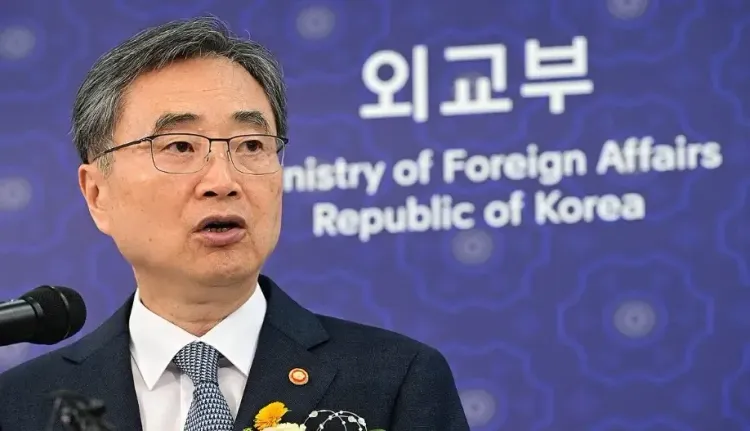
In the face of escalating threats from North Korea, South Korean Foreign Minister Cho Hyun emphasizes the dual approach of diplomacy and strengthened deterrence alongside the United States. This strategic alignment seeks peace on the Korean Peninsula while navigating a complex geopolitical landscape involving China and Russia.
Key Takeaways
Diplomacy and deterrence must go hand in hand in addressing North Korea's threats.
The ROK-US alliance is reaffirmed as an ironclad partnership.
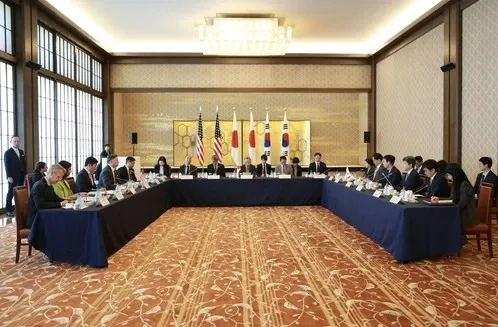
Trilateral cooperation with Japan is deemed critical for regional stability.
Strategic economic partnerships are set to expand, particularly in advanced technologies.
Maintaining peace on the Korean Peninsula is the foundation of the alliance.
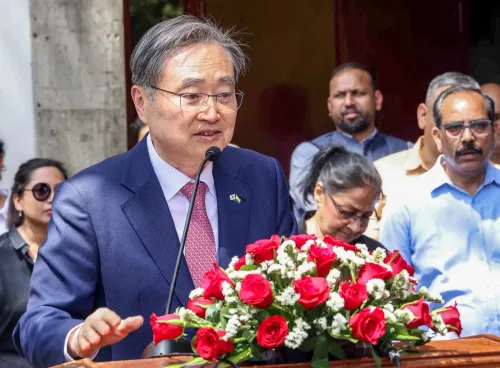
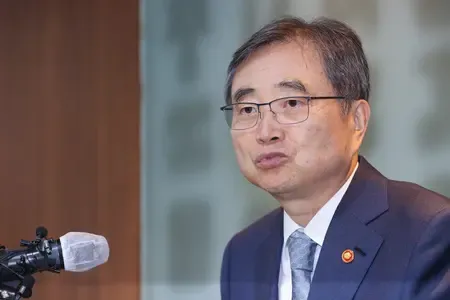
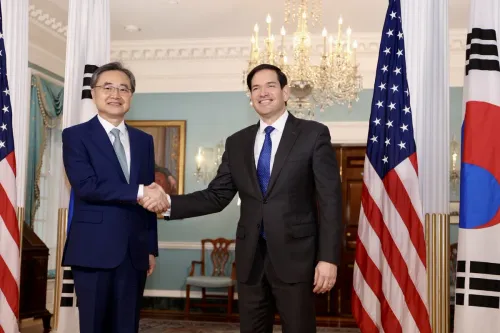
Washington, Dec 4 (NationPress) South Korean Foreign Minister Cho Hyun emphasized the necessity of engaging in diplomacy with North Korea alongside the collaborative efforts of Seoul and Washington to enhance deterrence against escalating threats from the unyielding regime.
During a virtual address at a forum based in Washington on Wednesday (US time), Cho discussed a recently issued joint fact sheet detailing security and trade agreements between South Korea and the United States, which he characterized as outlining a trajectory towards a “future-oriented, comprehensive strategic” alliance between the nations.
Published on November 13, the fact sheet outlines a range of the allies' deterrence initiatives, including President Donald Trump's endorsement of Seoul's endeavor to acquire nuclear-powered, conventionally-armed submarines and Seoul's pledge to augment defense spending to 3.5 percent of its gross domestic product.
“However, deterrence must be complemented by diplomacy,” he stated during the forum co-hosted by the Center for Strategic and International Studies and the Korea Foundation. “We must avert unintended conflict, de-escalate tensions, and revive dialogue with North Korea.
Both Seoul and Washington have shown their readiness to renew discussions with Pyongyang, although it is unclear whether the regime will respond favorably to continuous dialogue proposals, especially given its increasing dependence on Russia for essential supplies like food and fuel, according to Yonhap news agency.
The minister asserted that the fact sheet reaffirmed the “ironclad” nature of the bilateral alliance and aimed to reinforce peace while preparing for future challenges.
“At the core of this partnership is our mutual commitment to peace and stability,” he remarked. “Securing tranquility on the Korean Peninsula is, therefore, the bedrock of our collective effort.”
Highlighting a diplomatic approach founded on “pragmatism” advocated by South Korean President Lee Jae Myung, Cho underscored Seoul's “principled” response to the fluctuating geopolitical climate and emphasized the necessity of trilateral cooperation with Japan as “indispensable.”
“Beyond the Korean Peninsula, we must navigate a swiftly changing strategic landscape - including Russia's deepening connections with North Korea, China's increasing influence, and Japan's evolving strategic stance. All these elements shape the environment we must manage,” he stated.
“Korea aims to address these transformations with a principled outlook, mitigating strategic risks while fortifying cooperation channels in Northeast Asia.
He also pledged to continue enhancing collaboration with China and Japan, including through a trilateral framework, despite a recent escalation in tensions between Beijing and Tokyo over comments made by Japanese Prime Minister Sanae Takaichi regarding Taiwan.
Another crucial aspect of “alliance modernization” involves the strategic economic and technological partnership between the two nations, as highlighted by the diplomat, who referred to a recent bilateral trade and investment agreement.
“Korea and the US are on the brink of initiating a new era of industrial collaboration, enhancing US manufacturing while creating new opportunities for Korean firms,” he noted. “This agreement establishes a foundation for expanded cooperation in sectors such as shipbuilding, energy, biotechnology, artificial intelligence, and quantum technology, among others.”
Equally significant is the US's commitment to support Korea's ambitions to secure uranium enrichment and spent nuclear fuel reprocessing capabilities for peaceful applications, as well as Trump's backing for Seoul's initiative to construct nuclear-powered submarines, he remarked.
“These measures will significantly enhance our shared capabilities in next-generation energy, defense, and shipbuilding,” he asserted.
“For over seventy years, the ROK-US alliance has adapted to the currents of history. Our leaders must modernize the alliance in a forward-looking manner to meet the challenges of a rapidly evolving environment.”
Point of View
It's vital to recognize the significance of South Korea's diplomatic stance towards North Korea amidst rising tensions. The focus on a balanced approach that combines deterrence with diplomacy is essential for maintaining stability in the region. The evolving geopolitical landscape necessitates a proactive response that prioritizes peace and collaboration.
NationPress
21 Sept 2026
Frequently Asked Questions
What is the current stance of South Korea regarding North Korea?
South Korea emphasizes the importance of pursuing diplomacy with North Korea while enhancing deterrence measures in collaboration with the United States.
What recent developments have occurred in the South Korea-US alliance?
Recent agreements include increased defense spending by South Korea and support from the US for South Korea's acquisition of nuclear-powered submarines.
How does South Korea plan to address the challenges posed by North Korea?
South Korea aims to engage in diplomatic dialogue to de-escalate tensions and prevent inadvertent conflicts while maintaining a strong defense posture.