What Actions Are US Lawmakers Urging Rubio to Take on Human Rights Violations in Pakistan?
Synopsis
A powerful coalition of 42 US lawmakers is demanding urgent action from Secretary of State Marco Rubio regarding escalating human rights abuses in Pakistan. This call to action highlights the plight of individuals facing transnational repression and the urgent need for accountability from Pakistan's military leadership.
Key Takeaways
42 US lawmakers demand action against human rights abuses in Pakistan.
Visa bans and asset freezes are proposed measures for accountability.
US citizens face threats for advocating democracy in Pakistan.
Notable cases of repression highlight the urgent situation.
International advocacy for human rights is critical for stability.
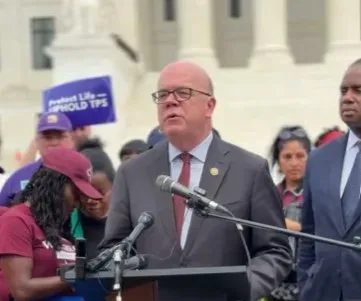
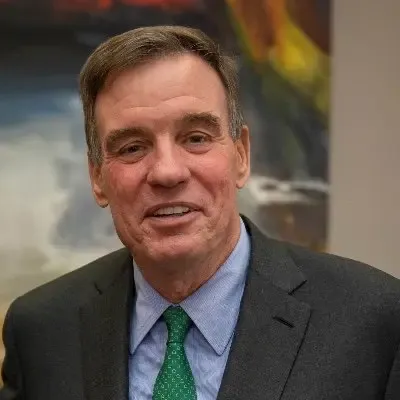
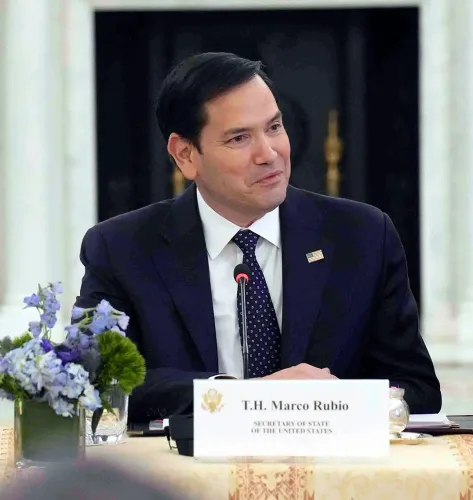
Washington, Dec 4 (NationPress) A coalition of 42 prominent US lawmakers, spearheaded by Indian American Congresswoman Pramila Jayapal and Congressman Greg Casar, has called upon Secretary of State Marco Rubio to take urgent measures against what they characterize as a deteriorating situation of transnational repression and systematic human rights abuses in Pakistan.
The lawmakers emphasized that Pakistan is undergoing a significant escalation in authoritarianism, where democratic institutions and fundamental freedoms are being systematically undermined. They stated that the United States possesses the responsibility and capability to hold the military leadership of Pakistan accountable.
In their letter dated December 3, they urged the Administration to swiftly apply measures like visa bans and asset freezes against officials credibly involved in systematic repression and undermining judicial independence.
The letter highlights that US citizens and residents who have criticized authoritarian practices in Pakistan face threats, intimidation, and harassment, often extending to their families back home. They mentioned that these coercive tactics include arbitrary detentions and violence against individuals from the diaspora and their relatives. Such actions violate the right to freedom of expression and set a perilous precedent for foreign interference on US soil.
The lawmakers asserted that the moment calls for concrete action from the administration, including accountability for Pakistan's military leaders and advocating for the release of political prisoners.
They cautioned that democratic institutions in Pakistan are under siege, with critics being increasingly targeted both domestically and internationally.
In their letter, they pressed for immediate targeted measures such as visa bans and asset freezes against those responsible for transnational repression and human rights violations in Pakistan.
The lawmakers cited previous instances of transnational repression in other nations, asserting the need for the same principled approach to be applied in this situation.
They referenced cases involving Pakistani Americans including investigative journalist Ahmed Noorani, whose brothers faced abduction and violence after he published articles critical of military corruption. His situation has been flagged by the Tom Lantos Human Rights Commission, the Committee to Protect Journalists, and Amnesty International.
Additionally, they brought attention to Pakistani American musician Salman Ahmad, who experienced direct military intimidation, including threats against his family in both the United States and Pakistan. His brother-in-law was abducted and held without charges until intervention by the State Department and the FBI.
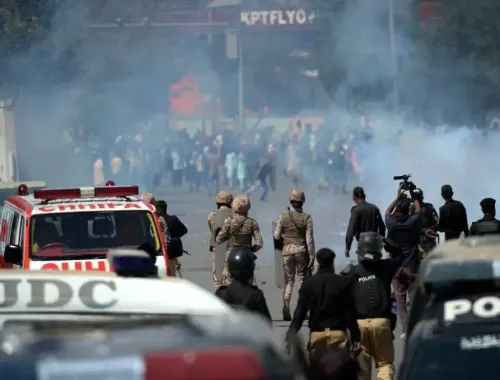
The lawmakers noted a sharp increase in repression within Pakistan, with opposition leaders detained without charges, journalists being abducted or forced into exile, and regular citizens arrested for social media activities. Marginalized groups such as women and ethnic communities, especially in Balochistan, face disproportionate targeting.
This situation reflects a calculated effort to suppress civil society and eliminate any challenges to military rule.
The lawmakers described Pakistan as grappling with a growing crisis of authoritarianism, asserting that the upcoming 2024 elections—condemned by civil society organizations and the US State Department for being marred by irregularities—have resulted in a compliant civilian government under military pressure.
They also criticized Pakistan's Supreme Court for operating under military influence, having authorized the trial of civilians in military courts, effectively voiding judicial independence.
They urged Rubio to consider measures like visa bans and asset freezes under the Global Magnitsky Act, particularly questioning the role of Chief of Army Staff Asim Munir, whom they identified as central to the ongoing crackdown.
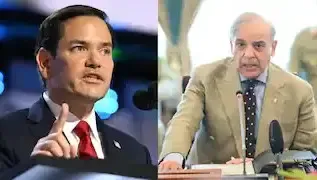
They inquired whether President Trump addressed human rights issues during discussions with Prime Minister Shehbaz Sharif and Munir in previous meetings.
Furthermore, the letter seeks clarity on the conditions that would initiate sanctions, the steps being taken to counter threats against US residents, and how US engagement with Pakistan's military can avoid appearing to endorse authoritarianism.
Such actions, alongside calls for the release of former Prime Minister Imran Khan and other political prisoners, would reinforce US commitment to human rights, safeguard American citizens from transnational repression, and foster regional stability.
Notable signatories include Ro Khanna, Raja Krishnamoorthi, Rashida Tlaib, Jamie Raskin, Yvette D. Clarke, Madeleine Dean, Lloyd Doggett, Jan Schakowsky, Eric Swalwell, Bennie G. Thompson, Judy Chu, Zoe Lofgren, Sarah McBride, Summer Lee, Ilhan Omar, and Maxine Waters.
Former Prime Minister Imran Khan has been imprisoned since 2023, with his supporters and global watchdogs labeling the charges as politically motivated.
According to UN experts and international rights organizations, concerns have been raised regarding the treatment of Baloch activists and the overall decline of civilian oversight in Pakistan.
Point of View
I believe it is crucial to support the call for accountability regarding human rights violations in Pakistan. The concerns raised by lawmakers reflect a broader commitment to uphold democratic values and protect individuals facing repression. Our nation must stand firmly in advocating for human rights both domestically and globally.
NationPress
20 Sept 2026
Frequently Asked Questions
What prompted the lawmakers' letter to Secretary of State Rubio?
The letter was prompted by escalating human rights violations and transnational repression in Pakistan, highlighting the need for US intervention.
What specific actions are being requested from the US government?
Lawmakers are urging the imposition of visa bans and asset freezes against officials involved in systematic repression in Pakistan.
How have US citizens been affected by the situation in Pakistan?
US citizens speaking out against abuses in Pakistan have faced threats, intimidation, and harassment, often affecting their families back home.
What cases were highlighted in the lawmakers' letter?
The letter cited cases of Pakistani Americans, including journalist Ahmed Noorani and musician Salman Ahmad, who have faced military intimidation.
What is the broader impact of these human rights concerns?
These concerns reflect a deterioration of democratic institutions in Pakistan and the urgent need for global advocacy for human rights.