South Korea's Strong Regret Over Japan PM's Shrine Offering
Synopsis
South Korea has expressed profound regret over Japanese PM Sanae Takaichi's ritual offering to the Yasukuni Shrine, a site associated with Japan's militaristic past. This incident, coupled with visits from lawmakers, raises questions about Japan's historical accountability and impacts regional relations.
Key Takeaways
South Korea feels profound regret over Japan's shrine offering.
The Yasukuni Shrine is controversial for honoring war criminals.
Japan's leaders' actions may strain diplomatic relations .
Historical accountability is a critical issue for regional stability .
This incident could impact future bilateral relations .
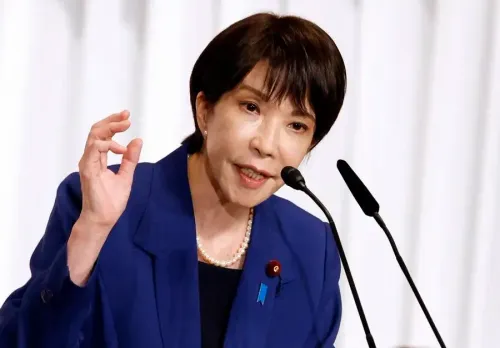
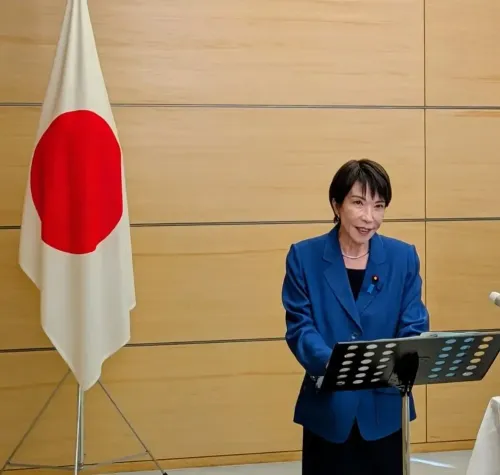
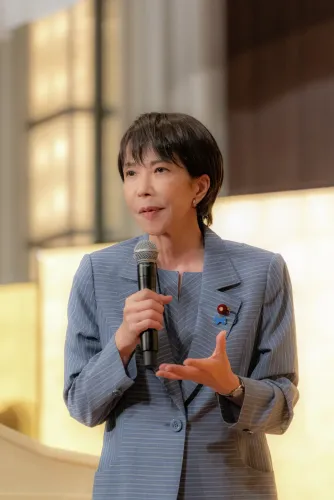
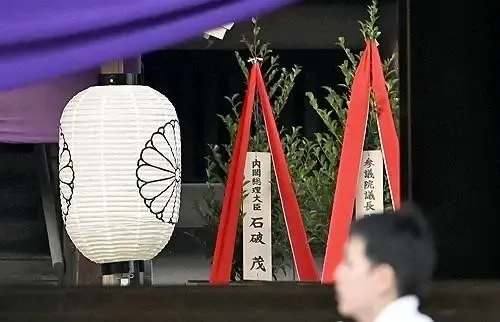
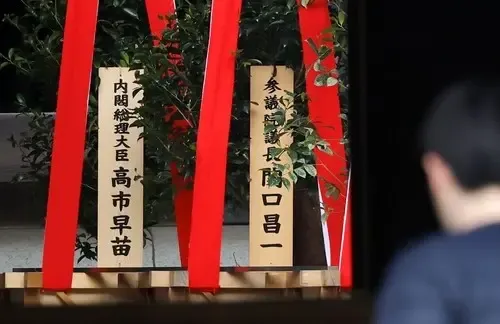
Seoul, April 21 (NationPress) South Korea has voiced profound regret on Tuesday following Japanese Prime Minister Sanae Takaichi's ritual offering to a war shrine regarded as a symbol of Japan's militaristic history, potentially serving as a form of whitewashing.
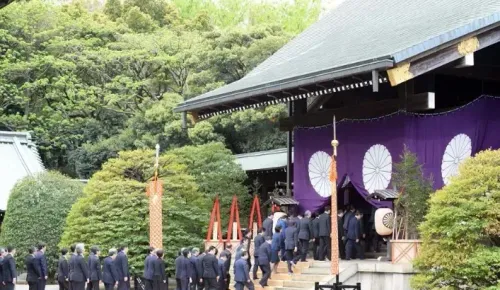
The offering was made to the Yasukuni Shrine, a site that honors Japanese war casualties, which includes 14 Class A war criminals judged by the Allies in international tribunals for their involvement in World War II, coinciding with the annual spring festival.
Key members of her Cabinet and various lawmakers either have visited or are scheduled to visit the shrine to pay their respects, as reported by Yonhap news agency, citing Japanese media.
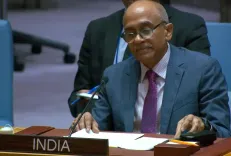
Park Il, a spokesperson for the foreign ministry, remarked, "We express deep disappointment and regret that responsible leaders in Japan have consistently made offerings to or visited the Yasukuni Shrine." He further urged the Japanese leadership to confront history directly and demonstrate through actions sincere reflection and true atonement for past issues. He reiterated that these actions would be crucial for fostering future-oriented bilateral relations built on mutual trust.
Such offerings or visits to the shrine have faced backlash from neighboring nations, particularly China, which perceives these acts as an effort to glorify Japan's militaristic legacy.
During World War II, Japan invaded China, and Korea suffered under Japanese colonial rule from 1910 until 1945.
This marks Takaichi's inaugural offering to the shrine since assuming office in October, a decision interpreted as a departure from her previous hardline stance. Previously, Takaichi had frequently visited the shrine in person to show her respects.
The last serving Japanese leader to visit the shrine was former Prime Minister Shinzo Abe, who did so in December 2013.
The Yasukuni Shrine commemorates approximately 2.46 million Japanese war dead, many of whom were involved in the Pacific War that commenced in 1941 following Japan's attack on Pearl Harbor.
The shrine's list includes General Hideki Tojo, who was executed for his significant role in the Pacific War.
Point of View
It is crucial to recognize the historical sensitivities that shape the relations between South Korea and Japan. The recent actions of Japanese leaders, particularly involving the Yasukuni Shrine, have been met with considerable discontent in South Korea, highlighting the ongoing complexities of historical grievances in diplomatic ties.
NationPress
19 Sept 2026
Frequently Asked Questions
What is the significance of the Yasukuni Shrine?
The Yasukuni Shrine is a controversial site in Japan that honors war dead, including individuals convicted of war crimes during World War II. It symbolizes Japan's militaristic past and has been criticized by neighboring countries.
Why did South Korea express regret over the offering?
South Korea expressed regret because the offering is seen as an act that could whitewash Japan's militaristic history and neglect the suffering caused during its colonial rule over Korea.
What was the reaction of Japan's government to South Korea's statements?
While the Japanese government often defends its leaders' visits or offerings to the shrine as expressions of respect for war dead, they typically do not publicly address the criticism from South Korea and other neighboring countries regarding historical accountability.
How does this incident affect South Korea-Japan relations?
This incident may strain relations further, as it highlights unresolved historical issues. South Korea insists that Japan must confront its past for a foundation of trust in future diplomatic interactions.
When was the last visit of a Japanese Prime Minister to the shrine?
The last serving Japanese Prime Minister to visit the Yasukuni Shrine was Shinzo Abe in December 2013.