South Korea, Ukraine agree to resolve North Korean PoW issue under int'l law
Synopsis
Two North Korean soldiers captured in Ukraine after being deployed to Russia's Kursk region reportedly want to come to South Korea — and for the first time, Seoul and Kyiv are formally aligned on resolving their fate under international law. Ukraine's foreign minister's first Seoul visit in a decade signals a deepening security axis aimed squarely at the Russia-North Korea military partnership.
Key Takeaways
South Korea and Ukraine agreed on 30 June 2025 to resolve the North Korean PoW issue in accordance with international law and humanitarian principles.
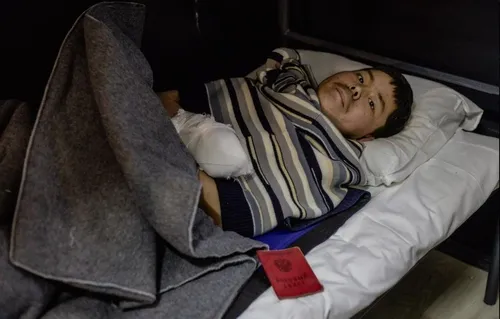
Two North Korean soldiers captured in early 2025 in Russia's Kursk region have reportedly expressed a desire to relocate to South Korea .
Seoul maintains that North Korean soldiers are constitutionally regarded as South Korean nationals and will accept any PoWs wishing to come South.
Ukraine has pledged not to forcibly repatriate the PoWs, though a final decision is pending as Kyiv weighs broader PoW-related considerations.
The visit by Foreign Minister Andrii Sybiha to Seoul was the first by a Ukrainian foreign minister since 2015 .
Talks also covered Ukraine's post-war reconstruction cooperation and bilateral economic ties.
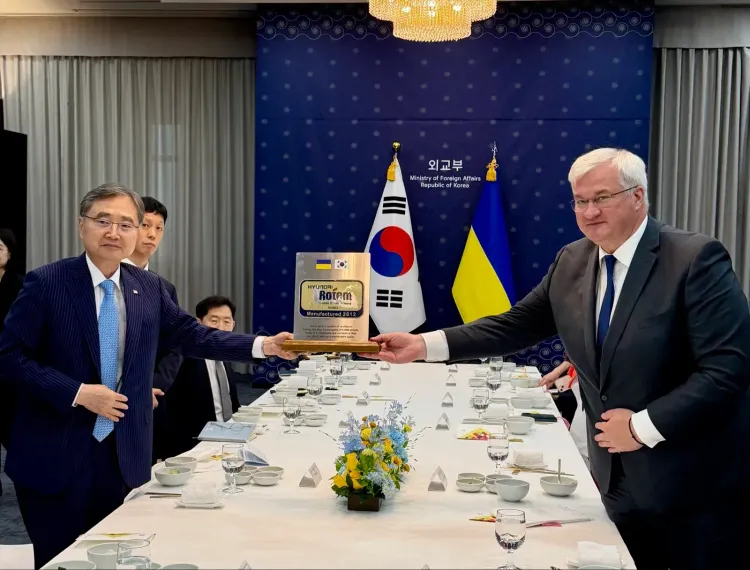
South Korea and Ukraine agreed on Tuesday, 30 June 2025 to pursue a resolution to the issue of North Korean Prisoners of War (PoWs) captured in Ukraine, in accordance with international law and humanitarian principles. The consensus was reached during a high-level bilateral meeting in Seoul, according to South Korea's foreign ministry.
Key Developments from the Seoul Meeting
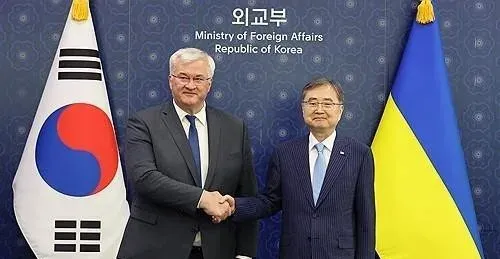
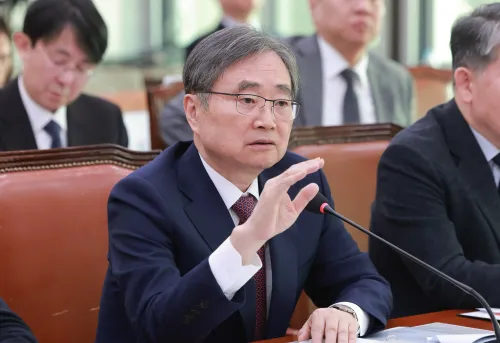
The agreement emerged from talks between South Korean Foreign Minister Cho Hyun and his Ukrainian counterpart, Foreign Minister Andrii Sybiha, held in Seoul earlier in the day. Two North Korean soldiers were captured by Ukrainian forces in early 2025 after being deployed to Russia's Kursk region in support of Moscow. The soldiers have reportedly expressed a desire to come to South Korea.
'The two ministers agreed to seek a resolution to the issue of North Korean prisoners of war in Ukraine in a manner consistent with international law and humanitarian principles, while respecting the free will of the individuals concerned,' the South Korean foreign ministry said in an official release.
What Both Governments Have Said
South Korean foreign ministry spokesperson Park Il confirmed that the two sides are engaged in 'constructive discussions' on the PoW issue, and stressed that Seoul would continue diplomatic efforts to advance a resolution. The Seoul government has maintained that North Korean soldiers are constitutionally regarded as South Korean nationals, and that it would accept any PoWs wishing to relocate to the South.
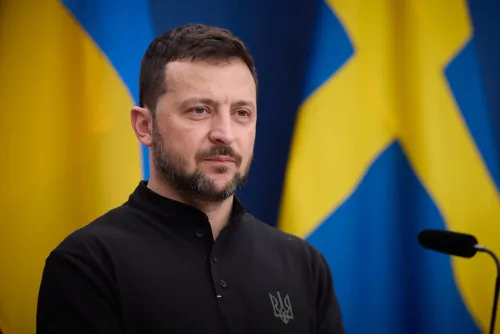
On his part, Sybiha posted on social platform X that he and Cho 'discussed in detail the issue of North Korean POWs, and we know how to proceed in accordance with international humanitarian law.' Ukraine has maintained it will not forcibly repatriate North Korean PoWs against their will, though a final decision remains pending as Kyiv weighs broader considerations on PoW treatment from other nations, according to sources.
Sybiha's DMZ Visit and Wider Security Message
During his visit to South Korea, Sybiha travelled to the Demilitarised Zone (DMZ) — the heavily fortified border separating the two Koreas — where he underscored the need for closer cooperation between Seoul and Kyiv in response to threats posed by North Korea and Russia.
'Behind this line lies a totalitarian regime that actively helps Russia destroy peaceful Ukrainian cities. Due to the dangerous actions of Pyongyang and Moscow, this historic line is now physically linked to our own front lines in Ukraine,' Sybiha said. He further argued that through its involvement of the Democratic People's Republic of Korea (DPRK) in its war against Ukraine, Moscow is 'exporting instability to the Korean Peninsula,' and stated that Ukraine is ready to offer South Korea a 'mutually beneficial security partnership.'
Historic Significance of the Visit
The visit marks the first trip by a Ukrainian foreign minister to South Korea since 2015, though Cho and Sybiha had previously met in France in March on the sidelines of a Group of Seven (G7) foreign ministers' meeting. Beyond the PoW issue, Tuesday's talks also covered bilateral cooperation on Ukraine's post-war reconstruction, as well as economic and business ties, the ministry said.
The Seoul-Kyiv engagement signals a deepening strategic alignment between the two nations as Russia's military cooperation with North Korea continues to expand — a development both governments have flagged as a threat with global consequences.
Point of View
Two governments are on record agreeing to apply international humanitarian law to soldiers deployed by Pyongyang on behalf of Moscow — a framing that implicitly holds North Korea accountable as a belligerent party. Seoul's constitutional position that DPRK soldiers are South Korean nationals adds a legal dimension that Kyiv cannot easily ignore, especially as it balances its own PoW reciprocity obligations. The real question is whether this 'constructive discussion' produces a binding outcome or remains a diplomatic holding pattern while the soldiers' fate is used as leverage in the broader Russia-Ukraine-North Korea triangle. The DMZ visit by Ukraine's foreign minister was not incidental — it was a visual argument that the Korean Peninsula and the Ukrainian front line are now part of the same security equation.
NationPress
29 Sept 2026
Frequently Asked Questions
Why are North Korean soldiers being held as PoWs in Ukraine?
Two North Korean soldiers were captured by Ukrainian forces in early 2025 after being deployed to Russia's Kursk region in support of Moscow. Their capture marked the first confirmed instance of North Korean military personnel being taken prisoner in the Ukraine conflict.
What has South Korea said about the North Korean PoWs?
South Korea's government maintains that North Korean soldiers are constitutionally regarded as South Korean nationals and has stated it will accept any PoWs who wish to come to the South. Foreign ministry spokesperson Park Il confirmed Seoul is engaged in 'constructive discussions' with Ukraine on the matter.
Will Ukraine forcibly send the PoWs back to North Korea?
Ukraine has maintained it will not forcibly repatriate North Korean PoWs against their will. However, a final decision has not yet been made, as Kyiv is also weighing broader considerations regarding the treatment of PoWs from other countries, according to sources.
What did Ukrainian Foreign Minister Sybiha say during his Seoul visit?
Sybiha posted on social platform X that he and South Korean Foreign Minister Cho Hyun 'discussed in detail the issue of North Korean POWs, and we know how to proceed in accordance with international humanitarian law.' He also visited the DMZ and warned that Moscow is 'exporting instability to the Korean Peninsula' through its military cooperation with North Korea.
How significant is this South Korea-Ukraine diplomatic meeting?
The meeting on 30 June 2025 marked the first visit by a Ukrainian foreign minister to South Korea since 2015. Beyond the PoW issue, discussions covered post-war reconstruction cooperation and economic ties, reflecting a broader deepening of the bilateral relationship amid shared concerns over Russia-North Korea military collaboration.