South Korea and Ukraine Collaborate on North Korean POWs Issue Following Humanitarian Guidelines
Synopsis
In a significant move, South Korea and Ukraine's foreign ministers have committed to addressing the plight of two North Korean soldiers captured during the Russia-Ukraine conflict, ensuring adherence to international law and humanitarian standards. This collaboration emphasizes the importance of humane treatment in wartime.
Key Takeaways
Collaboration: South Korea and Ukraine are working together on the POW issue.
Humanitarian Approach: The focus is on adhering to international law and humanitarian principles.
Captured Soldiers: The two North Korean soldiers were captured in January 2022.
Desire for Relocation: The POWs reportedly prefer to come to South Korea.
Diplomatic Discussions: The ministers held talks during the G7 foreign ministers' meeting.
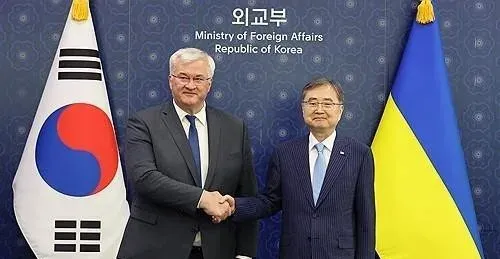
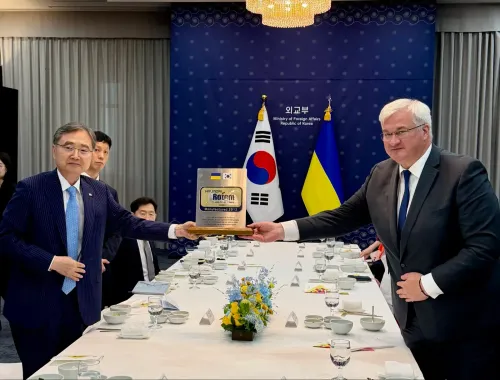
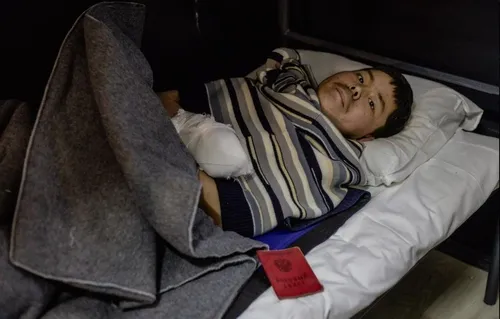
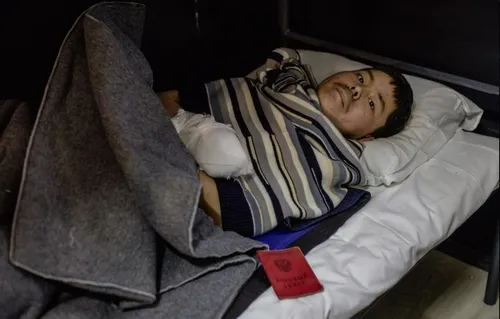
Seoul, March 28 (NationPress) The foreign ministers of South Korea and Ukraine have reached an agreement to work towards addressing the situation of two North Korean soldiers who were captured during the conflict between Russia and Ukraine, in line with international law and humanitarian principles, as stated by Seoul's foreign ministry on Saturday.
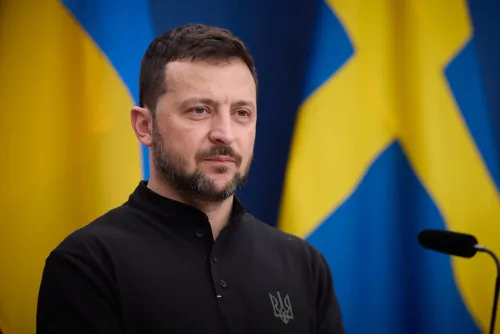
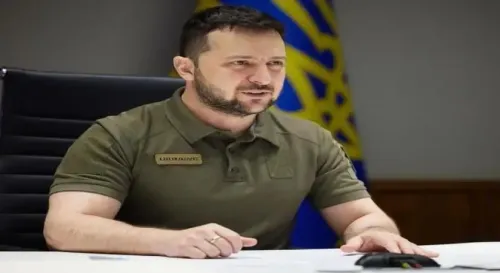
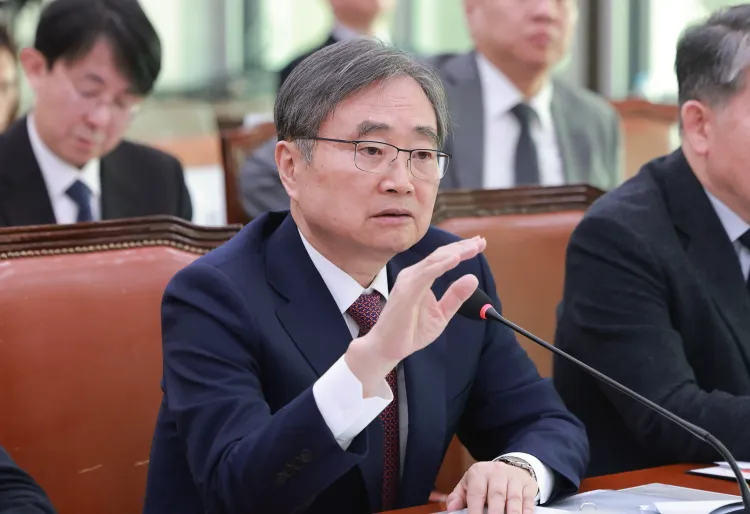
During their discussions in France on Friday (local time), Foreign Minister Cho Hyun and his Ukrainian counterpart Andrii Sybiha engaged in talks regarding the North Korean prisoners of war (POWs) and other relevant issues on the sidelines of the Group of Seven (G7) foreign ministers' meeting, according to the ministry.
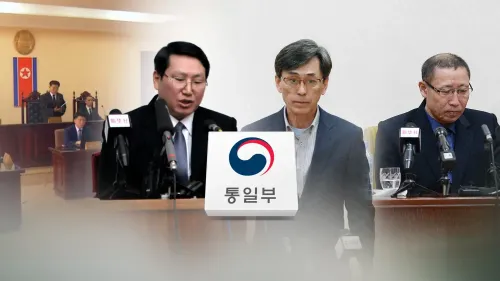
Reports from Yonhap news agency indicate that two North Korean soldiers were taken into custody by Ukrainian forces in January last year while they were fighting alongside Russian troops.
The South Korean government has expressed its readiness to accept these individuals following discussions with Ukraine, especially as the POWs have shown a preference to relocate to South Korea rather than return to their home country.
On March 6, Cho informed a parliamentary session in Seoul that Ukraine has guaranteed that the two North Korean soldiers will not be sent back to Russia amid fears that they could be forced to return to North Korea against their wishes.
Earlier this month, opposition lawmaker Yu Yong-weon from the People Power Party mentioned after his visit to Ukraine that Russia had listed the two soldiers among those it demanded to be released as part of a POW exchange.
Additionally, Cho participated in the G7 foreign ministers' meeting held Thursday and Friday near Paris, where discussions included maritime security and other pressing global matters.
He also conducted bilateral discussions with counterparts from eight nations, including the United States and France.
This year's G7 foreign ministers' meeting saw participation from the foreign ministers of South Korea, Brazil, India, Saudi Arabia, and Ukraine, alongside the member states of the G7, which include the US, UK, Germany, France, Italy, Japan, and Canada.
Point of View
The agreement between South Korea and Ukraine represents a crucial step in upholding humanitarian principles in times of conflict, highlighting the importance of international cooperation in addressing complex geopolitical issues.
NationPress
20 Sept 2026
Frequently Asked Questions
What is the agreement between South Korea and Ukraine about?
The foreign ministers of South Korea and Ukraine have agreed to work together to resolve the situation of two North Korean soldiers captured during the Russia-Ukraine war, ensuring adherence to international law and humanitarian principles.
Why is the situation of the North Korean soldiers significant?
The situation is significant as it involves complex geopolitical dynamics and raises concerns about the potential forced repatriation of the soldiers to North Korea, highlighting the need for humane treatment in conflict situations.
What assurances has Ukraine provided regarding the North Korean soldiers?
Ukraine has assured South Korea that the two North Korean soldiers will not be repatriated to Russia, alleviating fears that they could be sent back to North Korea against their will.