North Korea POW repatriation: Seoul, Kyiv had no timeline deal, says diplomat
Synopsis
A South Korean diplomat has confirmed Seoul and Kyiv agreed to keep North Korean POW repatriation talks secret — but had nothing in writing. When Zelensky broke ranks at the UN in September, it triggered a full diplomatic falling-out: a recalled ambassador, a disputed non-disclosure pact, and a Ukrainian foreign minister who says the matter is closed. The row exposes the fragility of wartime informal diplomacy.
Key Takeaways
South Korea and Ukraine had a mutual understanding to keep North Korean POW repatriation discussions confidential, but no written or timed disclosure agreement.
Ukrainian President Volodymyr Zelensky publicly revealed the repatriation during his address to the UN General Assembly on 23 September , catching Seoul's embassy off guard.
South Korea accuses Ukraine of breaching a non-disclosure agreement; Ukraine denies any such pact existed.
Seoul recalled its ambassador to Ukraine, Park Ki-chang , in response to the diplomatic fallout.
Ukrainian Foreign Minister Andrii Sybiha has declared the matter closed and rejected South Korea's demand for an apology.
Chargé d'affaires Yoon Ji-wan said Ukraine's silence on South Korea's claims 'led us to believe they cannot deny the existence of the non-disclosure agreement.'
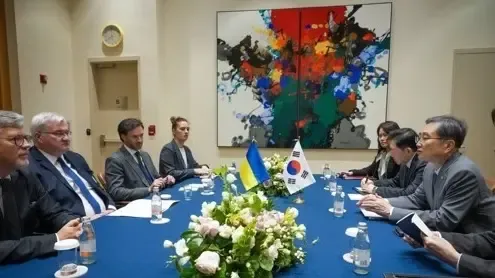
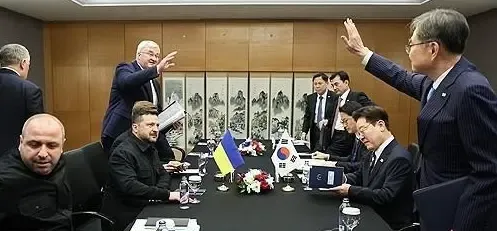
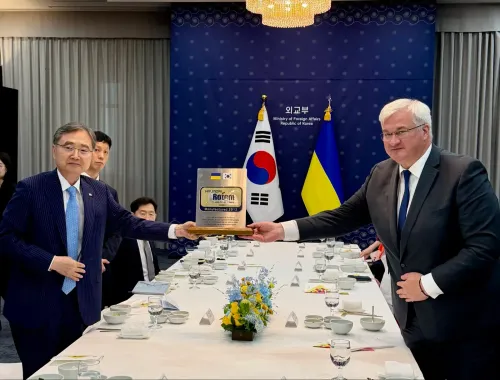
South Korea and Ukraine had mutually agreed to maintain confidentiality over the repatriation of captured North Korean soldiers for as long as possible, but had no formal timeline for disclosure, a senior South Korean diplomat revealed on Sunday, 18 October 2026. The disclosure has deepened a diplomatic rift between Seoul and Kyiv that erupted after Ukrainian President Volodymyr Zelensky publicly announced the repatriation at the UN General Assembly on 23 September.
What the South Korean Diplomat Said
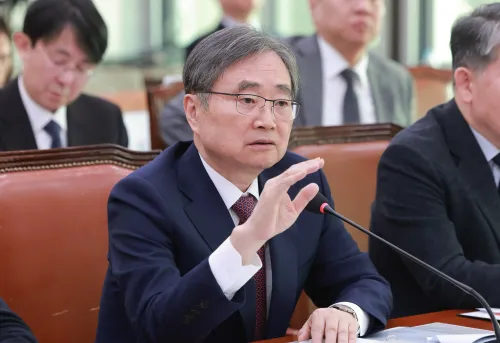
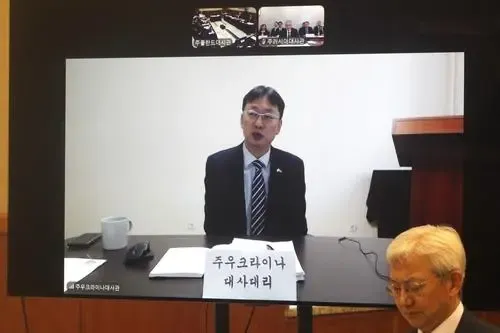
Yoon Ji-wan, chargé d'affaires at the South Korean Embassy in Ukraine, made the remarks during a parliamentary audit by the subcommittee on foreign affairs, conducted at the South Korean Embassy in Poland. Yoon participated via video link from Kyiv.
'We had no discussions on a timeline for disclosure, but we did share the idea that confidentiality should be maintained for as long as possible,' Yoon said. He confirmed that the Seoul embassy in Ukraine was caught off guard when Zelensky made the revelation public during his UN address.
How the Dispute Unfolded
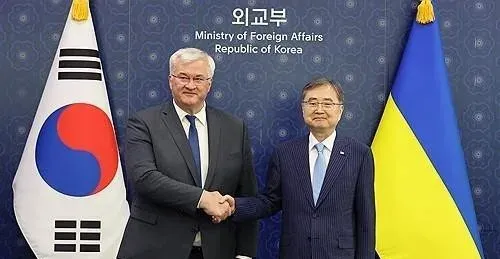
South Korea has accused Ukraine of breaching a non-disclosure agreement over the prisoner-of-war (POW) repatriation, while Kyiv has contested that no such pact existed. Ukrainian Foreign Minister Andrii Sybiha recently claimed in a media interview that he considered the matter closed, dismissing Seoul's demand for a formal apology.
Yoon noted that even within Ukraine, there had been internal criticism over the lack of coordination and the 'spontaneous breach of confidentiality.' 'The Ukrainian side has not refuted our claims further. This has led us to believe that they cannot deny the existence of the non-disclosure agreement,' he said.
The Problem With an Unwritten Agreement
When lawmakers questioned whether the absence of a written agreement had caused the friction, Yoon acknowledged the challenge. 'Formalizing a diplomatic agreement in writing would amount to a treaty,' he said, adding that it was difficult to publicly disclose specific proof of diplomatic discussions. Critics argue the episode exposes a structural vulnerability in informal diplomatic compacts — particularly in sensitive wartime contexts where political pressures can override gentlemen's agreements.
Diplomatic Fallout and Ambassador Recall
The bilateral relationship between South Korea and Ukraine has turned noticeably frosty since the revelation. Seoul recalled its ambassador to Ukraine, Park Ki-chang, in a clear signal of displeasure. Yoon is currently representing the embassy in an acting capacity, reflecting how seriously Seoul is treating the breach.
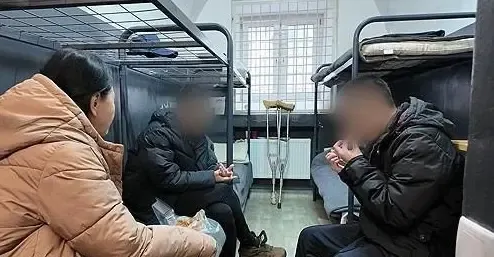
Notably, this episode comes at a sensitive moment in the wider Ukraine-Russia war, during which North Korea has reportedly deployed troops in support of Russia — making the capture and repatriation of North Korean POWs a matter of significant geopolitical sensitivity for all parties involved.
What Comes Next
Yoon struck a conciliatory note, describing the POW repatriation as 'a major achievement for both nations' and emphasising that 'there is a mutual understanding that bilateral relations should be built on stability and trust, and that this issue must be resolved wisely.' Whether Seoul reinstates its ambassador and whether Ukraine offers any form of acknowledgement over the disclosure will be closely watched in the weeks ahead.
Point of View
And when political incentives diverge, they collapse. Seoul's insistence on treating this as a treaty-level breach may be diplomatically satisfying at home, but it risks prolonging friction with a partner whose battlefield intelligence on North Korean troop deployments Seoul arguably needs more than Ukraine needs Seoul's goodwill.
NationPress
18 Oct 2026
Frequently Asked Questions
Why did South Korea and Ukraine fall out over North Korean POWs?
The dispute arose after Ukrainian President Volodymyr Zelensky publicly revealed the repatriation of captured North Korean soldiers at the UN General Assembly on 23 September, without prior notice to Seoul. South Korea accuses Ukraine of breaching a mutual confidentiality understanding, while Ukraine denies any formal non-disclosure agreement existed.
What did South Korean diplomat Yoon Ji-wan say about the disclosure agreement?
Yoon Ji-wan, chargé d'affaires at South Korea's Embassy in Ukraine, said both sides had agreed that confidentiality 'should be maintained for as long as possible,' but that there was no agreed timeline for disclosure. He added that Ukraine's failure to deny Seoul's claims effectively acknowledged the existence of the understanding.
Has South Korea taken any formal diplomatic action over the incident?
Yes. South Korea recalled its ambassador to Ukraine, Park Ki-chang, as a signal of its displeasure over the public disclosure. Yoon Ji-wan is currently representing the embassy in an acting capacity from Kyiv.
What has Ukraine said about the non-disclosure agreement?
Ukraine has denied that any formal non-disclosure agreement existed. Ukrainian Foreign Minister Andrii Sybiha said in a recent media interview that he considered the matter closed and declined to offer the apology Seoul had demanded.
Why does the North Korean POW repatriation matter geopolitically?
North Korea has reportedly deployed troops in support of Russia in the ongoing Ukraine war, making the capture and repatriation of North Korean soldiers a significant intelligence and diplomatic issue for South Korea, Ukraine, and their respective allies. Publicly revealing the repatriation has implications for the wider conflict dynamics on the Korean Peninsula and in Europe.