South Korea demands Ukraine apology over North Korea POW disclosure
Synopsis
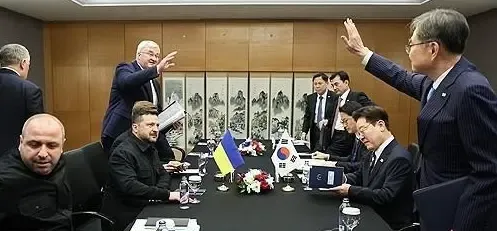
South Korea is holding firm on its demand for a formal apology from Ukraine over the disclosure of North Korean POW transfers — even after Kyiv declared the matter 'resolved.' With Seoul's ambassador still recalled and the two sides offering contradictory accounts of whether a nondisclosure agreement existed, this is a live diplomatic fault line between two countries on the same side of the Russia-Ukraine war.
Key Takeaways
South Korea confirmed on 13 October 2026 it is still demanding a formal apology from Ukraine over the disclosure of North Korean POW transfers.
Ukrainian Foreign Minister Andrii Sybiha declared the dispute 'resolved,' saying Kyiv had fulfilled all its obligations — a position Seoul has rejected.
The row began after President Zelenskyy disclosed the transfer of two North Korean soldiers at the UN General Assembly last month.
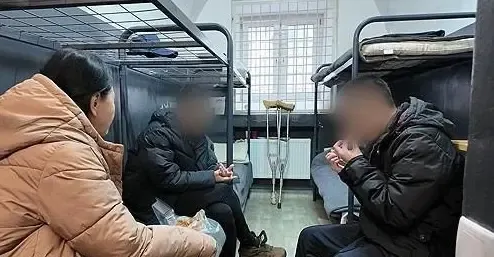
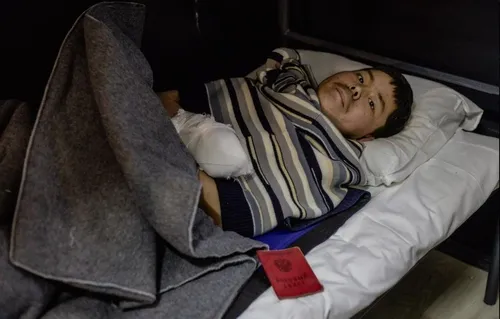
The soldiers were captured in January 2025 fighting for Russia and arrived in South Korea in mid- September .
Seoul says a nondisclosure agreement was in place at Ukraine's request; Kyiv denies any such agreement existed.
South Korea has recalled its ambassador to Ukraine in protest and says consultations are ongoing.
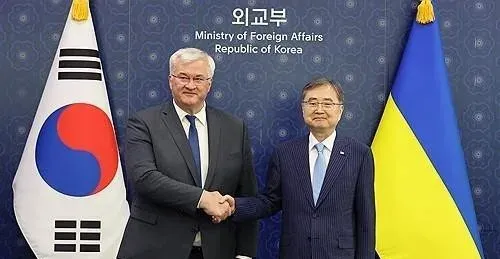
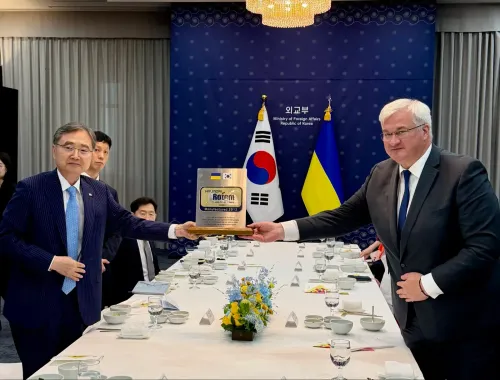
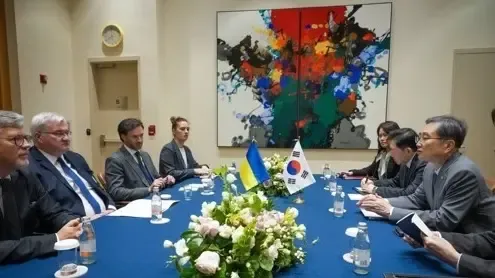
South Korea is pressing on with its demand for a formal apology from Ukraine over Kyiv's disclosure of the transfer of North Korean prisoners of war (POWs) to Seoul, even as both sides signal a desire to resolve the diplomatic rift through ongoing consultations, the South Korean foreign ministry said on Tuesday, 13 October 2026.
Seoul's Position
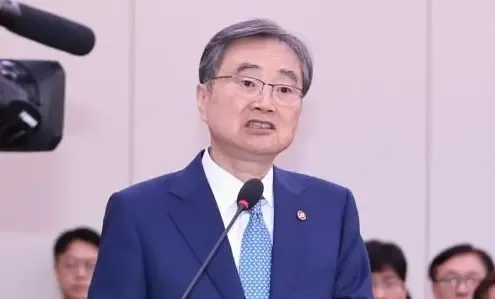
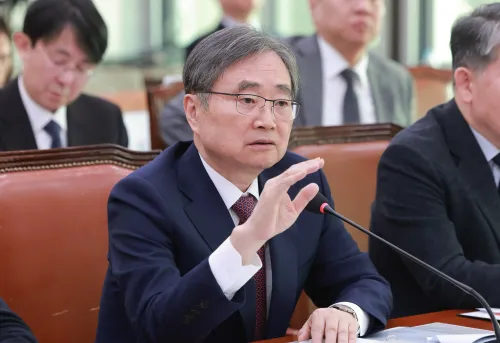
Foreign ministry spokesperson Park Doo-soon told reporters that communication with the Ukrainian side was continuing. 'The government hopes that all pending issues between the two countries will be resolved amicably,' Park said. 'To that end, we will continue consultations with the Ukrainian side and are currently maintaining communication.'
When directly asked whether Seoul's demand for an apology remained in place, a separate foreign ministry official gave an unambiguous 'Yes,' adding that the two countries were still engaged in talks to find an amicable solution.
Kyiv Says the Matter Is 'Resolved'
The South Korean statement came a day after Ukrainian Foreign Minister Andrii Sybiha declared the dispute settled in an interview. 'Everything stemmed from different interpretations of the confidentiality requirements at various stages of the transfer of the prisoners of war. Ukraine fulfilled all its obligations,' Sybiha was quoted as saying. Kyiv's position — that it met all its obligations — stands in direct contrast to Seoul's insistence on a formal apology, underscoring the gap that remains between the two governments.
Background: How the Dispute Began
The diplomatic row erupted after Ukrainian President Volodymyr Zelenskyy disclosed the transfer of two North Korean soldiers in an address to the UN General Assembly in New York last month. The soldiers had been captured in January 2025 while fighting alongside Russian forces and reportedly arrived in South Korea in mid-September.
Seoul says a nondisclosure agreement was reached with Kyiv — at Ukraine's request — to protect the soldiers and their families, who remain in North Korea. South Korea has accused Zelenskyy of breaching that agreement; Kyiv has denied any such agreement existed. In protest, Seoul recalled its ambassador to Ukraine.
What Comes Next
'Both sides are communicating to manage and resolve pending issues, and we are consulting closely with our ambassador, who has been recalled, throughout this process,' spokesperson Park said. 'We hope the Ukrainian side will respond positively to these diplomatic efforts.'
The standoff is notable given that South Korea has been among the more consistent supporters of Ukraine's defence posture against Russia. With Seoul maintaining its ambassador's recall and insisting on a public apology, the path to full normalisation remains uncertain.
Point of View
Not a clerical matter. For a country that has carefully avoided antagonising Russia while supporting Ukraine, this row comes at a cost: it strains a relationship South Korea needs to manage the North Korean military cooperation problem that sparked the dispute in the first place.
NationPress
13 Oct 2026
Frequently Asked Questions
Why is South Korea demanding an apology from Ukraine?
South Korea says Ukraine violated a nondisclosure agreement by publicly disclosing the transfer of two captured North Korean soldiers to Seoul. President Zelenskyy revealed the transfer in a UN General Assembly address last month, which Seoul says was a breach of a confidentiality arrangement made at Ukraine's request to protect the soldiers' families in North Korea.
What is Ukraine's position on the diplomatic dispute?
Ukrainian Foreign Minister Andrii Sybiha said on Monday the matter had been 'resolved,' stating that 'Ukraine fulfilled all its obligations.' Kyiv denies that any nondisclosure agreement existed, framing the row as a misunderstanding over different interpretations of confidentiality requirements.
Who are the North Korean soldiers at the centre of the dispute?
The two soldiers were captured in January 2025 while fighting alongside Russian forces in Ukraine. They reportedly arrived in South Korea in mid-September, making them among the first confirmed North Korean combatants to be transferred to Seoul.
What steps has South Korea taken in response?
Seoul has recalled its ambassador to Ukraine in protest and is publicly maintaining its demand for a formal apology. The foreign ministry says consultations with Kyiv are ongoing, and the recalled ambassador remains in close contact throughout the process.
What are the broader implications of the South Korea-Ukraine dispute?
The row is diplomatically significant because South Korea has been a key supporter of Ukraine's defence posture against Russia. A prolonged standoff could complicate intelligence-sharing and defence cooperation between the two countries, precisely at a time when North Korea's military involvement in the Russia-Ukraine conflict is under intense international scrutiny.