South Korea National Assembly audit 2026: POW row, court clash dominate
Synopsis
South Korea's parliamentary audit kicked off on 6 October with two flashpoints threatening to dominate all proceedings: Supreme Court Chief Justice Cho Hee-dae's defiant refusal to nominate a new justice — invoking separation of powers against President Lee Jae Myung's office — and a rare public spat with Ukraine over its disclosure of North Korean POW transfers to Seoul. Both episodes expose fault lines in South Korea's domestic politics and its foreign-policy balancing act simultaneously.
Key Takeaways
South Korea's National Assembly opened its annual government audit on 6 October 2026 , running through 27 October .
Supreme Court Chief Justice Cho Hee-dae refused to recommend a new justice nominee to President Lee Jae Myung's office, citing a lack of constitutional grounds.
Cho also declined to take an oath as a witness during the audit, invoking the separation of powers principle.
A diplomatic row with Ukraine erupted after President Zelenskyy publicly disclosed the transfer of two North Korean POWs to Seoul — a move South Korea says was not agreed upon.
Foreign Minister Cho Hyun said Ukraine's apology 'fell somewhat short of what we had expected.' North Korea -planted landmines in the DMZ recently injured three South Korean soldiers , adding to inter-Korean border tensions on the audit agenda.
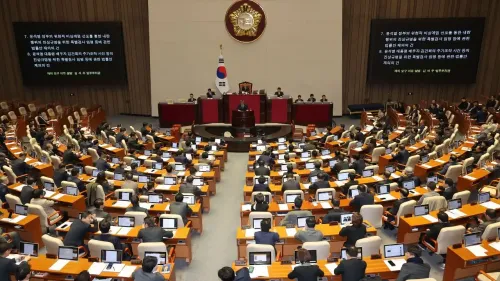
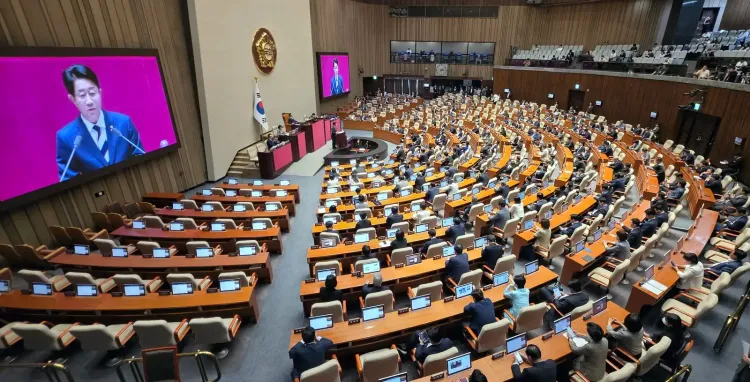
South Korea's National Assembly launched its annual audit of government agencies on Tuesday, 6 October 2026, with rival parties locked in sharp disagreements over Supreme Court Chief Justice Cho Hee-dae's refusal to recommend a new justice nominee and a diplomatic row with Ukraine over the transfer of two North Korean prisoners of war (POWs) to Seoul. Eight of the Assembly's 17 standing committees opened their sessions at 10 am local time, with proceedings scheduled to continue through 27 October.
The Supreme Court Standoff
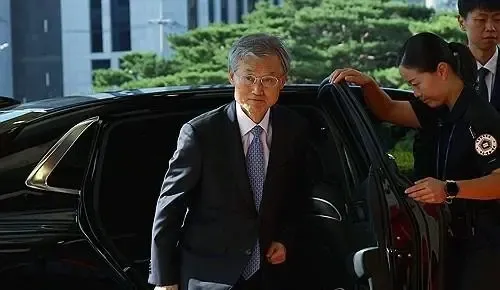
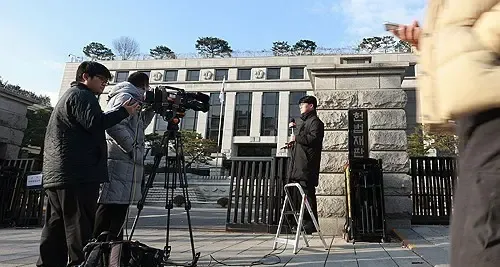
The audit's legislation and judiciary committee session quickly became a flashpoint over Chief Justice Cho Hee-dae's refusal to recommend a fresh candidate for court justice to the presidential office. The dispute traces back to August, when the presidential office asked Cho to put forward a new candidate after objecting to his earlier written recommendation of two Supreme Court justice nominees to President Lee Jae Myung. Cho rejected the request, stating there was no constitutional basis for him to do so.
Under South Korea's Constitution, Supreme Court justices are appointed by the president on the recommendation of the chief justice, subject to the National Assembly's consent. Cho also declined to take an oath as a witness during the audit, invoking the constitutional principle of separation of powers among the legislative, executive, and judicial branches.
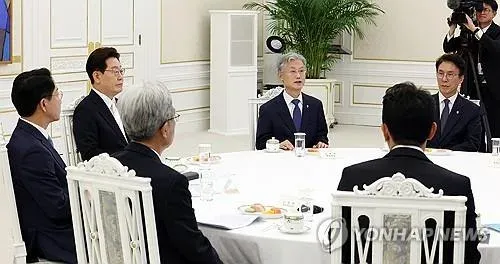
The rival parties clashed from the outset over a procedural question: whether Cho should be permitted to leave after delivering his opening remarks. The ruling Democratic Party demanded he remain and answer lawmakers' questions directly. The main opposition People Power Party (PPP) argued Cho should be allowed to depart, as chief justices have customarily done following opening remarks, with the approval of the parliamentary judiciary committee chair.
Ukraine and the North Korean POW Disclosure
The foreign affairs and unification committee session centred on a fresh diplomatic strain with Ukraine over its public disclosure of the transfer of two North Korean POWs to Seoul. Ukrainian President Volodymyr Zelenskyy had publicly revealed the transfer last month — a move Seoul said was made without its agreement. South Korea has since accused Ukraine of violating a bilateral understanding to keep the transfer confidential; Ukraine has denied that any such agreement existed.
Foreign Minister Cho Hyun told the committee that South Korea had received a message from Ukraine that contained what he described as an apology, but added that it 'fell somewhat short of what we had expected.' The episode has injected rare tension into a relationship that Seoul has worked to cultivate amid the broader Russia-Ukraine conflict.
DMZ Landmine Blasts Under Scrutiny
Lawmakers also examined recent explosions of North Korea-planted landmines inside the Demilitarised Zone (DMZ), which injured three South Korean soldiers. The incident has sharpened concerns about inter-Korean border security at a time when military tensions on the peninsula remain elevated.
What to Watch
The audit is scheduled to run through 27 October, with the remaining nine standing committees yet to open. The standoff over the Supreme Court nomination and the Ukraine-POW disclosure are likely to remain live flashpoints throughout the proceedings, as both issues touch on the balance of power between Seoul's executive and judiciary and South Korea's diplomatic posture in an increasingly complex geopolitical environment.
Point of View
And a diplomatic embarrassment from an ally — Ukraine — that Seoul has been quietly supporting. The Supreme Court nomination standoff is particularly significant; it tests whether presidential influence over judicial appointments can be exercised informally when formal constitutional channels are closed. On the Ukraine-POW disclosure, the damage is less about the transfer itself and more about the erosion of trust in back-channel diplomacy — a tool Seoul relies on heavily in its North Korea policy. Neither issue will be resolved in a committee room, but the audit spotlight will force uncomfortable answers.
NationPress
6 Oct 2026
Frequently Asked Questions
Why did South Korea's National Assembly launch its annual audit in October 2026?
The National Assembly holds a mandatory annual audit of government agencies each autumn. The 2026 audit began on 6 October and is scheduled to run through 27 October, with all 17 standing committees examining their respective government portfolios.
Why did Supreme Court Chief Justice Cho Hee-dae refuse to recommend a new justice nominee?
Chief Justice Cho Hee-dae rejected the presidential office's request to recommend a new candidate, saying there was no constitutional basis to do so. The dispute began in August when the presidential office objected to Cho's earlier recommendation of two nominees to President Lee Jae Myung.
What is the diplomatic row between South Korea and Ukraine over North Korean POWs?
Ukrainian President Volodymyr Zelenskyy publicly disclosed last month that two North Korean prisoners of war had been transferred to Seoul. South Korea said the disclosure violated a bilateral agreement to keep the transfer secret; Ukraine has denied that any such agreement existed. Foreign Minister Cho Hyun said Ukraine's subsequent apology fell short of South Korean expectations.
What happened at the DMZ that came up during the audit?
North Korea-planted landmines detonated inside the Demilitarised Zone, injuring three South Korean soldiers. The incident came under scrutiny during the audit sessions, raising fresh concerns about border security on the Korean peninsula.
How are South Korea's ruling and opposition parties split on the Supreme Court hearing?
The ruling Democratic Party demanded that Chief Justice Cho Hee-dae remain at the audit session to answer lawmakers' questions directly. The opposition People Power Party argued Cho should be allowed to leave after his opening remarks, in line with the customary practice for chief justices at such hearings.