South Korea election reforms: Lee Jae Myung acts on ballot shortage crisis
Synopsis
South Korea's new president convened all four branches of government after ballot paper shortages disrupted polling at more than 50 stations nationwide on 3 June. Lee Jae Myung's call for sweeping reforms and strict legal accountability signals this is not being treated as an administrative glitch — it is a sovereignty issue, and the political stakes for his young presidency are high.
Key Takeaways
President Lee Jae Myung pledged sweeping election administration reforms on 8 June following ballot shortages during the 3 June local elections.
More than 50 polling stations nationwide — including over a dozen in Seoul — reportedly experienced ballot paper shortages.
Some voters reportedly left without casting their ballots due to the shortages.
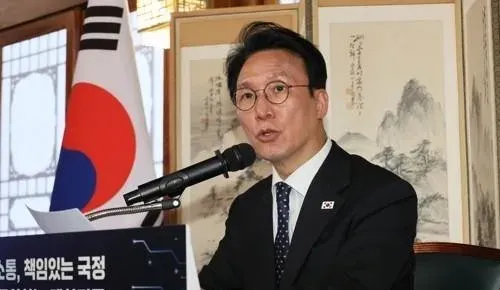
A high-level meeting included Prime Minister Kim Min-seok , National Assembly Speaker Cho Jeong-sik , Supreme Court Chief Justice Cho Hee-dae , and Constitutional Court President Kim Sang-hwan .
Officials agreed that those responsible must face administrative and legal accountability following a thorough investigation.
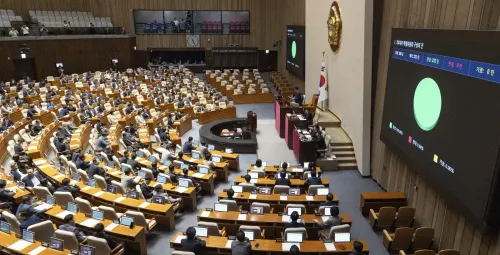
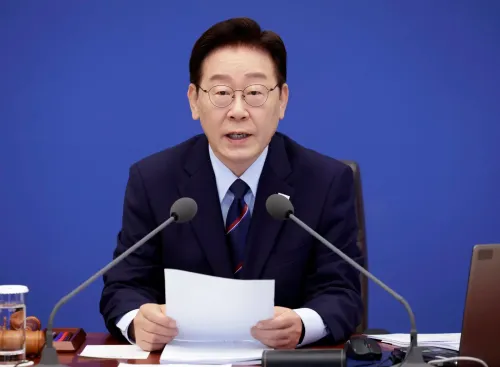
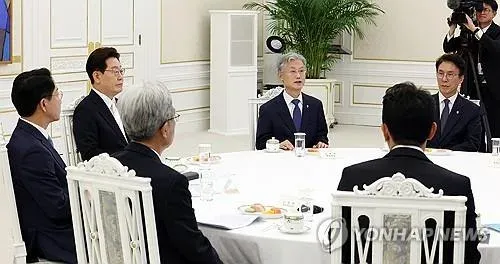
South Korean President Lee Jae Myung on Monday, 8 June pledged sweeping reforms to the country's election administration after ballot paper shortages at polling stations during the 3 June local elections and parliamentary by-elections triggered a public trust crisis. The pledge came during a high-level meeting in Seoul attended by the nation's top constitutional and legislative leaders.
Who Was in the Room
The emergency meeting brought together Prime Minister Kim Min-seok, National Assembly Speaker Cho Jeong-sik, Supreme Court Chief Justice Cho Hee-dae, and Constitutional Court President Kim Sang-hwan — a rare convening of all four branches of governance. The breadth of attendance signals how seriously the administration is treating what critics have called a systemic failure in election management.
Scale of the Ballot Shortage
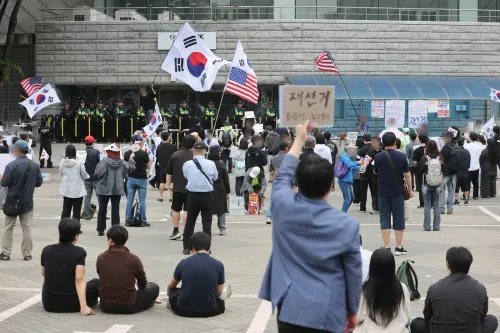
The National Election Commission faced sharp criticism after ballot paper shortages were reported at more than a dozen polling stations in Seoul alone during the 3 June elections. Nationwide, more than 50 polling stations reportedly experienced at least a temporary shortage. Some voters, according to reports, returned home without casting their ballots — a direct infringement on electoral rights that the president acknowledged without qualification.
What the President Said
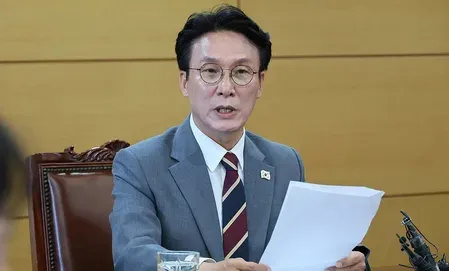
'It is necessary to get to the bottom of the incident, even if it does not produce a clear solution,' Lee said at the opening of the meeting. He described the situation as 'a very serious problem that cannot be excused' under any circumstance, regardless of the number of votes affected or whether the shortages had any bearing on election results. Lee stressed that the incident had 'undermined the people's rights and sovereignty' and that 'this situation cannot be overlooked.'
Accountability and Next Steps
According to Lee Kyu-youn, senior presidential secretary for communication, participants agreed on the need for a thorough investigation and prompt measures to prevent a recurrence. 'They agreed that those involved should be held strictly accountable administratively and legally based on the results of the investigation,' Lee Kyu-youn told reporters at a press briefing. The meeting concluded with a collective resolve to 'pursue sweeping reforms to election management sufficient to restore public trust.'
Broader Context
This is not the first time South Korea's election infrastructure has come under scrutiny, but a shortage of this scale — affecting polling stations across the capital and dozens more nationwide — is particularly damaging given South Korea's reputation for well-administered democratic processes. The incident lands at a politically sensitive moment, with Lee having only recently assumed the presidency. How swiftly and credibly his administration moves on accountability will likely define early public confidence in his government.
Point of View
And Lee Jae Myung's decision to convene all four constitutional pillars suggests he understands the political weight. The harder question is whether the National Election Commission, an independent body, will accept the kind of structural overhaul the president is signalling. South Korea has navigated high-stakes electoral controversies before, but Lee's presidency is young and cannot afford a perception that election machinery is unreliable. The real test will be whether the promised accountability produces actual consequences — or whether it becomes another committee report filed and forgotten.
NationPress
19 Sept 2026
Frequently Asked Questions
What triggered South Korea's election reform pledge?
Ballot paper shortages at more than 50 polling stations nationwide during the 3 June local elections and parliamentary by-elections triggered the reform pledge. The shortages, concentrated heavily in Seoul, reportedly prevented some voters from casting their ballots.
Who attended the high-level meeting called by President Lee?
The meeting on 8 June was attended by Prime Minister Kim Min-seok, National Assembly Speaker Cho Jeong-sik, Supreme Court Chief Justice Cho Hee-dae, and Constitutional Court President Kim Sang-hwan, alongside President Lee Jae Myung.
What did South Korea's president say about accountability?
President Lee Jae Myung said those involved must be held 'strictly accountable administratively and legally' based on the investigation's findings. He described the ballot shortage as 'a very serious problem that cannot be excused' regardless of its impact on results.
How many polling stations were affected by the ballot shortage?
More than 50 polling stations nationwide reportedly experienced at least a temporary ballot paper shortage, with over a dozen of those located in Seoul alone, according to reports following the 3 June elections.
What reforms are being considered for South Korea's election management?
Officials agreed to conduct a thorough investigation, establish measures to prevent a recurrence, and pursue what they described as 'sweeping reforms to election management sufficient to restore public trust.' Specific measures had not been detailed as of the 8 June meeting.