South Korea NEC ballot shortage probe: Officials to face questioning after June 3 election chaos
Synopsis
South Korea's election watchdog is now under criminal scrutiny. A joint police-prosecutor team has seized NEC servers, raided seven locations, and is preparing to question officials — including the resigned NEC chief — over ballot shortages that halted voting at 26 stations on June 3. With protests in their tenth day and no organiser to negotiate with, the standoff shows no sign of ending soon.
Key Takeaways
A joint police-prosecutor team will soon question National Election Commission (NEC) officials over ballot shortages during South Korea's June 3 local elections .
Voting was temporarily suspended at 26 polling stations , mostly in Seoul .
Investigators seized NEC servers on Saturday and raided seven locations , including NEC headquarters, on Thursday .
The NEC's former chief resigned over the incident and is among those expected to be summoned.
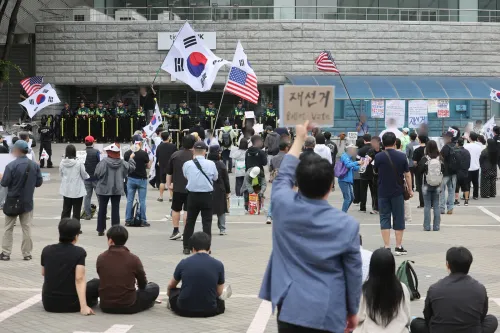
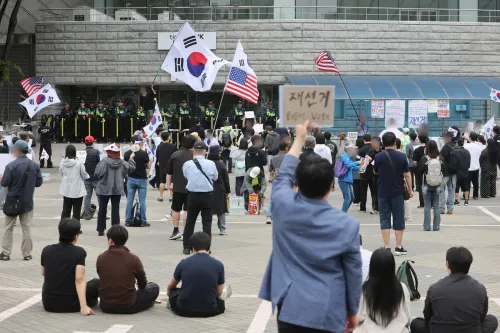
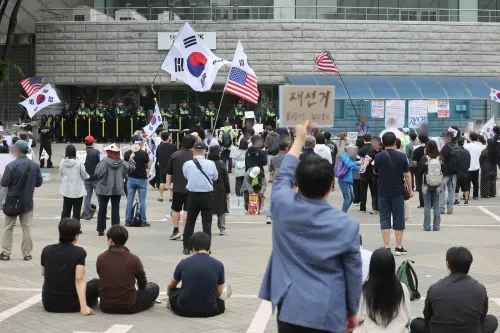
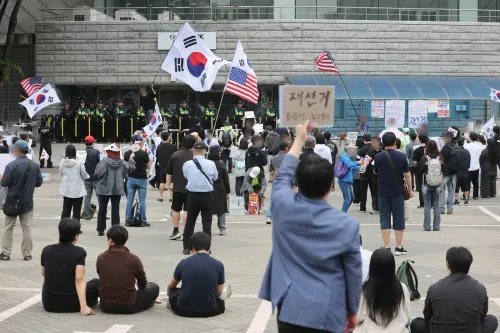
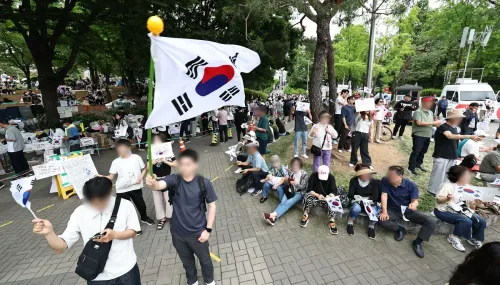
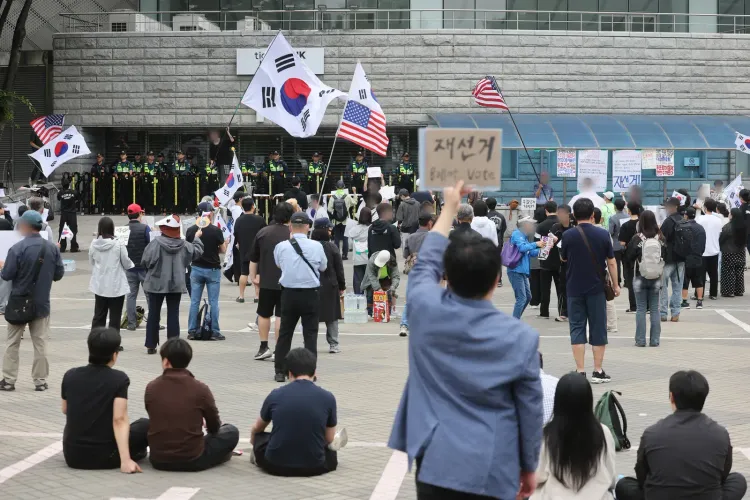
Protests demanding an election re-run entered their tenth day in Jamsil, Seoul , with about 600 people present as of Sunday morning, down from 19,000 the previous night.
Sports organisations blocked from the SK Olympic Handball Gymnasium will hold a press conference Monday urging protesters to allow access.
A joint team of South Korean police investigators and prosecutors is set to question officials of the National Election Commission (NEC) over critical shortages of ballot papers that disrupted the June 3 local elections, legal sources said on Sunday, 14 June. The shortages temporarily suspended voting at 26 polling stations, the majority located in Seoul, triggering a political and legal storm that has yet to subside.
Investigation Gathers Pace
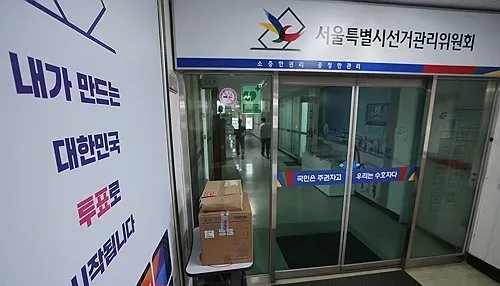
The joint investigative team completed a search and seizure of NEC servers on Saturday to retrieve internal communications and operational records central to the probe. Investigators are specifically examining whether NEC officials exerted undue influence over the printing of ballot papers and how the commission responded once shortages emerged on election day.
The team had already raided seven locations, including the NEC's headquarters, on Thursday as part of the widening inquiry. Under South Korean election law, civil servants are prohibited from using their official positions to improperly influence electoral processes — a provision now at the heart of the investigation.
Who Will Be Called In
Investigators plan to first summon front-line NEC officials who were deployed in areas that experienced the ballot shortages, before moving up the chain to senior figures. Among those expected to face questioning is the NEC's former chief, who resigned following the incident — a rare and significant step that underscores the severity of the fallout.
Protests Enter Tenth Day
On the streets, public anger has not dissipated. Demonstrations demanding a re-run of the elections entered their tenth consecutive day at a vote-counting site in Jamsil, a southern district of Seoul. As of 10 am on Sunday, approximately 600 people were gathered around the SK Olympic Handball Gymnasium, according to unofficial police estimates — a sharp drop from roughly 19,000 who had assembled the previous Saturday night, though officials noted the protests typically swell later in the day.
The demonstrations have blocked entrances to the stadium, preventing sports organisations based there from accessing their offices. Affected sports groups announced plans to hold a press conference on Monday to appeal to protesters to allow them entry.
No Quick End in Sight
Authorities are bracing for a prolonged standoff. Officials noted that the protests have erupted organically, without a central organiser, making a swift dispersal unlikely. A police official indicated that demonstrators are expected to stand down once meaningful progress is made in the ballot shortage investigation — suggesting the probe's pace will directly shape the situation on the ground.
This comes amid broader concerns about institutional trust in South Korea's electoral machinery, with the NEC now under its most intense legal scrutiny in recent memory. How the investigation unfolds in the coming days will be closely watched by political parties and civil society groups alike.
Point of View
The fallout could reshape how South Korea's election administration is structured. If they don't, the unanswered question of how 26 stations ran out of ballots simultaneously will continue to fuel conspiracy and erode confidence in future polls.
NationPress
13 Sept 2026
Frequently Asked Questions
Why are South Korean investigators probing the National Election Commission?
Investigators are examining whether NEC officials improperly influenced the printing of ballot papers and mishandled the resulting shortages that suspended voting at 26 polling stations during the June 3 local elections. Under South Korean election law, civil servants are barred from using their positions to exert undue influence over elections.
What action has been taken against the NEC so far?
The joint team raided seven locations including NEC headquarters on Thursday and seized data from NEC servers on Saturday. The NEC's former chief has already resigned over the incident, and front-line officials are expected to be called in for questioning before senior figures are summoned.
What are protesters in Seoul demanding?
Demonstrators gathered at the SK Olympic Handball Gymnasium in Jamsil, Seoul, are demanding a re-run of the June 3 local elections, citing the ballot shortages as grounds for invalidating the results. The protests have continued for ten consecutive days as of Sunday.
How large are the protests and are they likely to end soon?
About 600 people were present as of Sunday morning, down sharply from roughly 19,000 the previous Saturday night, though numbers tend to rise later in the day. Officials say a quick dispersal is unlikely because the protests have no central organiser, and police expect demonstrators to stand down once progress is made in the investigation.
How did the ballot shortage affect the June 3 elections?
The shortage of ballot papers temporarily suspended voting at 26 polling stations, most of them in Seoul, during the June 3 local elections. The disruption has prompted a criminal investigation, the resignation of the NEC chief, and sustained public protests now in their tenth day.