South Korea election ballot shortage: National Assembly launches probe
Synopsis
South Korea's electoral crisis deepened on 11 June as the National Assembly launched a formal probe into ballot shortages that disrupted the 3 June local elections, while police simultaneously raided the National Election Commission's headquarters and named former NEC chief Rho Tae-ak as a suspect. With both ruling and opposition parties pushing competing investigation frameworks and protesters demanding a re-run for the seventh straight day, the controversy is fast becoming a full-blown constitutional flashpoint.
Key Takeaways
South Korea's National Assembly initiated formal procedures on 11 June for a parliamentary investigation into ballot shortages during the 3 June local elections.
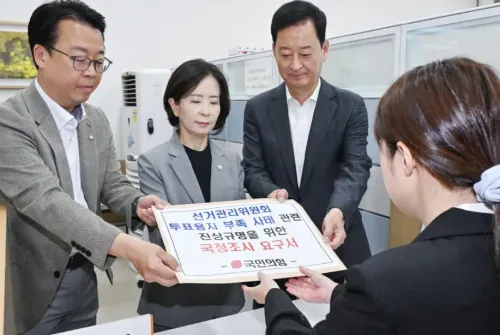
Both the ruling Democratic Party (DP) and opposition People Power Party (PPP) submitted separate probe requests, with all lawmakers from each party as co-sponsors.
Police raided NEC headquarters in Gwacheon and six other locations in Seoul, mobilising more than 100 investigators.
Former NEC Chairman Rho Tae-ak , who resigned over the incident, is reportedly named as a suspect in the search warrant.
Ballot shortages suspended voting at 26 polling stations , mostly in Seoul's Songpa Ward ; protests demanding a re-run have continued for seven straight days .
The PPP wants a concurrent special counsel probe; the DP insists on completing the parliamentary inquiry first.
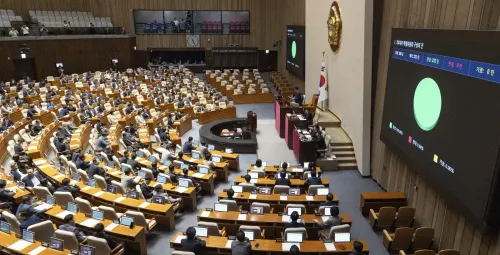
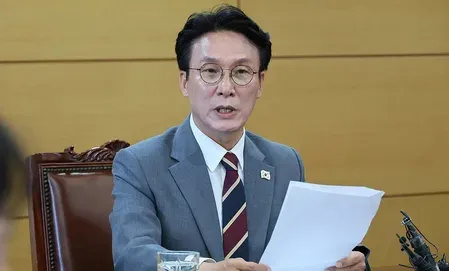
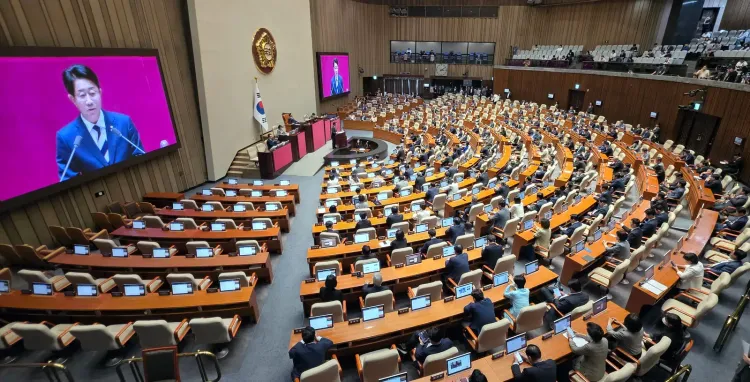
South Korea's National Assembly on Thursday, 11 June formally initiated procedures for a potential parliamentary investigation into ballot shortages that disrupted last week's local elections, with both the ruling and opposition parties separately submitting probe requests to a plenary session. The move marks a significant escalation in political and legal scrutiny of the National Election Commission (NEC) over what critics have called a serious failure in electoral administration.
Probe Requests from Both Sides
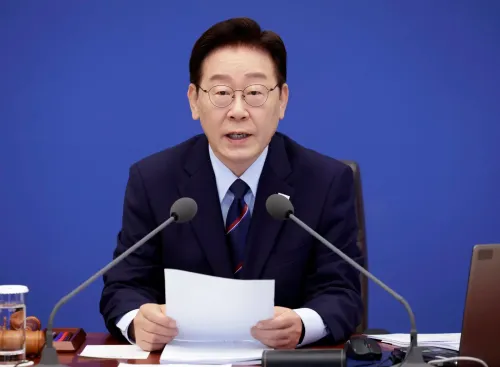
The head of the Proceedings Division of the National Assembly Secretariat confirmed that probe requests were submitted independently by the ruling Democratic Party (DP) and the main opposition People Power Party (PPP), with all lawmakers from each party sponsoring their respective submissions. The next step involves establishing a special parliamentary committee to examine allegations of mismanagement during the voting process.
However, negotiations are expected to be contentious. The DP and the PPP have differed over the scope of the investigation and the allocation of committee seats between the parties. The PPP has further argued that a separate special counsel probe should run concurrently with the parliamentary inquiry, while the DP has maintained that such a step should only be considered after the parliamentary process concludes.
Police Raid NEC Headquarters and Local Offices
In a parallel development, police on Thursday raided the NEC's headquarters in Gwacheon, just south of Seoul, along with several of its local offices in the capital, as part of a criminal investigation. More than 100 police investigators were mobilised for simultaneous searches and seizures across seven locations, targeting offices that had experienced ballot shortages during the 3 June local elections.
Police are investigating the NEC and its local offices on suspicion of election law violations and dereliction of duty. The search and seizure warrant reportedly names former NEC Chairman Rho Tae-ak — who stepped down following the debacle — as a suspect in the case.
'Through today's search and seizure, we are focusing on securing evidence to determine the material truth of the case, including identifying the cause of the infringement of the people's political rights,' police said.
What Happened on Election Day
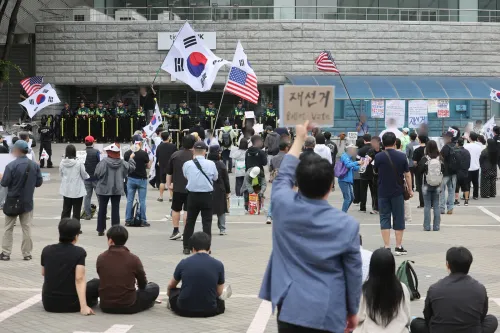
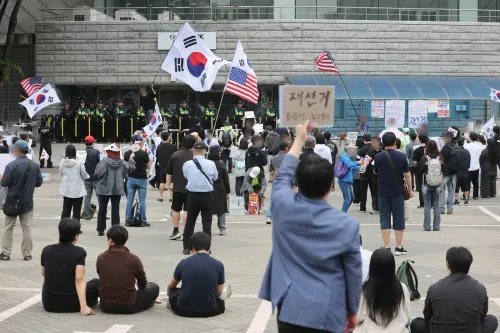
Ballot shortages temporarily suspended voting at 26 polling stations nationwide during the 3 June local elections, with the disruptions concentrated largely in Seoul's Songpa Ward, according to the NEC. The shortages triggered immediate protests, with demonstrators gathering around a vote-counting facility in Songpa Ward to demand a re-run of the elections — a protest that had continued for a seventh straight day by Thursday.
What Comes Next
Investigators have said they plan to use evidence secured through the raids to determine the root cause of the ballot shortages. The parliamentary committee's formation will hinge on inter-party negotiations over its mandate and composition. With both a criminal investigation and a potential special counsel probe now on the table, the political and legal fallout from the 3 June elections shows no sign of abating in the near term.
Point of View
Which risks turning a legitimate accountability exercise into a partisan battleground. Naming a former NEC chairman as a criminal suspect is an extraordinary step; it raises the stakes for every future election official in the country. If the parliamentary committee fails to agree on a unified mandate, the vacuum will be filled by the courts and the street — neither of which is a comfortable outcome for democratic consolidation.
NationPress
20 Sept 2026
Frequently Asked Questions
Why is South Korea's National Assembly investigating the ballot shortage?
The National Assembly launched a formal probe after ballot shortages suspended voting at 26 polling stations during the 3 June local elections, mostly in Seoul's Songpa Ward. Allegations of mismanagement and possible election law violations by the National Election Commission prompted both ruling and opposition parties to submit separate investigation requests.
Who is Rho Tae-ak and why is he named in the probe?
Rho Tae-ak is the former chairman of South Korea's National Election Commission who resigned following the ballot shortage debacle. He is reportedly named as a suspect in the police search and seizure warrant issued as part of the criminal investigation into the shortages.
What did police do on 11 June in connection with the ballot shortage?
Police raided the NEC's headquarters in Gwacheon and six other locations, including local NEC offices in Seoul, mobilising more than 100 investigators for simultaneous searches and seizures. The raids aimed to secure evidence to determine the cause of the ballot shortages and any violations of election law.
What are the key differences between the DP and PPP positions on the probe?
The ruling Democratic Party wants to complete the parliamentary investigation before considering a special counsel probe, while the opposition People Power Party is pushing for both to run concurrently. The two parties have also disagreed on the scope of the inquiry and the number of committee seats each should hold.
What has been the public reaction to the ballot shortages?
Protesters have gathered around a vote-counting facility in Seoul's Songpa Ward for seven consecutive days, demanding a re-run of the elections. The shortages temporarily disrupted voting and prompted immediate allegations of election fraud from some voters.