South Korea ballot shortage probe: Both parties file parliamentary inquiry requests
Synopsis
Both of South Korea's rival parties want answers — but on their own terms. After ballot shortages hit more than a dozen Seoul polling stations and triggered fraud protests in Songpa Ward, the DP and PPP have each filed parliamentary probe requests that agree on the need for accountability but clash on who gets to chair the investigation. The NEC's credibility is now squarely on the line.
Key Takeaways
Both the Democratic Party (DP) and People Power Party (PPP) filed separate parliamentary probe requests on 8 June over last week's ballot shortage.
The PPP proposed an 18-member special committee with a 60-day mandate and a PPP chair; the DP submitted its own differing proposal.
Ballot shortages were reported at more than a dozen polling stations in Seoul , temporarily halting voting.
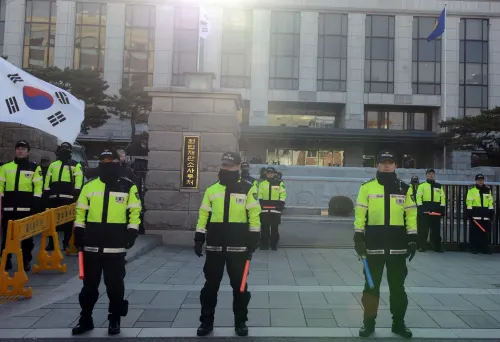
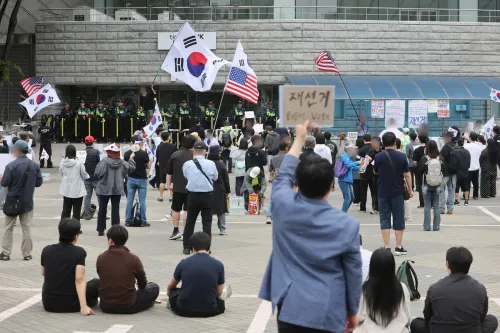
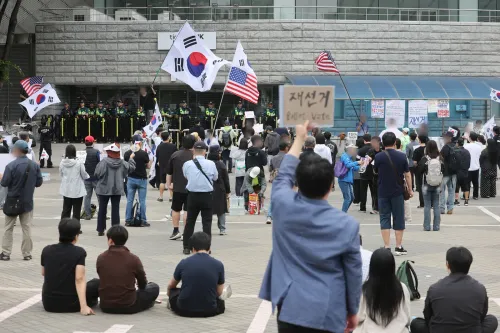
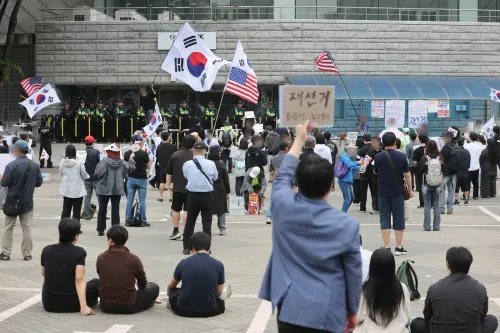
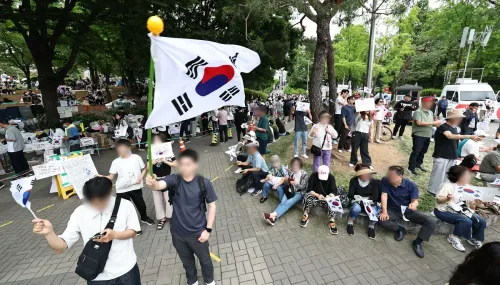
Protests alleging election fraud broke out at a station in Seoul's Songpa Ward ; police dispersed the crowd and transferred ballot boxes on Friday .
The National Election Commission (NEC) reportedly recognised the possibility of shortages in advance but failed to act in time, according to ruling party Rep.
The PPP also plans to introduce a bill seeking an independent counsel probe into the incident.
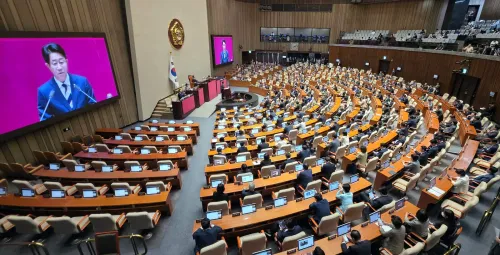
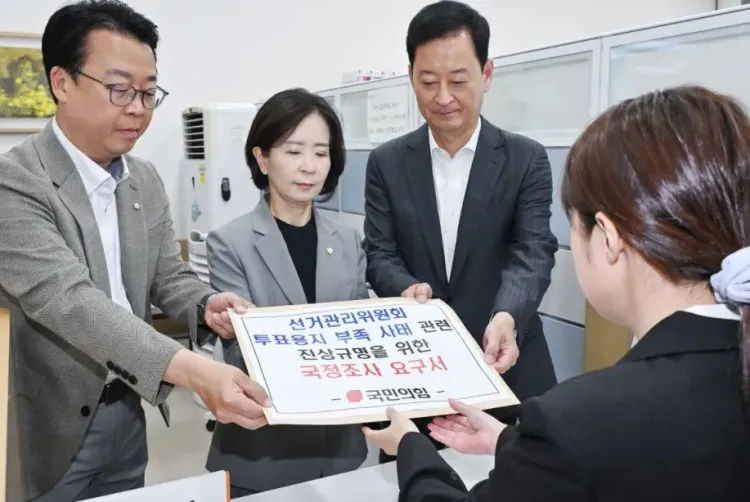
South Korea's rival political parties on Monday, 8 June separately submitted requests to the National Assembly for a parliamentary investigation into an unprecedented ballot shortage that disrupted local elections the previous week. Both the ruling Democratic Party (DP) and the main opposition People Power Party (PPP) filed their requests at the Assembly's bills division, agreeing on the need for a thorough probe but differing on its scope and structure.
What the Parties Are Proposing
The PPP proposed forming an 18-member special committee — nine members from each party — to oversee the investigation for 60 days, with a PPP member chairing the panel. Under this proposal, the committee would examine the root cause of the ballot shortage, whether it infringed upon voters' rights, and what the party described as violent police suppression during the removal of ballot boxes from a polling station. The PPP also plans to introduce a separate bill seeking an independent counsel probe into the incident.
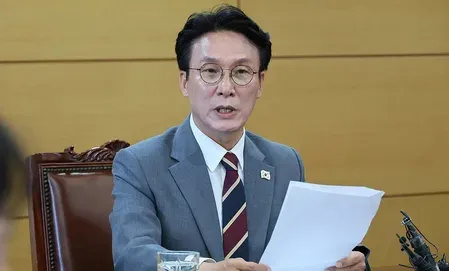
The DP submitted its own request later in the afternoon. Rep. Cheon Jun-ho of the ruling party told reporters that the National Election Commission (NEC) 'failed to respond in time despite recognising the possibility of ballot shortages in advance, causing significant confusion.' He characterised the episode as 'critical mismanagement' that fuelled unnecessary suspicions over the fairness of the election.
What the DP Is Calling For
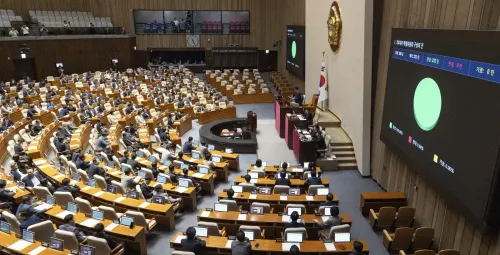
'We request a parliamentary investigation to thoroughly unveil the truth, examine the structural problems of the NEC and the election commissions at all levels, as well as come up with reform measures to fully guarantee people's voting rights and to restore public trust in the electoral process,' Rep. Cheon said. The two parties are expected to negotiate the specifics before the plan is put to a plenary vote.
How the Shortage Unfolded
Ballot shortages were reported at more than a dozen polling stations in Seoul during last week's local elections, temporarily disrupting voting. The disruption triggered protests at a polling station in Seoul's Songpa Ward, where demonstrators alleged election fraud. Police dispersed the crowd and transferred the ballot boxes for counting on Friday, two days after voting had taken place — an unusual delay that deepened public unease.
Wider Implications for Electoral Trust
The incident is the first of its kind in South Korea's recent electoral history, raising questions about logistical preparedness at the NEC. This comes amid a broader period of political polarisation between the DP and PPP, making cross-party agreement on the probe's structure particularly consequential. How the two parties resolve their differences over the committee's chairmanship and mandate will signal whether the investigation can be seen as credible and non-partisan. The outcome could shape public confidence in South Korea's electoral institutions ahead of future national votes.
Point of View
But on terms that preserve its own political leverage. The NEC's admission — implicit in Rep. Cheon's remarks — that it foresaw the risk and failed to act is the most damaging detail, and the one most likely to drive institutional reform demands. South Korea's democratic institutions have weathered larger storms, but the speed with which fraud allegations spread in Songpa Ward underscores how quickly procedural failures become conspiracy fodder in a polarised political climate.
NationPress
23 Oct 2026
Frequently Asked Questions
What caused the ballot shortage in South Korea's local elections?
Ballot shortages were reported at more than a dozen polling stations in Seoul during last week's local elections, temporarily disrupting voting. According to ruling party Rep. Cheon Jun-ho, the National Election Commission recognised the possibility of shortages in advance but failed to respond in time.
What are the DP and PPP proposing for the investigation?
The PPP proposed an 18-member special committee with a 60-day mandate, co-staffed equally by both parties but chaired by a PPP member, along with a separate independent counsel bill. The Democratic Party submitted its own probe request with differing terms; the two sides are expected to negotiate before a plenary vote.
What happened at the Songpa Ward polling station?
Protesters gathered at a polling station in Seoul's Songpa Ward alleging election fraud following the ballot shortage. Police dispersed the crowd and transferred the ballot boxes for counting on Friday, two days after voting had taken place.
Who is responsible for managing South Korea's elections?
The National Election Commission (NEC) is the body responsible for overseeing elections in South Korea. Rep. Cheon Jun-ho of the ruling Democratic Party criticised the NEC for what he called 'critical mismanagement,' saying it failed to act despite advance awareness of the shortage risk.
What happens next in the parliamentary probe process?
The rival parties are expected to negotiate the details of the proposed probe — including committee composition and chairmanship — before the plan is put to a plenary vote at the National Assembly. The PPP is also separately preparing a bill to seek an independent counsel investigation.