South Korea PM demands swift probe into ballot shortage crisis
Synopsis
South Korea's democratic credibility is on the line. Ballot shortages at over a dozen Seoul polling stations on June 3 have triggered seven days of street protests, a prime ministerial intervention, and a rare bipartisan parliamentary probe — with a special counsel investigation also on the table. The crisis has exposed deep fault lines between the ruling DP and opposition PPP over how far accountability should go.
Key Takeaways
Prime Minister Kim Min-seok on 11 June called for a speedy and rigorous investigation into ballot shortages from last week's local elections.
Shortages were reported at more than a dozen polling stations in Seoul during the 3 June local elections.
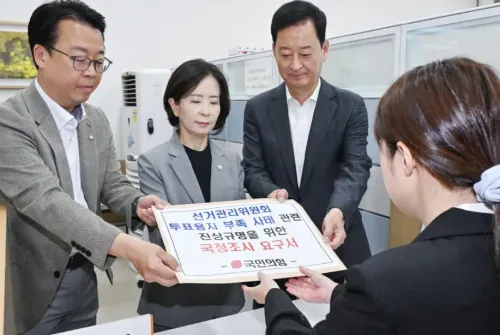
The National Assembly formally received investigation requests from both the ruling Democratic Party (DP) and the opposition People Power Party (PPP) .
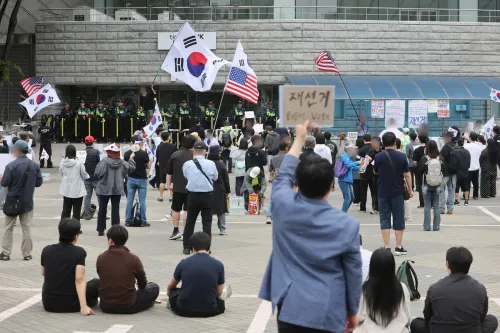
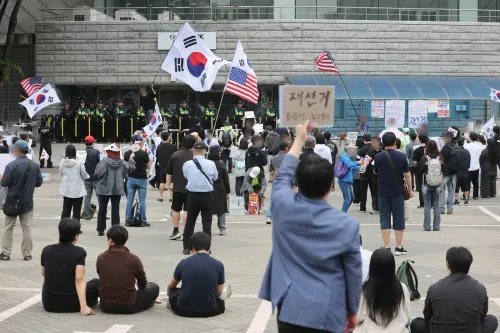
Protesters have rallied outside a Seoul vote-counting facility for seven consecutive days , demanding an election rerun; tens of thousands gathered over the weekend.
The PPP wants a concurrent special counsel probe; the DP says it should follow the parliamentary inquiry.
The presidential office has signalled openness to a special counsel investigation if both parties agree.
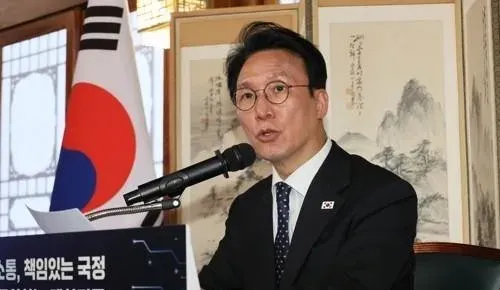
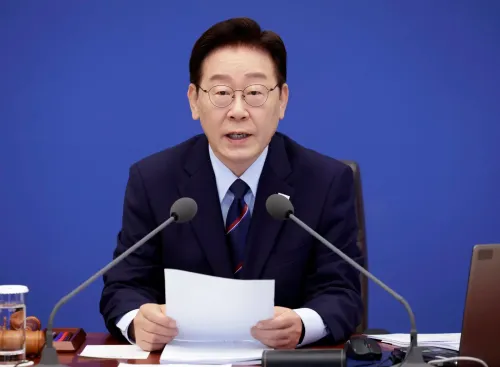
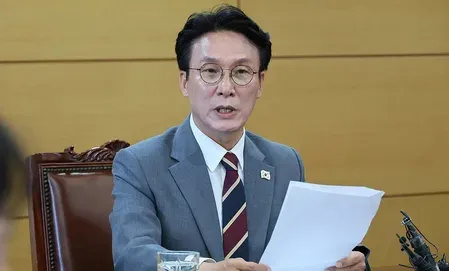
South Korean Prime Minister Kim Min-seok on Thursday, 11 June called for a swift and thorough investigation into ballot shortages that disrupted last week's local elections, warning that the credibility of the country's democratic process is at stake. The demand came as the National Assembly launched formal parliamentary investigation procedures on the same day, with both the ruling and opposition parties submitting separate probe requests.
PM's Call for Bipartisan Action
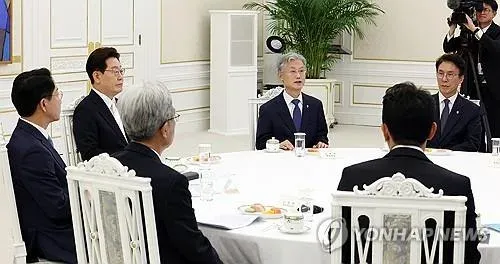
During a high-level meeting with officials from the interior, justice, education and culture ministries — alongside representatives from the National Police Agency and the prosecution — Prime Minister Kim stressed that cross-party cooperation is essential to resolving the crisis. He framed the investigation not merely as a political exercise but as a necessary step to reinforce public confidence in South Korea's democratic institutions.
What Triggered the Crisis
Ballot shortages were reported at more than a dozen polling stations in Seoul during the 3 June local elections, sparking immediate public outrage. Protesters have rallied outside a vote-counting facility in Seoul for a seventh consecutive day, demanding a rerun of the elections. Over the weekend, tens of thousands of demonstrators gathered to protest the shortages and physically block election officials from removing ballot boxes — an extraordinary show of public distrust.
Parliament Moves on Dual-Track Investigation
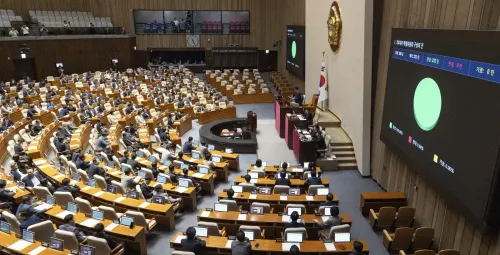
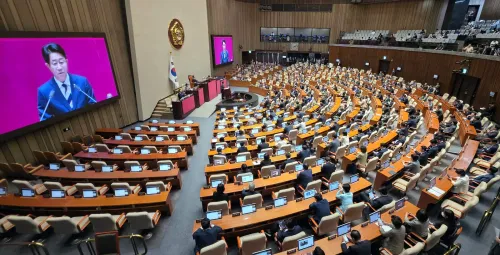
The National Assembly on Thursday formally received investigation requests submitted separately by the ruling Democratic Party (DP) and the main opposition People Power Party (PPP), with all lawmakers from each party sponsoring their respective proposals. The move is the first step toward establishing a special parliamentary committee to examine alleged mismanagement by the National Election Commission during the voting process.
However, the two parties remain divided on key details. The PPP has argued that a separate special counsel probe should run concurrently with the parliamentary investigation, while the DP has maintained that such a step should only be considered after the parliamentary inquiry concludes. Negotiations are expected over the scope of the probe and the allocation of committee seats between the parties.
Presidential Office Signals Openness
In a separate meeting, PPP floor leader Jeong Jeom-sig met with Hong Ik-pyo, presidential secretary for political affairs, to press the case for a special counsel investigation. According to PPP spokesperson Choi Soo-jin, Hong indicated that the presidential office would be open to a special counsel probe if the rival parties reach a consensus. National Assembly Speaker Cho Jeong-sik chaired a meeting where both parties agreed in principle to hold a plenary session as early as next week to adopt a formal investigation plan.
What Comes Next
The establishment of the special parliamentary committee hinges on inter-party negotiations, which are expected to begin in earnest ahead of the proposed plenary session. Whether a parallel special counsel probe is launched will likely depend on whether the DP and PPP can bridge their differences — a process that could shape South Korea's political landscape in the weeks ahead.
Point of View
Resisted by the DP, risks turning a procedural failure by the Election Commission into a prolonged partisan battle. Seven days of street protests and tens of thousands mobilising to block ballot-box removal are not routine post-election grievances — they reflect a deeper erosion of institutional trust that no parliamentary committee alone can repair.
NationPress
25 Oct 2026
Frequently Asked Questions
What caused the ballot shortage crisis in South Korea?
Ballot shortages were reported at more than a dozen polling stations in Seoul during the June 3 local elections, preventing some voters from casting ballots and triggering immediate public outrage. The National Election Commission has faced allegations of mismanagement over the incident.
What action has the South Korean National Assembly taken?
The National Assembly on 11 June formally launched procedures for a parliamentary investigation, after both the ruling Democratic Party and the opposition People Power Party submitted separate probe requests. A plenary session to adopt a formal investigation plan is expected as early as next week.
What is the difference between the DP and PPP positions on the probe?
The People Power Party wants a special counsel investigation to run alongside the parliamentary inquiry, while the Democratic Party argues that any special counsel probe should only be considered after the parliamentary investigation concludes. Negotiations on the committee's scope and seat allocation are ongoing.
How have citizens responded to the ballot shortages?
Protesters have gathered outside a Seoul vote-counting facility for seven consecutive days, demanding a rerun of the local elections. Tens of thousands rallied over the weekend, with some demonstrators physically blocking election officials from removing ballot boxes.
What is the presidential office's stance on a special counsel probe?
According to PPP spokesperson Choi Soo-jin, presidential secretary Hong Ik-pyo indicated the presidential office would be open to a special counsel investigation if the ruling and opposition parties reach a mutual agreement on the matter.