South Korea PM on ballot shortage: suffrage is democracy's foundation
Synopsis
South Korea's June 3 local elections were marred by an unprecedented ballot shortage at 26 polling stations — an incident that has now drawn a public apology from the Prime Minister, a presidential order for a joint prosecutor-police investigation, and five days of youth-led protests in Seoul. The National Election Commission, a constitutional body, is now facing calls for a full parliamentary inquiry and institutional overhaul.
Key Takeaways
Prime Minister Kim Min-seok publicly admitted the government failed to respond swiftly to ballot shortages during the 3 June nationwide local elections.
Voting was temporarily suspended at 26 polling stations in Seoul and elsewhere — described as unprecedented in South Korean electoral history.
President Lee Jae Myung ordered a joint prosecutor-police investigation and called the National Election Commission (NEC) 'an institution that lost public trust.' Youth protesters in their 20s and 30s have demonstrated near a ballot counting centre in Jamsil, Seoul for five consecutive days .
President Lee has requested the National Assembly to launch a parliamentary inquiry and consider institutional reforms to the NEC.
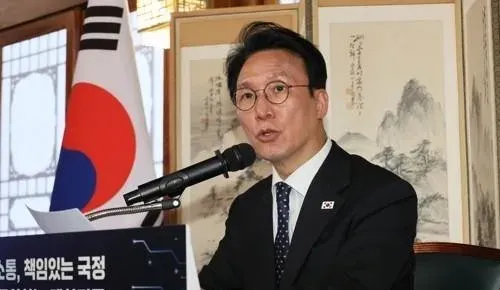
South Korean Prime Minister Kim Min-seok on Tuesday, 9 June said he takes the shocking shortage of ballot papers at polling stations during last week's nationwide local elections with the utmost seriousness, stating that the right to vote is the very foundation of democracy. Speaking at the start of a youth policy meeting with related ministers, Kim said he was ashamed of the incident and acknowledged the government's failure to respond swiftly.
What Went Wrong on Election Day
Ballot shortages led to the temporary suspension of voting at 26 polling stations in Seoul and other parts of the country during the 3 June nationwide local elections — an incident described as unprecedented in South Korea's electoral history. A dozen locations in Seoul, including the eastern Songpa district, were among those affected. The disruptions sparked immediate public outrage, particularly among younger voters.
PM Kim's Remarks and Admission of Failure
'We should have been more sensitive to such issues and should have responded more quickly to come up with solutions, but we couldn't. It was truly regrettable and it reinforced our sense of responsibility,' Kim said at the meeting. His remarks signal a rare public admission of institutional failure at the highest levels of the South Korean executive.
President Lee Orders Joint Investigation
South Korean President Lee Jae Myung had earlier pledged a thorough investigation and measures to overhaul the National Election Commission (NEC). On Sunday, Lee expressed deep regret and ordered the formation of a joint investigation task force involving prosecutors and police. In a message posted on X (formerly Twitter), Lee described the NEC as 'an institution that lost public trust' and called the ballot shortage 'a serious issue that undermines the foundation of popular sovereignty.' He also requested the National Assembly to launch a parliamentary inquiry to determine what happened, prevent recurrence, and discuss institutional reforms for the election watchdog.
Protests Enter Fifth Day
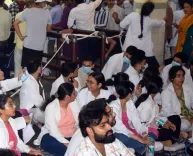
Younger voters in their 20s and 30s have been holding sustained protests near a ballot counting centre in Seoul's southern district of Jamsil for the fifth consecutive day as of Tuesday. The protests reflect a deepening erosion of public confidence in South Korea's electoral infrastructure. Notably, the NEC — an independent constitutional body — has rarely faced such concentrated pressure from both the executive and the public simultaneously.
What Comes Next
The government has committed to taking 'all possible measures at the executive level,' with the joint prosecutor-police task force expected to begin establishing responsibility. A parliamentary inquiry, if approved, could lead to structural reforms of the NEC. The outcome of both investigations will likely shape public trust in South Korea's electoral process ahead of future national polls.
Point of View
Designed as an independent constitutional safeguard, now faces simultaneous pressure from the presidency, the legislature, and the street. What is striking is that President Lee Jae Myung, himself a figure with a contested political history, is leading the charge against the very body that oversees his own electoral legitimacy. The risk is that a genuine accountability process becomes entangled with political score-settling — and that the real structural fixes to South Korea's election infrastructure get lost in the noise.
NationPress
20 Sept 2026
Frequently Asked Questions
What caused the ballot shortage at South Korea's June 3 local elections?
Ballot papers ran short at 26 polling stations across South Korea, including multiple locations in Seoul's Songpa district, during the 3 June nationwide local elections, forcing temporary suspensions of voting. The precise cause is under investigation by a joint prosecutor-police task force ordered by President Lee Jae Myung.
What has South Korean Prime Minister Kim Min-seok said about the incident?
Prime Minister Kim Min-seok said on 9 June that he takes the ballot shortage seriously and expressed shame over the government's failure to respond quickly. He acknowledged the incident as 'truly regrettable' and said it reinforced the government's sense of responsibility.
What action has President Lee Jae Myung ordered in response?
President Lee ordered the formation of a joint investigation task force involving prosecutors and police to establish responsibility. He also called on the National Assembly to launch a parliamentary inquiry and requested institutional reforms to the National Election Commission (NEC).
Why are young South Koreans protesting, and where?
Voters in their 20s and 30s have been holding protests near a ballot counting centre in the Jamsil district of southern Seoul, entering their fifth consecutive day of demonstrations as of Tuesday. They are protesting the ballot shortages, which they view as an infringement on their constitutional right to vote.
What could happen to the National Election Commission as a result?
President Lee has described the NEC as 'an institution that lost public trust' and requested a parliamentary inquiry into its functioning. If approved, the inquiry could lead to structural reforms or an overhaul of the independent constitutional body that oversees South Korean elections.