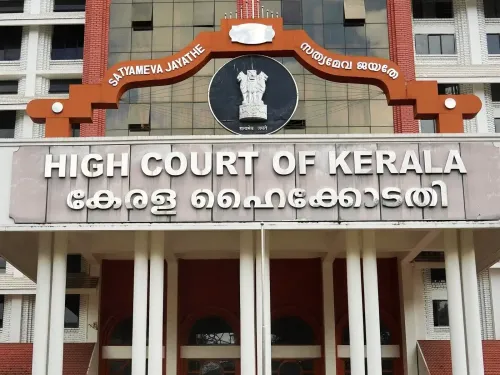
Kerala HC Orders ECI Reply on Postal Ballot Gaps Before May 4 Count
Synopsis
The Kerala High Court has directed the Election Commission of India to explain by Tuesday whether voters denied postal ballots during the April 9 Kerala Assembly elections can still be accommodated — just days before May 4 counting. The case exposes a systemic failure in ballot distribution that may have silenced the votes of the very officials who ran the election.
Key Takeaways
The Kerala High Court on April 24 directed the Election Commission of India to respond by Tuesday, April 29 on postal ballot failures during the April 9 Kerala Assembly elections .
A state government employee filed a petition alleging his constitutional right to vote was denied despite following all required postal ballot procedures.
The postal ballot voting window ran from April 1 to April 8 , but many officials reportedly did not receive ballot papers even by April 6 .
The Kerala NGO Union had earlier filed a writ petition highlighting systemic difficulties faced by government staff deployed on election duty across the state.
The ECI had assured the court on April 8 that all necessary steps would be taken — an assurance that ground reports suggest was not fully honoured.
Vote counting for the 140-seat Kerala Assembly is scheduled for May 4, 2025 , making Tuesday's hearing time-critical for any possible remedial action.
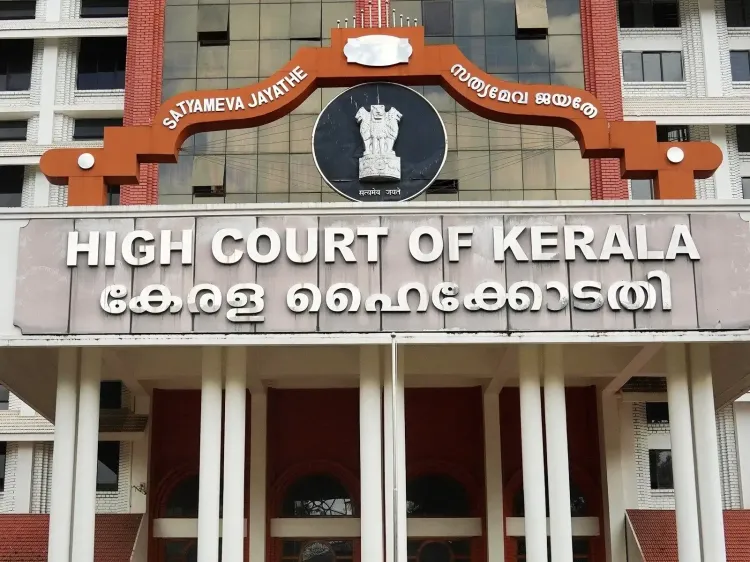
The Kerala High Court on Friday, April 24, directed the Election Commission of India (ECI) to submit its response by Tuesday on whether additional arrangements can be made for voters who were unable to cast their postal ballots in the Kerala Assembly elections held on April 9. The court's intervention, aimed at preventing disenfranchisement of eligible voters, carries significant weight as vote counting is scheduled for May 4.
What the Kerala High Court Directed
The Kerala HC Bench took up the matter after expressing concern over voters being effectively denied their constitutional right to vote despite following prescribed procedures. The court asked the ECI to place on record its considered position on the feasibility of extending or facilitating postal voting mechanisms for those who missed the opportunity due to administrative lapses.
The matter has been posted for further hearing on Tuesday, with the poll panel expected to file its detailed response. The timing is critical — any remedial action, if ordered, would need to be implemented before the May 4 counting day.
The Petition and Background
The proceedings were initiated by a state government employee who alleged that his fundamental right to vote under the Constitution of India was violated, despite his compliance with all procedural requirements for postal voting. His petition reflects a wider systemic concern that surfaced during the run-up to the polls, which elected 140 members to the Kerala Legislative Assembly.
Earlier, the Kerala NGO Union had filed a writ petition highlighting large-scale difficulties faced by government personnel deployed on election duty. The union cited provisions under the Conduct of Election Rules, 1961, which entitle such personnel to vote via postal ballots. On April 8, the ECI had assured the court that all necessary steps would be taken to ensure polling staff could cast their votes through postal ballots before reporting for duty.
How the Administrative Failure Unfolded
Despite the ECI's assurance, ground-level reports painted a troubling picture. The postal ballot voting window was narrow — from April 1 to April 8 — and overlapped with tight logistical schedules for election personnel. Several officials reportedly did not receive their ballot papers even by April 6.
Compounding the problem, April 8 was largely consumed by the collection of Electronic Voting Machines (EVMs) and other election materials, leaving personnel with virtually no time to exercise their postal vote. This sequence of delays effectively rendered the voting window meaningless for a significant number of eligible voters.
Why This Matters: Electoral Fairness at Stake
Postal ballots, while a small fraction of total votes, can prove decisive in closely-contested constituencies. In a state like Kerala, where electoral margins in several seats have historically been razor-thin, even a few hundred disenfranchised votes could alter outcomes. Critics argue that the failure to ensure timely ballot distribution to election duty personnel — the very people who make the democratic exercise possible — is an institutional contradiction that demands accountability.
This is not the first time such concerns have emerged in India. Similar complaints about postal ballot delays have been raised in previous elections across multiple states, pointing to a systemic gap in the ECI's logistical framework for absentee voting. The Kerala case, however, is notable because it has reached judicial scrutiny before counting, giving courts a rare opportunity to intervene in real time.
What Happens Next
The ECI is expected to present its position before the Kerala High Court on Tuesday, April 29. The court may then decide whether to issue further directions, including the possibility of allowing affected voters to cast their ballots through an alternative mechanism before May 4. Legal observers note that any such order would set a significant precedent for how courts can intervene to protect voting rights in the pre-counting phase of elections.
With counting just days away, the outcome of Tuesday's hearing will be closely watched by electoral watchdogs, political parties, and thousands of government employees who believe their votes were lost to bureaucratic failure.
Point of View
Given that ballot papers hadn't even reached many officials by April 6. This is not just a Kerala story; it is a national indictment of how India's postal ballot system routinely fails the most procedurally burdened voters. The Kerala High Court's real-time intervention is rare and welcome — but the deeper question is why the ECI needed judicial prodding to protect a right it was already obligated to guarantee.
NationPress
14 Sept 2026
Frequently Asked Questions
Why did the Kerala High Court summon the Election Commission over postal ballots?
The Kerala High Court directed the ECI to respond after a state government employee petitioned that his right to vote was denied despite following all postal ballot procedures. The court sought to know whether additional facilities could be arranged for voters who missed the postal ballot window due to administrative delays.
Who was affected by the postal ballot issue in the Kerala elections?
Government employees deployed on election duty were the primary group affected. Under the Conduct of Election Rules, 1961, such personnel are entitled to vote via postal ballots, but delays in ballot distribution left many unable to exercise this right within the April 1–8 window.
When is the Kerala Assembly election result counting scheduled?
Vote counting for the Kerala Assembly elections, held on April 9, is scheduled for May 4, 2025. The High Court's hearing on Tuesday, April 29, is expected to determine whether any remedial action can be taken before counting begins.
What is the Conduct of Election Rules 1961 and how does it apply here?
The Conduct of Election Rules, 1961 is a central legislation governing how elections are conducted in India, including provisions for postal ballots for voters unable to be physically present at polling stations. Government personnel on election duty are specifically entitled to vote via this mechanism.
Has the Election Commission faced similar postal ballot complaints before?
Yes, complaints about postal ballot delays for election duty personnel have surfaced in multiple Indian states across previous elections, pointing to a recurring systemic gap. The Kerala case is notable because it has reached judicial scrutiny before counting, offering a rare window for real-time court intervention.