South Korea ballot shortage protests: Fourth day of rallies in Seoul
Synopsis
Four days after ballot shortages suspended voting at 22 polling stations across South Korea, hundreds of protesters are still blockading a Seoul vote-counting facility — and President Lee Jae Myung has now ordered a joint police-prosecutor investigation. The episode is the most serious challenge to South Korea's electoral credibility in years.
Key Takeaways
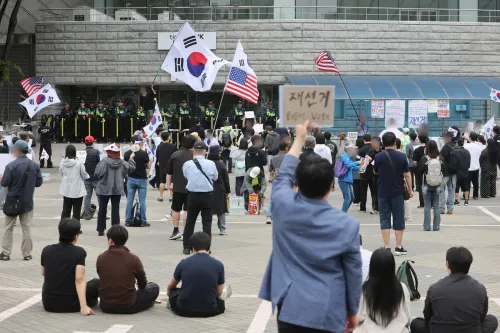
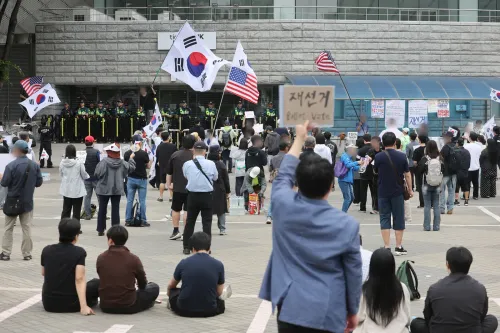
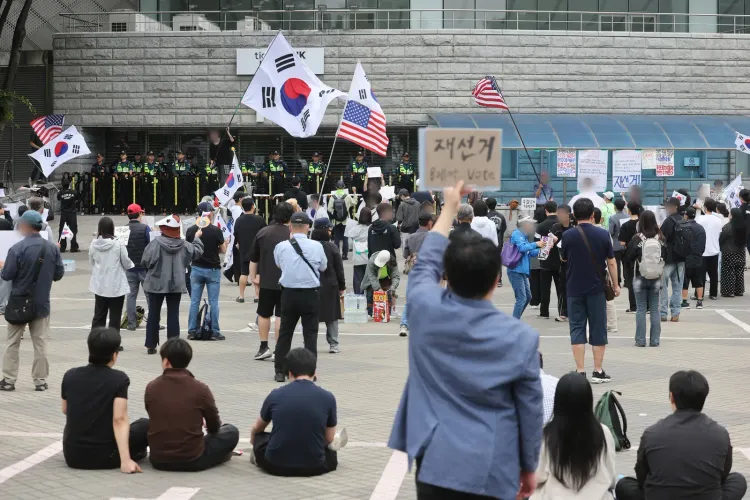
Protests entered a fourth consecutive day on 8 June outside the SK Olympic Handball Gymnasium in Songpa Ward, Seoul .
Approximately 950 protesters were present as of 9:30 a.m. , down from around 8,000 at midnight Sunday.
Voting was suspended at 22 polling stations nationwide due to ballot paper shortages during last week's local elections.
President Lee Jae Myung ordered a joint prosecutors-and-police investigation on Sunday and expressed deep regret.
Police have secured election officials' chat room records and questioned workers and affected voters.
The NEC chief reportedly offered to resign over the shortages; investigators will examine whether distribution standards were followed.
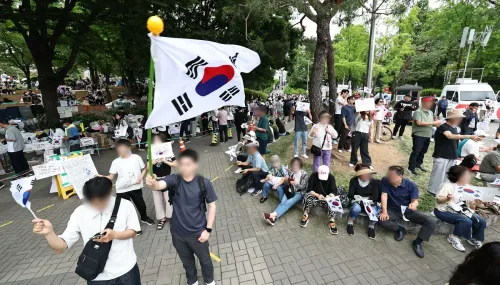
Hundreds of demonstrators gathered for a fourth consecutive day on Monday, 8 June outside a vote-counting facility in Seoul, South Korea, demanding a fresh round of local elections following ballot shortages that disrupted polling last week. The protests have drawn sustained attention to the National Election Commission (NEC) and raised questions about electoral administration in one of Asia's most established democracies.
Situation on the Ground
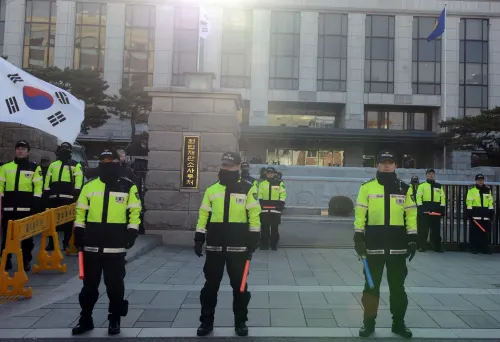
According to an unofficial police estimate, approximately 950 protesters had surrounded the SK Olympic Handball Gymnasium in Songpa Ward as of 9:30 a.m. Demonstrators blocked all 10 entrances to the stadium to prevent the removal of ballot boxes. The crowd marked a sharp drop from around 8,000 people who had gathered near midnight on Sunday, according to reports.
Police deployed roughly 350 personnel to the site to prevent accidental clashes between protesters and officials.
What Triggered the Protests
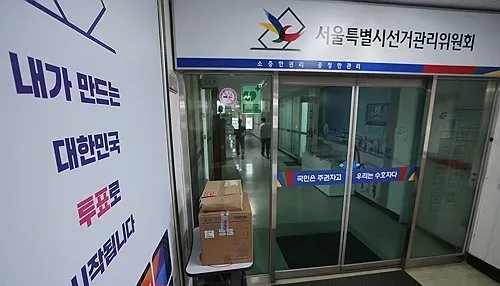
Voting was temporarily suspended at 22 polling stations nationwide on Wednesday due to a shortage of ballot papers, according to the NEC. Protesters have since demanded a re-run of the local elections, with some alleging electoral fraud, though no evidence of deliberate manipulation has been officially established. The NEC's chief reportedly offered to resign last week over the shortages.
Investigation Under Way
Police confirmed they have secured chat room records of election officials and questioned election workers as well as voters who were unable to cast ballots due to the shortage. Separately, a civic activist was called in for questioning over a complaint his group filed against senior NEC officials for alleged dereliction of duty.
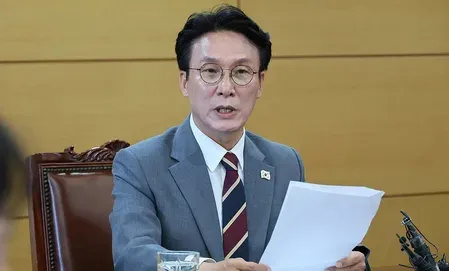
Kim Soon-hwan, secretary general of the People's Welfare Countermeasure Committee, appeared at the Seoul Gangdong Police Station in eastern Seoul, calling for a thorough probe. Investigators plan to determine whether the election watchdog properly followed ballot paper distribution standards.
Presidential Response
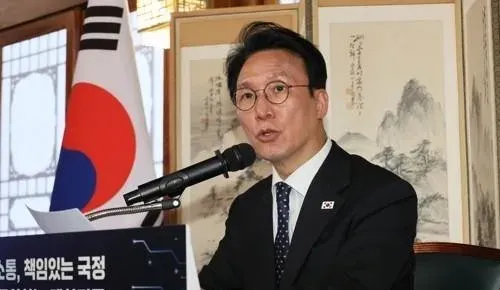
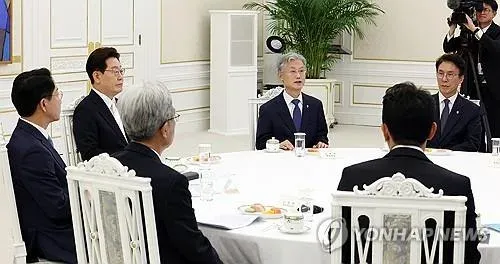
On Sunday, President Lee Jae Myung voiced deep regret over the ballot shortages and ordered the launch of a joint investigation by both prosecutors and police into the incident. The presidential directive signals the highest level of political attention the episode has attracted since polling day.
What Comes Next
With the joint investigation now formally ordered and police questioning of officials under way, the central question is whether the shortages resulted from administrative failure or something more deliberate. The outcome of the probe is likely to determine whether demands for a re-run gain official traction or are set aside.
Point of View
Without verified evidence either way. The investigation's independence and speed will matter as much as its findings: if it is seen as a whitewash, the demand for a re-run will not go away.
NationPress
23 Oct 2026
Frequently Asked Questions
Why are people protesting in Seoul over the local elections?
Protesters are demanding a re-run of South Korea's local elections after ballot shortages forced the temporary suspension of voting at 22 polling stations nationwide. Some demonstrators have alleged electoral fraud, though no evidence of deliberate wrongdoing has been officially confirmed.
Where are the protests taking place?
The main protest site is outside the SK Olympic Handball Gymnasium in Songpa Ward, Seoul, which is being used as a vote-counting facility. Demonstrators have blocked all 10 entrances to prevent ballot boxes from being removed.
What is the South Korean government doing about the ballot shortages?
President Lee Jae Myung ordered a joint investigation by prosecutors and police on Sunday and expressed deep regret over the incident. Police have already secured chat room records of election officials and questioned workers and voters affected by the shortages.
Who is the NEC and what role did it play?
The National Election Commission (NEC) is South Korea's independent electoral watchdog responsible for administering elections, including ballot paper distribution. Its chief reportedly offered to resign after the shortages, and investigators are examining whether the NEC followed proper distribution standards.
Could South Korea hold a re-run of the local elections?
Protesters are demanding a fresh election, but no official decision on a re-run has been announced. The outcome of the joint police-prosecutor investigation is expected to be a key factor in determining whether a re-run is legally or politically warranted.