South Korea police seek arrest warrant in vote count centre blockade
Synopsis
A solo protester's blockade of a Seoul ballot-counting centre has escalated into a criminal case, with police seeking multiple arrest warrants as South Korea's National Assembly opens a formal inquiry into ballot shortages that denied some citizens their vote on 3 June. The episode tests Seoul's ability to hold both election authorities and protesters accountable simultaneously.
Key Takeaways
South Korea's Seoul Songpa Police Station applied for an arrest warrant for a woman on charges of obstruction of business for blockading the Olympic Park Handball Gymnasium on 16 June .
The Seoul Eastern District Court is set to hold an arrest warrant hearing on Tuesday .
Police also sought warrants for a man in his 30s over illegal searches of handball team members' belongings and three men in their 20s for obstructing police.
Protests erupted after ballot paper shortages at multiple polling stations on 3 June prevented some voters from casting ballots.
Prime Minister Kim Min-seok called for a rigorous, bipartisan investigation; the National Assembly has launched formal parliamentary inquiry procedures.
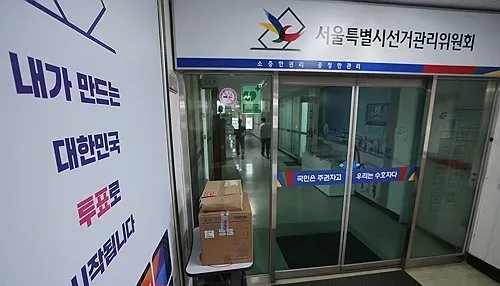
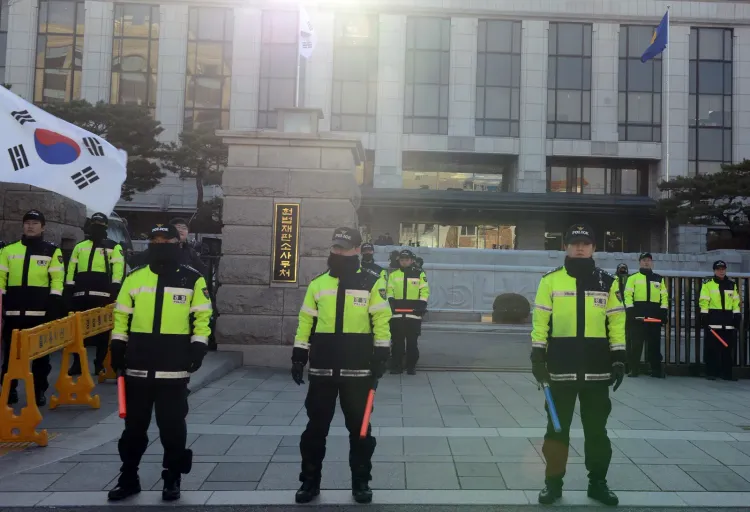
South Korea's police on Thursday, 17 July 2025, confirmed they have applied for an arrest warrant for a woman who single-handedly blockaded a ballot counting centre in Seoul last month, as protests over alleged irregularities in the 3 June local elections continue to simmer. The woman is accused of obstructing access to the Olympic Park Handball Gymnasium in southern Seoul, which served as an official vote-counting facility.
What the Woman Is Accused Of
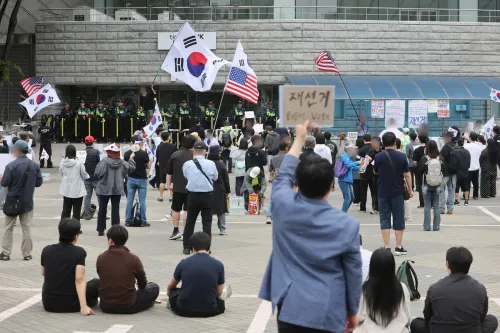
According to police, the accused stood outside an entry point to the Olympic Park Handball Gymnasium on 16 June, preventing sports organisations based at the venue from accessing their offices. Her blockade persisted even after Jang Dong-hyeok, leader of the main opposition People Power Party (PPP), personally brokered an agreement between protesters and sports groups to allow officials inside. The Seoul Songpa Police Station has applied for the warrant on charges of obstruction of business.
The Seoul Eastern District Court is scheduled to hold an arrest warrant hearing on the matter on Tuesday.
Other Warrants Sought
The blockade case is not an isolated legal action. Police have separately requested an arrest warrant for a man in his 30s on charges of illegally searching through personal belongings of members of the national women's youth handball team outside the same stadium on 8 June. Additionally, warrants have been sought for three men in their 20s accused of verbally abusing police officers and obstructing their duties during the protests.
How the Protests Began
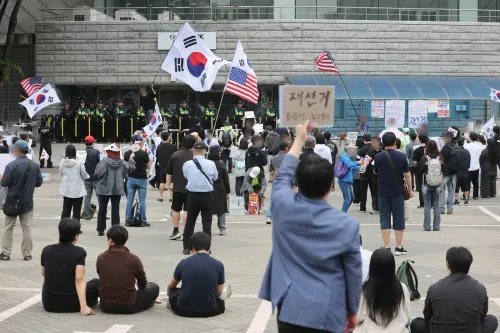
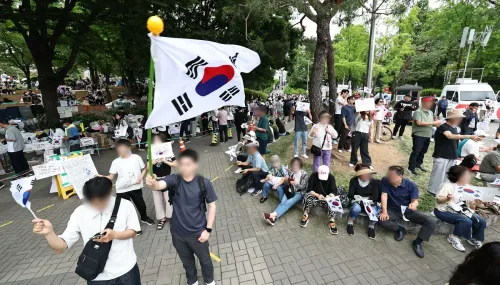
The demonstrations were triggered by reports of ballot paper shortages at multiple polling stations on election day, 3 June, which caused some voters to leave without casting their ballots. The shortages sparked widespread anger and demands for a re-run of the local elections, drawing sustained protests at counting centres across the city.
Government Response and Parliamentary Scrutiny
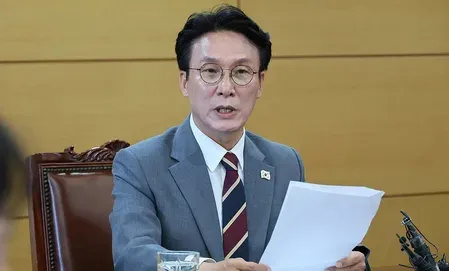
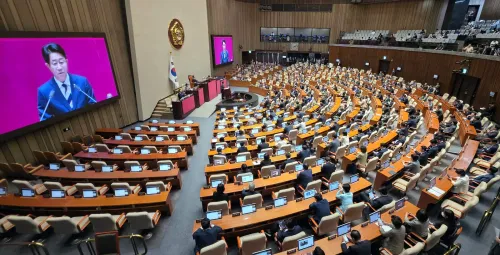
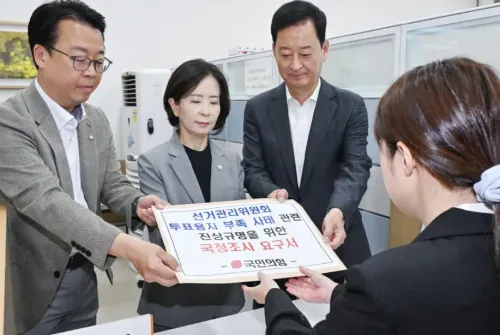
South Korean Prime Minister Kim Min-seok earlier in June called for a swift and thorough investigation into the ballot shortages, describing bipartisan cooperation as essential to protecting democratic integrity. His remarks were made during a meeting with officials from the interior, justice, education, and culture ministries, as well as the National Police Agency and the prosecution. The National Assembly has since launched formal procedures for a potential parliamentary investigation into the matter, signalling that the controversy is far from resolved.
What Happens Next
The arrest warrant hearing at the Seoul Eastern District Court on Tuesday will be a key indicator of how aggressively authorities intend to pursue protest-related charges. The broader parliamentary inquiry into ballot shortages is expected to intensify political pressure on election management bodies. How South Korea navigates the tension between accountability for electoral lapses and the right to protest will define the democratic stakes of this episode.
Point of View
While legally defensible, risks overshadowing the more fundamental question: why did ballot shortages occur at multiple polling stations on 3 June in the first place? South Korea's election management bodies have yet to offer a credible public accounting of the failure. A parliamentary inquiry that focuses on protester conduct rather than institutional lapses would be a convenient inversion of accountability. The People Power Party's role — its leader brokered a compromise mid-protest — also complicates the political optics of now supporting aggressive warrant action against the same demonstrators.
NationPress
15 Oct 2026
Frequently Asked Questions
Why is South Korea police seeking an arrest warrant for the woman?
Police have applied for an arrest warrant against the woman on charges of obstruction of business. She allegedly blocked access to the Olympic Park Handball Gymnasium in Seoul on 16 June, preventing sports groups from entering their offices, even after a negotiated agreement was reached.
What triggered the protests at the vote counting centre?
The protests were sparked by reports of ballot paper shortages at multiple polling stations during South Korea's 3 June local elections, which reportedly caused some voters to leave without voting. Demonstrators have been demanding a re-run of the elections.
Who is Jang Dong-hyeok and what role did he play?
Jang Dong-hyeok is the leader of South Korea's main opposition People Power Party (PPP). He reportedly brokered an agreement between protesters and sports organisations to allow officials to enter the gymnasium — an agreement the accused woman allegedly refused to honour.
What is the National Assembly doing about the ballot shortages?
The National Assembly has launched formal procedures for a potential parliamentary investigation into the ballot shortages. Prime Minister Kim Min-seok has called for a bipartisan probe to uphold democratic standards.
When is the arrest warrant hearing scheduled?
The Seoul Eastern District Court is scheduled to hold the arrest warrant hearing on Tuesday. The outcome will indicate how aggressively authorities plan to pursue protest-related charges.