South Korea ballot shortage protests hit 17th day in Seoul
Synopsis
Seventeen days on, South Korea's ballot-shortage crisis shows no sign of cooling — 34,000 demonstrators, a majority of them under 35, held their ground outside a Seoul counting site on 21 June. With parliament moving toward a formal probe and a special counsel debate splitting the ruling and opposition parties, what began as a logistical failure is fast becoming a full-blown constitutional stress test for South Korean democracy.
Key Takeaways
Protests over South Korea's June 3 local election ballot shortages entered their 17th day on 21 June in Songpa, Seoul .
An estimated 34,000 people gathered at the SK Olympic Handball Gymnasium counting site by 3:30 pm ; those aged 20–30 made up more than half.
Voting was suspended at 26 polling stations on 3 June due to ballot paper shortages; the NEC has apologised but ruled out a rerun.
South Korea's National Assembly on 11 June initiated formal procedures for a parliamentary investigation, backed by both the DP and the PPP .
The PPP is pushing for a parallel special counsel probe; the DP wants to wait until after the parliamentary inquiry.
The presidential office has signalled openness to a special counsel investigation if both parties agree.
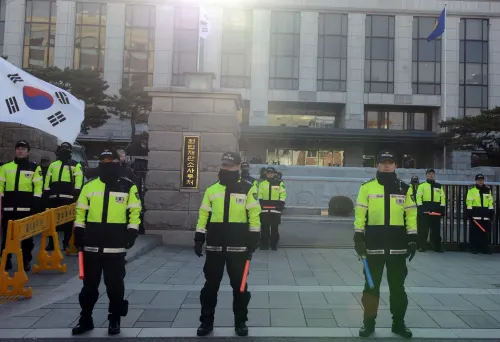
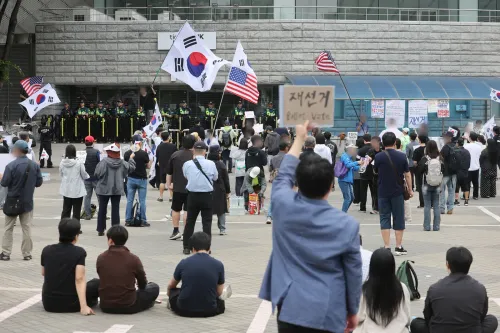
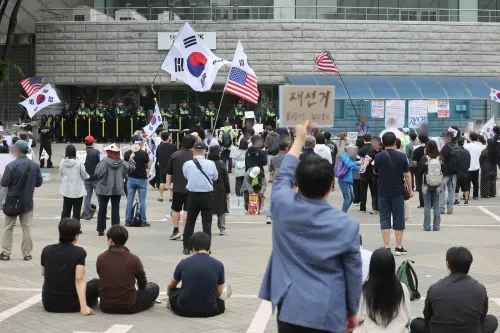
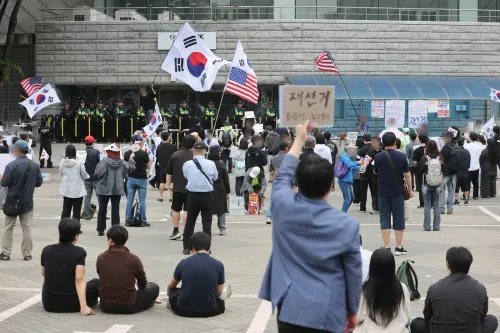
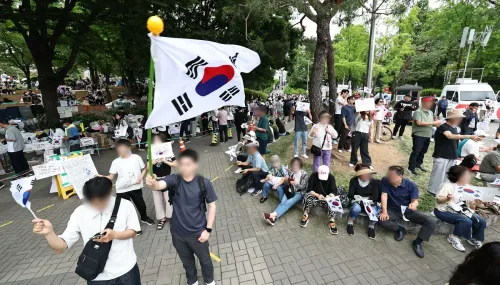
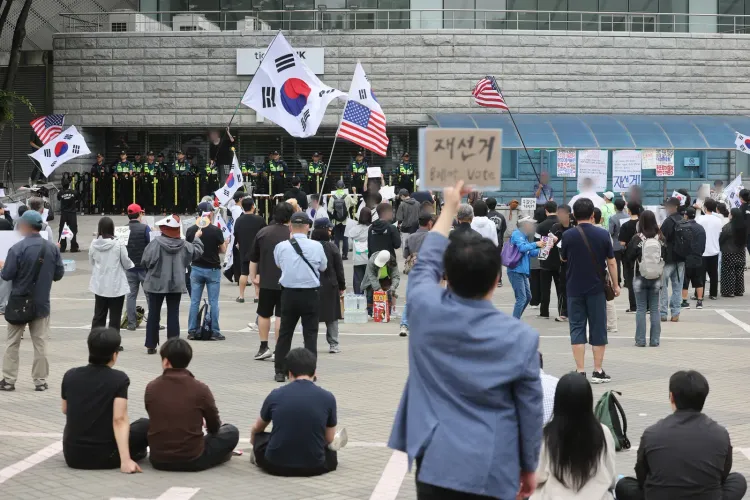
Demonstrations demanding a fresh vote in South Korea's June 3 local elections — disrupted by widespread ballot paper shortages — entered their 17th consecutive day on Sunday, 21 June, with tens of thousands gathering outside the SK Olympic Handball Gymnasium in Songpa, southern Seoul, a venue that served as a counting site for the contested polls.
Scale of the Protests
An estimated 34,000 people had assembled at the site by 3:30 pm, according to the Seoul city government. Notably, those aged between 20 and 30 accounted for more than half of the crowd — a demographic pattern that underscores the depth of public disillusionment with electoral administration among younger South Koreans. Protesters continued to chant slogans and hold pickets alleging election fraud.
The demonstrations began on 5 June, two days after ballot shortages forced the temporary suspension of voting at 26 polling stations across the country.
What the Election Commission Said
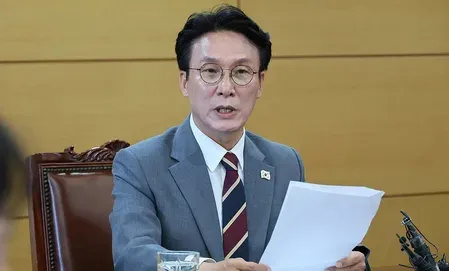
The National Election Commission (NEC) has issued an apology for the shortages but maintains that the disruption does not legally justify a rerun under existing election law. A joint team of police investigators and prosecutors has been tasked with investigating the NEC over the incident. The government, while affirming the right to peaceful assembly, has warned that any illegal acts of violence will not be tolerated.
Parliament Moves Toward a Formal Probe
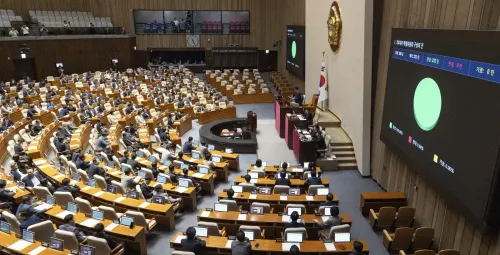
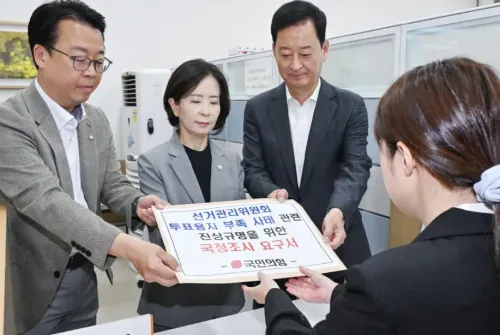
On 11 June, South Korea's National Assembly formally launched procedures for a potential parliamentary investigation into the ballot shortages. Requests for the probe were submitted separately by both the ruling Democratic Party (DP) and the main opposition People Power Party (PPP), with all lawmakers from each party sponsoring their respective requests — a rare show of cross-party convergence on the issue.
The move marks the first step toward establishing a special parliamentary committee to examine allegations of mismanagement by the NEC. However, the two parties differ on the scope of the probe and the allocation of committee seats, meaning negotiations are expected before the committee is formally constituted.
Special Counsel Debate Divides Ruling and Opposition
The PPP has argued for a separate special counsel investigation to run alongside the parliamentary probe. The DP, by contrast, has maintained that such a step should only be considered after the parliamentary inquiry concludes. PPP floor leader Jeong Jeom-sig raised the special counsel demand directly with Hong Ik-pyo, presidential secretary for political affairs. According to PPP spokesperson Choi Soo-jin, Hong indicated the presidential office would be open to a special counsel investigation if both parties reach an agreement.
National Assembly Speaker Cho Jeong-sik chaired a meeting at which rival parties reached a consensus to hold a plenary session as early as the following week to adopt a formal plan for the parliamentary probe.
What Comes Next
With protests now in their third week and both legislative and prosecutorial tracks running in parallel, pressure on the NEC and the government is mounting. Whether the parliamentary committee is constituted swiftly — and whether a special counsel probe follows — will shape public confidence in South Korea's electoral institutions ahead of future national votes.
Point of View
Once formed, has the independence and mandate to produce findings that the public — particularly the under-35 majority now dominating the protests — will actually trust.
NationPress
20 Sept 2026
Frequently Asked Questions
Why are people protesting in Seoul?
Protesters are demanding a rerun of South Korea's June 3 local elections after ballot paper shortages forced the suspension of voting at 26 polling stations. They allege the shortages amounted to election fraud, a claim the National Election Commission disputes.
How many people have joined the protests?
As of 3:30 pm on 21 June, an estimated 34,000 people were gathered at the SK Olympic Handball Gymnasium in Songpa, southern Seoul — the 17th consecutive day of demonstrations. Those aged between 20 and 30 accounted for more than half of the crowd.
What has the National Election Commission said about the ballot shortage?
The NEC has apologised for the ballot shortages but maintains they do not legally warrant a rerun under South Korean election law. A joint police and prosecutor team is investigating the commission over the incident.
What is the National Assembly doing about the election controversy?
On 11 June, the National Assembly launched formal procedures for a parliamentary investigation, with probe requests submitted by both the ruling Democratic Party and the opposition People Power Party. A plenary session to adopt the investigation plan was expected as early as the following week.
What is the dispute over a special counsel probe?
The People Power Party is calling for a special counsel investigation to run alongside the parliamentary inquiry, while the Democratic Party says such a step should only follow the parliamentary probe. The presidential office has said it would consider a special counsel if both parties reach an agreement.