South Korea ballot shortage probe: Rival parties launch 45-day parliamentary inquiry
Synopsis
South Korea's rival parties — the ruling Democratic Party and opposition People Power Party — have set aside their differences to jointly launch a 45-day parliamentary investigation into a ballot shortage that hit over 26 polling stations during the 3 June local elections. The probe's scope, committee composition, and exclusion of the presidential office all point to a carefully negotiated political settlement — but the real test is what the committee does with its findings.
Key Takeaways
South Korea's National Assembly was set to launch a 45-day parliamentary probe on 19 June 2025 into election ballot shortages.
The National Election Commission confirmed at least 26 polling stations nationwide faced ballot shortages during the 3 June local elections .
The bipartisan special committee has 18 members — 9 from the Democratic Party , 7 from the People Power Party , and 2 from non-negotiating parties.
Yoon Sang-hyun of the PPP has been nominated to chair the panel.
The presidential office and police have been excluded from the probe's scope after negotiations.
The PPP's push for a separate special counsel probe was deferred, pending the outcome of the parliamentary investigation.
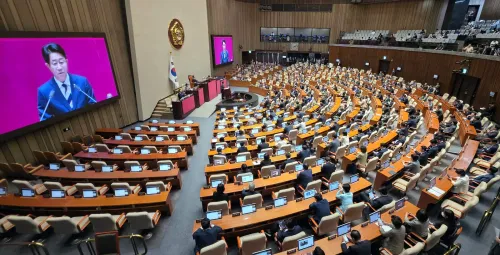
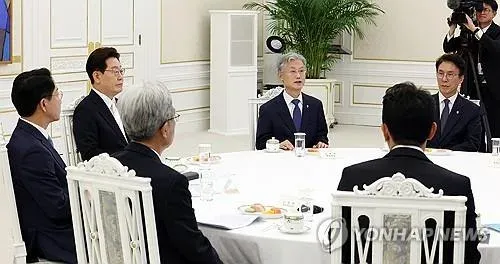
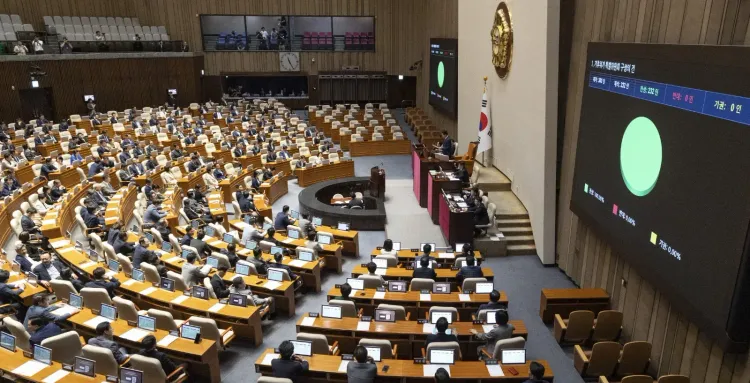
South Korea's National Assembly was set to formally launch a 45-day parliamentary investigation on Thursday, 19 June 2025, into an unprecedented shortage of ballot papers reported at polling stations during the 3 June local elections in Seoul. Both the ruling and opposition parties reached a cross-party agreement to initiate the probe, marking a rare moment of legislative consensus in a deeply polarised parliament.
What Triggered the Probe
The National Election Commission acknowledged that at least 26 polling stations nationwide experienced a temporary shortage of ballot papers on election day. The shortage was first flagged at more than a dozen polling stations in Seoul, raising concerns about the integrity of the electoral process and the watchdog body's preparedness. It is the first such incident of this scale in recent South Korean electoral history.
How the Committee Is Structured
The special committee was preemptively formed under a bipartisan agreement between the ruling Democratic Party (DP) and the main opposition People Power Party (PPP). The panel comprises nine members from the DP, seven from the PPP, and two from non-negotiating parties — a total of 18 members. Rep. Yoon Sang-hyun of the PPP has been nominated to chair the committee. The final composition and investigation mandate required approval at a plenary session of the National Assembly.
Scope of the Investigation
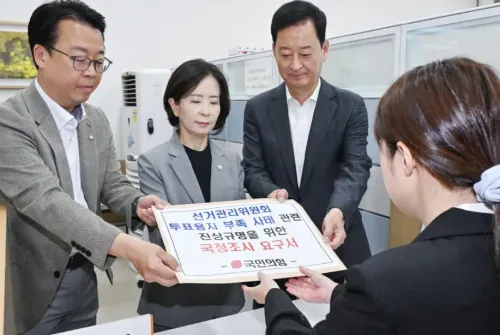
The probe will focus on the National Election Commission and its regional offices. Notably, the presidential office and police — which the PPP had earlier sought to include — have been excluded from the investigation's scope following negotiations. The PPP had also initially pushed for a separate special counsel probe, but the DP argued such a step should follow, not precede, the parliamentary inquiry. The two parties eventually settled on the parliamentary route first.
Political Context
The agreement, reached on Tuesday, 17 June, reflects a compromise on both the scope of the probe and the allocation of committee seats. This comes amid heightened scrutiny of South Korea's election management infrastructure, with opposition figures and civil society groups calling for accountability. The ballot shortage incident has fed into broader public debate about institutional reliability ahead of future national elections. How the committee handles its findings could shape demands for structural reform of the election watchdog.
Point of View
But the exclusion of the presidential office and police from the probe's scope signals that this is as much a managed exercise in damage control as it is a genuine accountability effort. The National Election Commission's admission of shortages at 26 stations is a serious institutional failure — and a 45-day parliamentary window with a pre-negotiated committee structure may not be sufficient to get to the root of it. South Korea's election infrastructure has long been regarded as robust; that reputation is now under pressure, and the committee's credibility will depend on whether it can act independently of the party arithmetic that shaped its formation.
NationPress
19 Sept 2026
Frequently Asked Questions
What is the South Korea ballot shortage parliamentary probe?
It is a 45-day bipartisan parliamentary investigation launched by the South Korean National Assembly into a shortage of ballot papers reported at more than 26 polling stations during the 3 June 2025 local elections. The probe targets the National Election Commission and its regional offices.
How many polling stations were affected by the ballot shortage?
The National Election Commission acknowledged that at least 26 polling stations nationwide experienced a temporary shortage of ballot papers on election day, 3 June 2025. The shortage was first widely reported at over a dozen stations in Seoul.
Who will lead the special parliamentary committee?
Rep. Yoon Sang-hyun of the People Power Party has been nominated to chair the 18-member special committee overseeing the probe. The panel includes members from both the ruling Democratic Party and the opposition PPP.
Why were the presidential office and police excluded from the probe?
Their exclusion was part of a negotiated compromise between the Democratic Party and the People Power Party on the scope of the investigation. The PPP had initially sought to include both institutions, but the DP resisted, and the final agreement limited the probe to the National Election Commission and its regional offices.
What happens after the 45-day investigation?
The committee's findings are expected to inform further action, which could include structural reforms to the National Election Commission. The PPP's demand for a separate special counsel probe remains on the table and may be revisited depending on what the parliamentary inquiry uncovers.