IRDAI mandates four-layer motor insurance from 15 December 2026

Synopsis
India's insurance regulator has overhauled motor cover in one of its most significant structural reforms in years — splitting every car and two-wheeler policy into four distinct layers from 15 December 2026, giving customers unprecedented choice while keeping third-party liability mandatory. The move is backed by a Supreme Court directive and must be live on the Bima Sugam platform by the same date.
Key Takeaways
IRDAI has introduced a four-layer motor insurance structure for private cars and two-wheelers, effective 15 December 2026 .
The four layers are: third-party liability , legal liability for occupants/pillion riders , personal accident cover , and own-damage cover .
Third-party liability remains mandatory; the other three covers are optional.
Insurers must issue a Customer Information Sheet and a uniform option form at every point of sale.
Existing policyholders can add pillion/occupant liability cover mid-policy by paying an additional premium.
All products must be integrated with the Bima Sugam platform by 15 December 2026 , as directed by the regulator in compliance with a Supreme Court order.
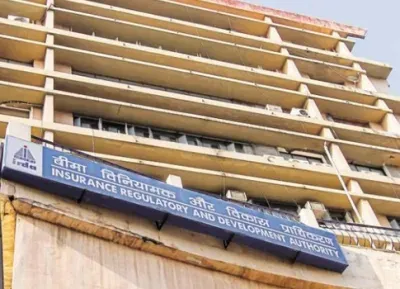
The Insurance Regulatory and Development Authority of India (IRDAI) has mandated a new four-layer structure for motor insurance policies covering private cars and two-wheelers, effective 15 December 2026. The revised framework, announced in New Delhi, is designed to improve customer choice and transparency by clearly separating each component of a motor policy.
How the Four-Layer Structure Works
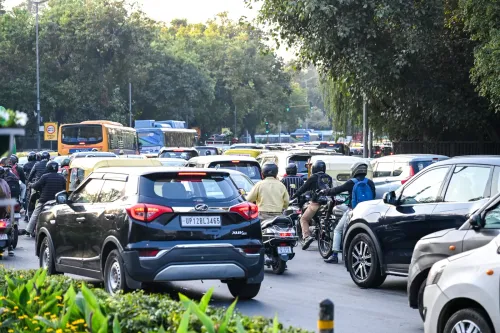
Under the new framework, every motor policy will be divided into four distinct sections: third-party liability, legal liability for occupants or pillion riders, personal accident cover, and own-damage cover for the insured vehicle.
Third-party liability insurance will remain compulsory, as required under existing law. The remaining three covers — including legal liability for pillion riders and personal accident protection — will be optional, subject to regulations governing compulsory personal accident cover for vehicle owners.
Standardised Wording and Customer Option Form
IRDAI has directed all general insurers to adopt standardised policy wording for private cars and two-wheelers. Insurers must also introduce a uniform customer option form through which policyholders can select the specific covers they wish to purchase.
At the time of purchase, insurers will be required to issue a Customer Information Sheet detailing the coverage available under each section and the corresponding premium, enabling buyers to make better-informed decisions. Policyholders will be able to exercise their choices through both online and offline channels.
Flexibility for Existing Customers and Insurers
Existing policyholders will be permitted to add legal liability cover for occupants or pillion riders mid-policy by paying an additional premium — a provision that significantly broadens access without requiring policy renewal.
While product structures and policy wording are being standardised, insurers will retain the flexibility to design new products and set their own pricing for own-damage covers based on prevailing market conditions.
Bima Sugam Integration and Supreme Court Backdrop
The circular was issued in compliance with a Supreme Court order in the case of National Insurance Company Ltd versus Thungala Dhana Laxmi and others, according to the regulator. IRDAI has also directed insurers to complete integration of the new structure with the Bima Sugam platform so that the products become available on the digital insurance marketplace from 15 December 2026.
This comes amid broader regulatory efforts to simplify insurance products and deepen penetration across India's vehicle-owning population, estimated at several hundred million. The December deadline gives insurers roughly six weeks to overhaul systems, standardise documentation, and complete platform integration.
Point of View
Retrain agents, and integrate with Bima Sugam, insurers face a tight deadline that could produce compliance on paper but confusion at the point of sale. The Supreme Court's hand in triggering this circular is also worth noting — it suggests the industry did not move voluntarily. India's motor insurance penetration remains low relative to vehicle ownership; whether this reform actually expands coverage or merely reshuffles existing buyers depends on how aggressively the regulator monitors the optional-cover uptake after December.
NationPress
4 Nov 2026
Frequently Asked Questions
What is IRDAI's new four-layer motor insurance structure?
It is a revised framework mandated by the Insurance Regulatory and Development Authority of India (IRDAI), effective 15 December 2026, that splits motor insurance for private cars and two-wheelers into four separate sections: third-party liability, legal liability for occupants or pillion riders, personal accident cover, and own-damage cover. The structure allows customers to select only the covers they need, with third-party liability remaining the sole mandatory component.
When does the new motor insurance structure take effect?
The new four-layer motor insurance framework comes into effect on 15 December 2026. By that date, all general insurers must also complete integration with the Bima Sugam digital platform so that the new products are available online.
Which covers are mandatory and which are optional under the new rules?
Third-party liability insurance remains compulsory under law. The other three covers — legal liability for occupants or pillion riders, personal accident cover, and own-damage cover — are optional, subject to existing regulations on compulsory personal accident insurance for vehicle owners.
Can existing policyholders benefit from the new structure?
Yes. Existing customers will be allowed to add legal liability cover for occupants or pillion riders during their current policy period by paying an additional premium, without having to wait for renewal.
Why did IRDAI introduce this change?
IRDAI issued the circular in compliance with a Supreme Court order in the case of National Insurance Company Ltd versus Thungala Dhana Laxmi and others. The regulator said the broader aim is to improve transparency and customer choice by clearly separating each component of motor insurance policies.