Chinese EVs at US overseas bases: Security risk report flags BYD, data threat
Synopsis
Chinese EVs are quietly collecting camera footage, access codes, and route data at some of the most sensitive US military installations overseas — and several allied nations have yet to act. From 190 BYD-linked cars registered at South Korean F-35 and submarine bases to a Norwegian Home Guard exercise that inadvertently recorded gate codes, the threat is no longer theoretical. Washington has banned these vehicles at home; the harder question is whether its allies will follow before the data leaves.
Key Takeaways
Kadena Air Base on Okinawa banned BYD vehicles from 26 October , citing 'unacceptable and unmitigable risk.' The US Commerce Department bars Chinese connected-vehicle software from model year 2027 and hardware from 2030 .
At least 190 Chinese connected cars are registered to enter South Korean military sites, including F-35 and submarine bases.
Unregistered Chinese vehicles entered South Korean naval facilities at least 565 times this year, according to navy records.
Norway's Home Guard discovered that Changan Deepal rental cars stored camera footage and gate access codes during a military exercise in September .
Privacy policies of MG (SAIC) and Xpeng explicitly allow personal data to be processed by their parent companies in China .
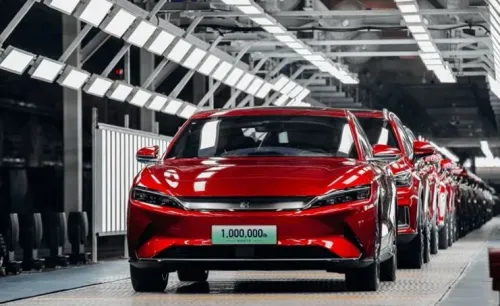
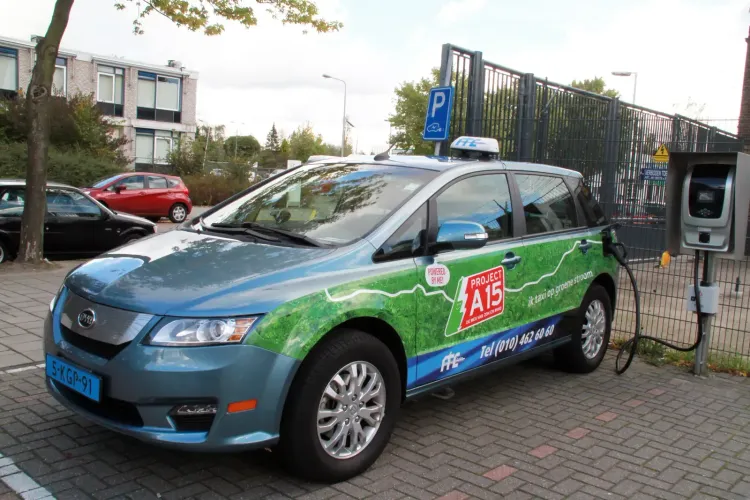
Chinese electric vehicles (EVs) deployed near or inside US military bases overseas pose a serious espionage risk, capable of storing camera footage of sensitive locations and routing it to servers in China, according to an analysis published in The National Interest. The report, authored by Christopher Nye, warns that while the United States has moved to restrict China-linked vehicles domestically and on its own bases, several allied countries hosting American troops have yet to follow suit.
Kadena Ban and the US Regulatory Push
Starting 26 October, Kadena Air Base on Okinawa, Japan banned vehicles manufactured by BYD — the Chinese electric-vehicle giant — from entering its premises. The ban covers private cars, taxis, vans, and contractor vehicles. A base spokesperson stated that the vehicles 'present an unacceptable and unmitigable risk to our personnel and our mission.'
Back in the United States, a Commerce Department rule bars Chinese connected-vehicle software from model year 2027 and hardware from 2030, and prohibits Chinese-controlled automakers from selling connected cars in America from model year 2027 onward, regardless of where those vehicles are assembled. In June, the department denied Polestar — the Swedish brand owned by China's Geely — the authorisation required to sell cars in the US from model year 2027, even though one of its models is assembled in South Carolina. That same month, the Pentagon added BYD to its list of Chinese military companies.
Allied Nations Still Allowing Chinese EVs on Sensitive Sites
The report highlights a critical gap: American troops stationed overseas are subject to allied laws, and not all host nations have imposed similar restrictions. In South Korea, at least 190 Chinese connected cars are registered to enter military sites, according to a report by The Chosun Ilbo on 16 October. The affected bases include the Cheongju base that flies F-35s, the Yecheon wing receiving the first KF-21s, the Busan naval command where American carriers berth, and the submarine command at Jinhae.
A week earlier, the JoongAng Ilbo cited navy records showing that unregistered Chinese vehicles had entered South Korean naval facilities at least 565 times this year. Seoul's defence ministry has said it will restrict connected cars at sensitive sites by year's end.
Norway's Home Guard Exercise Exposes Data Risk
In September, Norway's Home Guard conducted an exercise at Oslo's airport using rental cars that included Deepal models from Changan, a state-controlled Chinese automaker. When soldiers interacted with the vehicles' touchscreens, they discovered stored camera footage documenting who had entered and exited the vehicles, the routes driven, and the access codes used to open gates and doors at military facilities.
An official at Norway's National Security Authority said, 'We don't know for sure where the information is sent or what it's used for.' The incident underscores how connected-vehicle data collection can occur passively, without deliberate activation by the driver.
What Automakers' Own Policies Reveal
The analysis points to Chinese automakers' own privacy disclosures as evidence of potential data transfer pathways. MG, a brand of the state-owned SAIC group, tells British customers that in 'specific and clearly defined cases' their personal data 'may also be processed in China' by its parent company in Shanghai. Xpeng's British privacy policy allows transfers to 'our affiliates, such as our headquarters in China.'
Critics argue these contractual provisions create a legal channel for sensitive location and behavioural data to flow to Chinese entities, even absent any overt cyber intrusion. This comes amid broader Western scrutiny of Chinese technology in critical infrastructure, from telecoms to port equipment.
What Happens Next
The focus is now on whether Washington will push allied governments to harmonise vehicle-access policies at shared military facilities. South Korea has signalled intent to act by year's end, but the timeline and enforcement mechanism remain unclear. As more allied nations expand their EV fleets — often driven by green-transition mandates — the intersection of climate policy and national security is likely to sharpen into a live diplomatic issue.
Point of View
Not speculative: Chinese automakers' own privacy policies confirm that data collected by their vehicles can travel to parent companies in Shanghai. The gap between US domestic policy — which now bars Chinese connected-vehicle software from 2027 — and the reality on allied bases is a governance failure that Washington has not yet addressed through diplomatic channels. South Korea's 565 unregistered Chinese-vehicle entries into naval facilities this year alone suggest the problem is active, not hypothetical. The deeper irony is that Western green-transition mandates are accelerating the adoption of exactly the vehicles that intelligence agencies are flagging as risks.
NationPress
4 Nov 2026
Frequently Asked Questions
Why are Chinese electric vehicles considered a security risk at US military bases?
Chinese EVs are equipped with cameras, sensors, and connectivity hardware that can store footage of sensitive locations, record access codes, and log routes — data that, according to the analysis, can be transmitted to servers in China. The concern is that this data collection occurs passively, without any active interference, through the vehicles' standard connected-car features.
Which US military base has banned BYD vehicles, and when did the ban take effect?
Kadena Air Base on Okinawa, Japan, banned BYD vehicles from 26 October. The ban covers private cars, taxis, vans, and contractors, with a base spokesperson describing the vehicles as presenting 'an unacceptable and unmitigable risk to our personnel and our mission.'
What has the US government done domestically to restrict Chinese connected vehicles?
A US Commerce Department rule bars Chinese connected-vehicle software from model year 2027 and Chinese hardware from 2030. From model year 2027, Chinese-controlled automakers are also prohibited from selling connected cars in the United States regardless of where they are built. The Pentagon added BYD to its list of Chinese military companies in June.
How serious is the risk at South Korean military bases?
At least 190 Chinese connected cars are registered to enter South Korean military sites, including bases operating F-35 fighters, KF-21 aircraft, US carrier berths, and submarine commands. Separately, navy records show unregistered Chinese vehicles entered South Korean naval facilities at least 565 times this year. Seoul's defence ministry has pledged to restrict access at sensitive sites by year's end.
What did the Norway Home Guard incident reveal about Chinese EV data risks?
During a September exercise at Oslo's airport, Norway's Home Guard used rental cars including Changan Deepal models. Soldiers found stored footage of passengers, routes driven, and gate and door access codes used at military facilities. A Norwegian National Security Authority official acknowledged uncertainty about where that data is ultimately sent or how it is used.