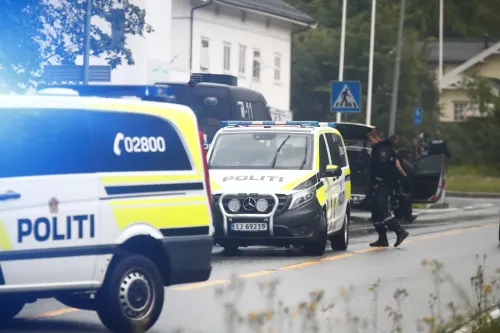
Chinese-made rental cars recorded sensitive data in Norwegian military drill

Synopsis
Rental cars made by Chinese state-controlled automaker Changan silently recorded military access codes, routes, and personnel movements during a Norwegian defence exercise at Oslo Airport — and soldiers kept using them anyway because no alternatives were available. The incident exposes a structural blind spot in how NATO militaries procure commercial transport, and Norway's response stops short of a ban.
Key Takeaways
Chinese-made Deepal vehicles supplied by Hertz Norge recorded sensitive data during a Norwegian military exercise at Oslo Airport between 14 and 18 September .
Recordings allegedly captured access codes to secure facilities , personnel movements, and routes taken during the exercise.
Norwegian Home Guard spokesperson Lt Col Per Gunnar Grosberghaugen confirmed videos were found stored in the vehicles' onboard systems.
It remains unclear whether any data was transmitted to third parties or stored on external servers.
Soldiers continued using the vehicles despite the discovery because no suitable alternatives were available; stored videos were later deleted.
Norwegian defence authorities are considering site-specific sensor restrictions rather than a blanket ban on Chinese-made vehicles.
Chinese-manufactured rental vehicles deployed during a Norwegian military exercise in September 2025 recorded sensitive information — including access codes to secure facilities and the movements of military personnel — according to a report by Norwegian newspaper Dagens Naeringsliv, cited by the South China Morning Post. The findings have reignited global concerns over the data-collection capabilities of internet-connected vehicles used in defence-sensitive environments.
What Happened During the Oslo Airport Exercise
The security exercise took place at Oslo Airport between 14 and 18 September, according to the report. Soldiers waiting inside the rental vehicles reportedly accessed the cars' onboard systems and discovered videos captured by built-in cameras and sensors.
The recordings allegedly showed personnel entering and exiting the vehicles, routes taken during the exercise, and codes used to access military facilities — a significant potential security exposure. The vehicles in question were rental cars supplied by Hertz Norge, with at least two identified as Deepal models manufactured by Chinese state-controlled automaker Changan.
Military Confirmation and Unanswered Questions
Norwegian Home Guard spokesperson Lieutenant Colonel Per Gunnar Grosberghaugen confirmed that soldiers found videos stored within the vehicles' systems. However, authorities said it remains unclear whether any of the recordings were transmitted to third parties or stored on external servers — a critical gap that the report acknowledges remains unresolved.
Notably, despite discovering the recordings mid-exercise, military personnel reportedly continued using the vehicles until the operation concluded because suitable alternatives were unavailable. The stored videos were subsequently deleted.
The Broader Connected-Vehicle Security Concern
The incident spotlights a systemic vulnerability that defence planners worldwide are grappling with. Modern vehicles increasingly rely on cameras, sensors, and software systems that continuously collect and process large volumes of data. Questions about where such data is stored, how long it is retained, and who can access it have grown more urgent as governments and militaries routinely use commercially leased vehicles for logistics and personnel transport.
This is not the first time Chinese-manufactured connected vehicles have drawn scrutiny from Western governments. The United States, United Kingdom, and several European Union member states have separately raised concerns about data flows from Chinese-made cars and telecoms equipment over the past two years.
Norway's Response: Targeted Restrictions, Not a Ban
Norwegian defence authorities indicated they do not currently favour a blanket ban on Chinese-made vehicles, arguing that the potential security benefits may not outweigh the operational challenges of sourcing alternatives at scale.
Instead, officials are reportedly considering site-specific restrictions — prohibiting vehicles equipped with cameras and advanced sensors from accessing particularly sensitive locations, regardless of the country of origin. Critics argue this approach, while pragmatic, may underestimate the risk posed by data that is passively collected before vehicles even reach a restricted perimeter.
As connected-vehicle fleets expand and military-commercial boundaries blur, the Oslo incident is likely to inform new procurement and operational security guidelines across NATO member states.
Point of View
Sensor-laden vehicles into sensitive environments without standardised data-security vetting. Norway's decision to avoid a blanket ban is pragmatically understandable, but site-specific camera restrictions do not address the more insidious risk — passive data collection that occurs well before a vehicle reaches a restricted zone. As Chinese automakers expand their global rental-fleet footprint under state ownership, the question is no longer whether this will happen again, but how much data has already been collected undetected.
NationPress
18 Oct 2026
Frequently Asked Questions
What data did the Chinese-made cars record during the Norwegian military exercise?
The vehicles allegedly recorded videos showing personnel entering and exiting cars, routes taken during the exercise, and codes used to access secure military facilities. The recordings were captured by built-in cameras and sensors in the onboard systems of the rental vehicles.
Which vehicles and companies were involved?
The vehicles were rental cars supplied by Hertz Norge, with at least two identified as Deepal models manufactured by Chinese state-controlled automaker Changan. The exercise took place at Oslo Airport between 14 and 18 September.
Was the data transmitted to any outside party?
Norwegian authorities confirmed that videos were found stored in the vehicles' systems, but said it remains unclear whether any recordings were transmitted to third parties or stored on external servers. The stored videos were subsequently deleted.
Why did Norwegian soldiers keep using the cars after discovering the recordings?
Military personnel reportedly continued using the vehicles until the exercise concluded because suitable alternative transport was unavailable at the time. The discovery was made mid-exercise, leaving commanders with no practical option to switch vehicles.
What action is Norway taking in response?
Norwegian defence authorities have said they do not favour a blanket ban on Chinese-made vehicles. Instead, they are considering site-specific restrictions that would prohibit vehicles equipped with cameras and advanced sensors from accessing particularly sensitive locations, regardless of the country of manufacture.