Is Israel’s Withdrawal of Chinese Vehicles a Response to Espionage Fears?
Synopsis
Amid rising concerns about espionage, Israel has taken decisive action by withdrawing Chinese-manufactured vehicles used by military officers. This decision stems from fears that Chinese investments in infrastructure could compromise national security and expose sensitive information. Discover how these developments may influence Israel’s security landscape.
Key Takeaways
Israel is withdrawing Chinese-manufactured vehicles amid security concerns.
Fears of espionage have prompted heightened vigilance within the Israeli military .
Chinese investments in infrastructure raise alarms about intelligence risks.
Security measures have been implemented to protect sensitive information.
The IDF is taking decisive actions to mitigate potential threats.
Tel Aviv, Jan 23 (NationPress) The increasing presence of China in Israeli infrastructure and port projects, notably at the Port of Haifa, has led Israeli security research centers to intensively monitor these developments. Concerns have arisen that such Chinese investments could allow Beijing to gather intelligence on Israeli military capabilities and sensitive US technological secrets, according to a report released on Friday.
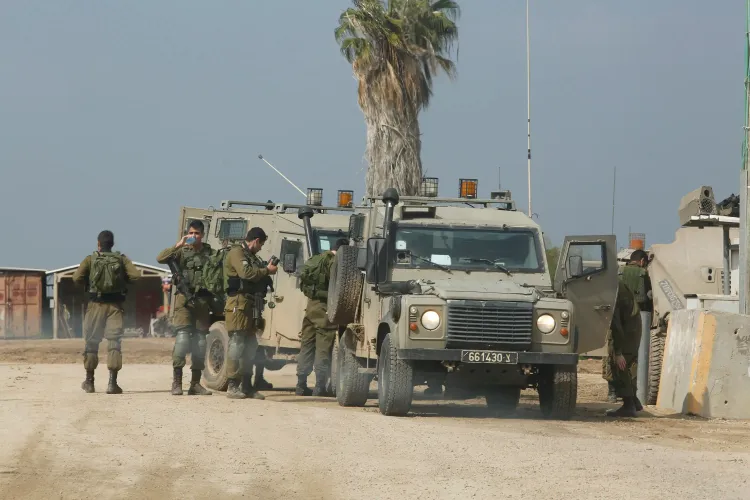
The report from ‘Modern Diplomacy’ reveals that the Israeli Ministry of Defence and Israel Defence Forces (IDF) Chief of Staff, Eyal Zamir, mandated the withdrawal of numerous Chinese-manufactured vehicles from their officers late in 2025 as a part of heightened security protocols, driven by apprehensions of espionage orchestrated by China.
“As a result, the IDF finalized a decision in late 2025 to withdraw and substitute hundreds of Chinese-made vehicles utilized by its officers due to security worries concerning espionage and data collection. Before this comprehensive withdrawal, the IDF and the Ministry of Defence had already enacted several restrictive measures for military personnel using these vehicles,” the report elaborated.
“The IDF had forbidden the entry of Chinese vehicles (whether owned by the IDF or military personnel) into military bases and sensitive facilities, compelling their owners to park them in specified areas outside military zones in Israel. Security sources and the Mossad pointed out that several Chinese vehicles were outfitted with systems including cameras, microphones, sensors, and communication technologies that could transmit data to external servers, often without the user's or local importer's consent,” the report further noted.
The apprehensions within the Israeli military primarily arise from the potential deployment of Chinese automotive technologies to bolster Beijing's digital espionage framework. Israeli security officials cautioned that the intelligence systems and proprietary software within these vehicles could harvest sensitive information, including geographic data, via Chinese GPS tracking and monitoring satellites.
Despite prior attempts to mitigate risks by sanitizing multimedia systems in Chinese-made vehicles and disabling certain functionalities in their computer systems, Israeli cyber experts determined that these measures did not sufficiently prevent data breaches by Beijing and were inadequate for ensuring complete security.
“Ultimately, the Israeli military resolved to withdraw all Chinese vehicles due to espionage concerns related to Beijing. This decision was influenced by security reports indicating that these technologically advanced Chinese cars were fitted with cameras, microphones, sensors, and sophisticated GPS tracking systems operating within closed systems,” the report concluded.
Point of View
It's my duty to assure that our reporting remains unbiased and factual. The concerns raised by Israel regarding Chinese investments highlight the delicate balance of national security and international relations. While vigilance is crucial, it is also important to approach such situations with a fair perspective, ensuring that security measures are both justified and proportionate.
NationPress
20 Sept 2026
Frequently Asked Questions
Why is Israel withdrawing Chinese vehicles?
Israel is withdrawing Chinese vehicles due to security concerns related to potential espionage and data collection capabilities embedded in these vehicles.
What specific threats do these vehicles pose?
These vehicles may be equipped with technologies that can transmit sensitive data to external servers, raising alarms about intelligence breaches.
How is the Israeli government responding?
The Israeli government, particularly through the IDF and Ministry of Defence, is implementing measures to withdraw and replace these vehicles to enhance security.
What is the impact of Chinese investments in Israel?
Chinese investments in Israeli infrastructure, such as the Port of Haifa, have sparked concerns about national security, particularly regarding military capabilities.
What measures have been taken to secure military operations?
The IDF has prohibited the entry of Chinese vehicles into military bases, mandating that they be parked in designated areas outside military zones.