South Korea ex-election chief banned from leaving amid ballot shortage probe
Synopsis
South Korea's ballot shortage crisis has escalated sharply: the former election commission chief is now barred from leaving the country, parliament has launched cross-party probe procedures, and a 13-hour raid has yielded documents that could expose how voting at 26 stations was allowed to collapse on election day. The question is no longer whether the NEC failed — it's who decided what, and when.
Key Takeaways
South Korea's justice ministry imposed a travel ban on Roh Tae-ak , former NEC chairperson, and other key officials on Friday, 13 June .
Investigators conducted a 13-hour raid on the NEC's Gwacheon headquarters and Seoul offices on Thursday, seizing ballot printing plans, budgets, and meeting minutes.
Ballot shortages disrupted voting at 26 polling stations nationwide , mostly in Seoul's Songpa Ward , during the June 3 local elections .
South Korea's National Assembly initiated formal procedures for a parliamentary investigation, with both the ruling DP and opposition PPP submitting separate requests.
The PPP is pushing for a parallel special counsel probe; the DP wants to wait until the parliamentary inquiry concludes first.
A plenary session to adopt the parliamentary probe plan could be held as early as next week .
South Korea's justice ministry has imposed a travel ban on Roh Tae-ak, former chairperson of the National Election Commission (NEC), as investigators deepen their probe into critical ballot shortages that disrupted the country's June 3 local elections. The ban, approved on Friday, 13 June, also covers other key NEC officials, according to judiciary sources.
What Triggered the Travel Restrictions
The travel ban followed a 13-hour raid conducted by investigators on Thursday at the NEC's headquarters in Gwacheon, just south of Seoul, and at local offices in the capital that experienced the shortages. Investigators reportedly secured documents detailing ballot printing plans, budget records, and meeting minutes. Authorities now plan to analyse this material and examine the decision-making process behind ballot printing, as well as communications between polling stations and the NEC on election day.
Scale of the Disruption
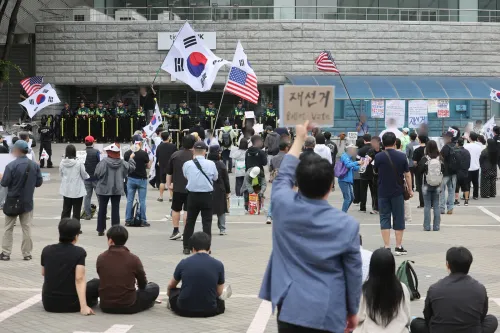
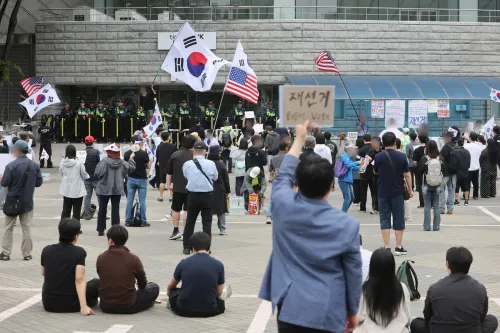
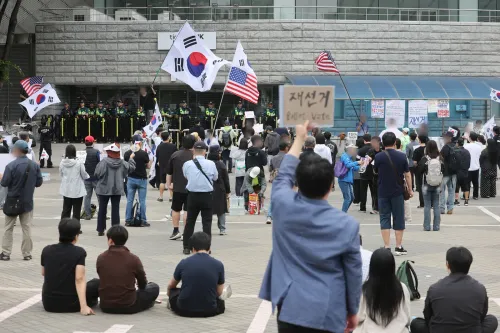
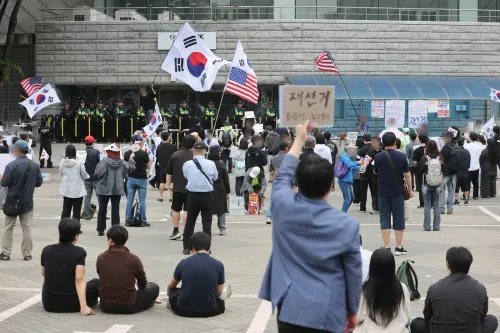
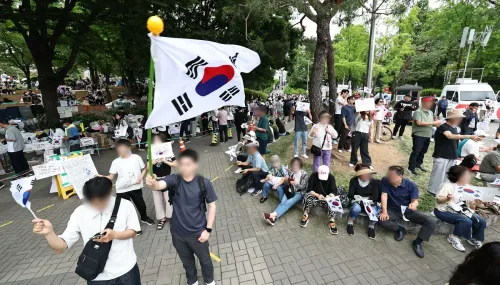
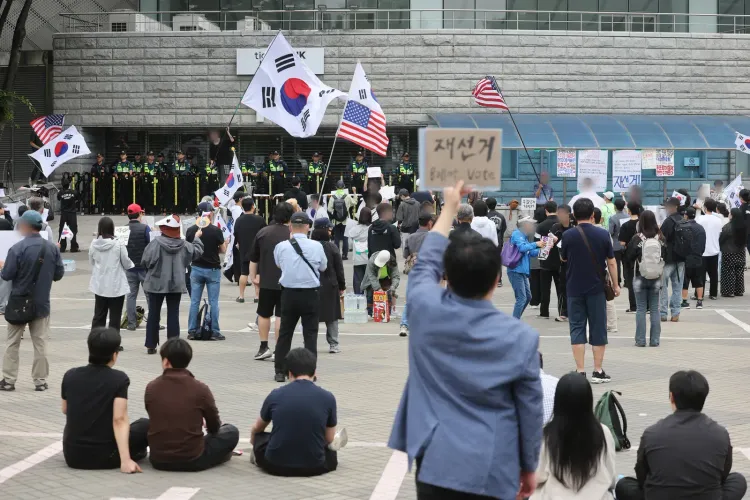
The ballot shortages temporarily suspended voting at 26 polling stations nationwide, with the heaviest impact felt in Seoul's Songpa Ward, according to the NEC. The incident prompted protesters to gather outside a vote-counting facility in Songpa Ward, demanding a re-run of the elections — an extraordinary public response that underscored the depth of public distrust in the electoral process.
Parliament Moves to Investigate
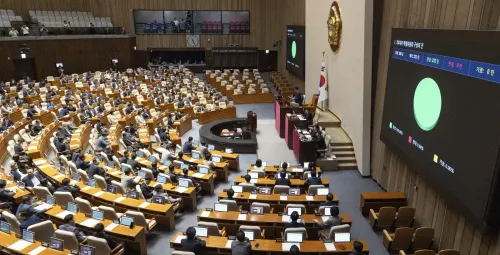
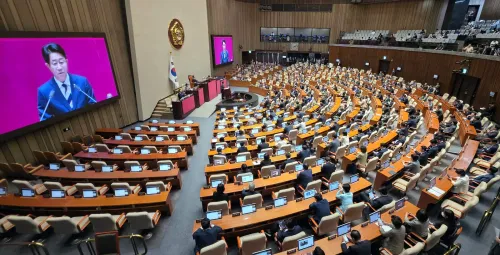
On Thursday, South Korea's National Assembly launched formal procedures for a potential parliamentary investigation into the ballot shortages. Requests for the probe were submitted separately by the ruling Democratic Party (DP) and the main opposition People Power Party (PPP), with all lawmakers from each party sponsoring their respective requests — a rare show of cross-party alignment. The move marks the first step toward establishing a special parliamentary committee to examine allegations of mismanagement by the NEC during the voting process.
Where the Parties Differ
Despite the shared urgency, the DP and the PPP remain divided on the scope and structure of any probe. The PPP has argued for a separate special counsel investigation to run alongside the parliamentary inquiry, while the DP has maintained that such a step should be considered only after the parliamentary probe concludes. National Assembly Speaker Cho Jeong-sik chaired a meeting at which rival parties agreed to hold a plenary session as early as next week to adopt a plan. Separately, PPP floor leader Jeong Jeom-sig met with Hong Ik-pyo, presidential secretary for political affairs, to press for a special counsel probe. Hong indicated the presidential office would be open to the idea if the parties reach a consensus, according to PPP spokesperson Choi Soo-jin.
What Comes Next
Investigators will continue analysing the seized documents while the National Assembly negotiates the composition and mandate of its proposed special committee. The outcome of those negotiations — particularly the number of seats allocated to each party — is expected to determine how quickly and how deeply the inquiry can proceed. With both the criminal investigation and a potential parliamentary committee now in motion, the NEC faces its most serious institutional crisis in recent memory.
Point of View
Or at minimum, a paper trail serious enough to warrant containment. The cross-party consensus in parliament is politically notable: when the DP and PPP agree on anything, the underlying crisis is real. What remains unanswered is whether the ballot shortages were the result of negligence, budget mismanagement, or something more deliberate — and the seized documents may be the only way to find out. South Korea's democratic credibility, already tested by recent political turbulence, cannot afford an inconclusive investigation.
NationPress
20 Sept 2026
Frequently Asked Questions
Why has South Korea imposed a travel ban on the former NEC chief?
The justice ministry imposed the travel ban on former NEC chairperson Roh Tae-ak as part of a criminal investigation into ballot shortages that disrupted the June 3 local elections. Investigators are examining the decision-making process behind ballot printing and communications on election day.
How serious were the ballot shortages during South Korea's June 3 elections?
Ballot shortages temporarily suspended voting at 26 polling stations across the country, with the worst disruption in Seoul's Songpa Ward. The incident triggered public protests outside a vote-counting facility in Songpa Ward, with demonstrators demanding a re-run of the elections.
What did investigators find during the NEC raid?
A 13-hour raid on the NEC's Gwacheon headquarters and Seoul offices on Thursday yielded documents detailing ballot printing plans, budget records, and meeting minutes. Investigators plan to analyse these to trace how the shortages occurred and who was responsible for key decisions.
What is South Korea's parliament doing about the ballot shortage?
The National Assembly has launched formal procedures for a parliamentary investigation, with both the ruling Democratic Party and the opposition People Power Party submitting separate probe requests. A plenary session to formalise the inquiry could be held as early as next week.
Will South Korea launch a special counsel probe into the NEC?
The People Power Party is pushing for a special counsel investigation alongside the parliamentary probe, but the Democratic Party wants to wait for the parliamentary inquiry to conclude first. The presidential office has signalled openness to a special counsel if the parties reach agreement.