South Korea's Lee orders probe into ballot shortage that hit local elections
Synopsis
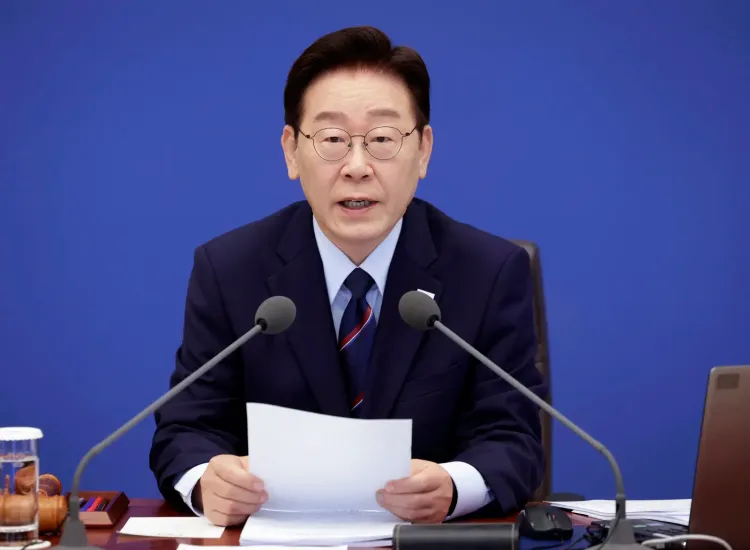
South Korea's President Lee Jae Myung has called the ballot shortage that disrupted last week's local elections a direct threat to popular sovereignty — and has now ordered a joint prosecutor-police task force to find out how it happened. With the NEC chief and secretary general both offering to resign and thousands still protesting in Seoul, the crisis is escalating into a full-blown test of the country's democratic institutions.
Key Takeaways
President Lee Jae Myung expressed deep regret on 7 June over ballot shortages that disrupted South Korea's local elections.
Lee ordered the formation of a joint investigation task force involving prosecutors and police to establish responsibility.
A dozen locations in Seoul , including Songpa district , reported ballot shortages, forcing temporary suspension of voting.
NEC Chairman Roh Tae-ak and NEC Secretary General Heo Cheol-hoon both offered to resign over the incident.
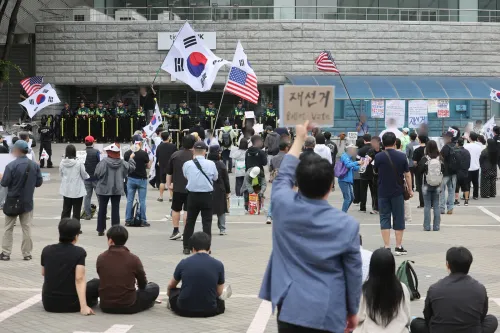
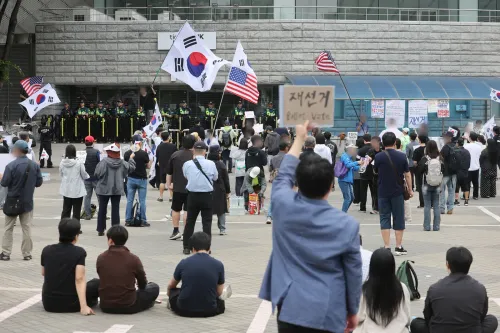
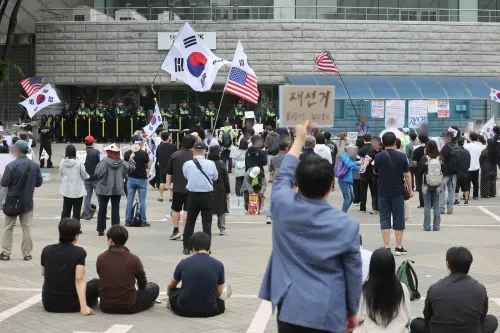
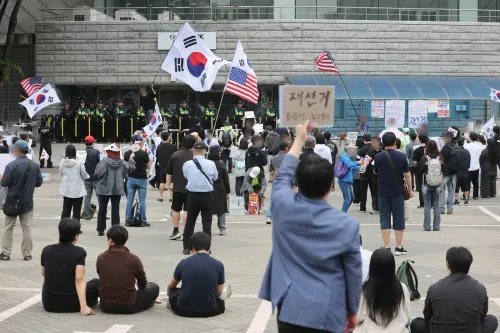
Thousands of protesters rallied near a Seoul vote-counting facility for a third consecutive day , demanding a new election.
Prime Minister Kim Min-seok pledged all available legal and legislative means to uncover the truth.
South Korean President Lee Jae Myung on Sunday, 7 June expressed deep regret over ballot shortages that disrupted the country's local elections the previous week and directed the formation of a joint investigation task force involving prosecutors and police to establish accountability. The crisis has shaken public confidence in South Korea's election administration and sparked sustained street protests.
What Lee Said
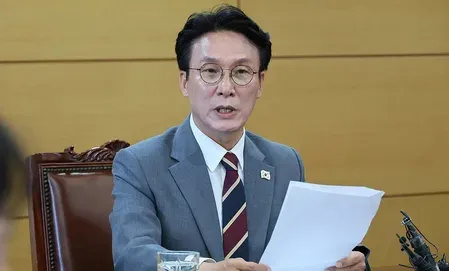
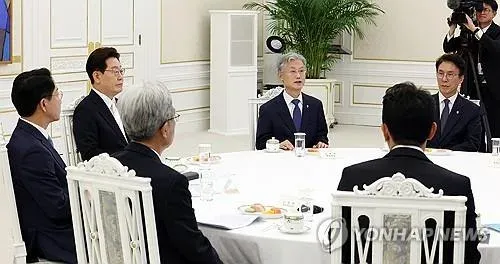
In a post on X (formerly Twitter), President Lee described the ballot shortage as a direct assault on constitutional rights. 'The people's right to vote is a constitutional right that must not be restricted or infringed upon for any reason, and this is a serious issue that undermines the foundation of popular sovereignty,' he wrote, adding that the National Election Commission (NEC) had become 'an institution that lost public trust.'
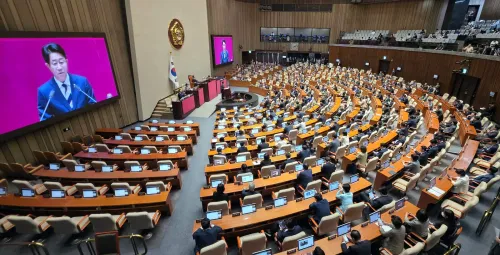
'As a citizen and as the president responsible for the government, I express my deep regret,' Lee stated. He also called on the National Assembly to launch a parliamentary inquiry to determine what happened, devise preventive measures, and discuss institutional reforms for the election watchdog.
Key Developments in the Ballot Crisis
A dozen locations across Seoul — including the eastern Songpa district — reported ballot shortages during Wednesday's elections, forcing the temporary suspension of voting at the affected polling stations. The disruptions triggered immediate public outrage. Thousands of protesters have been rallying near a vote-counting facility in eastern Seoul for a third consecutive day, demanding that a fresh election be held.
Following the controversy, NEC Chairman Roh Tae-ak and NEC Secretary General Heo Cheol-hoon both offered to resign, taking personal responsibility for the failure.
Investigative Response
The Supreme Prosecutors' Office confirmed it will form a joint investigation team with the police to resolve the case as swiftly as possible. The two agencies plan to begin working-level talks to finalise the schedule and scope of the probe. This marks a rare convergence of prosecutorial and police resources on an electoral administration matter in South Korea.
Prime Minister Weighs In
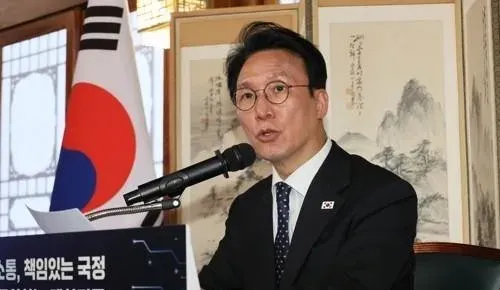
Earlier on Sunday, South Korean Prime Minister Kim Min-seok pledged the government's full commitment to uncovering the truth. Speaking at a meeting with representatives of university student councils, Kim called the shortages an infringement on the right to vote and a challenge to democracy. 'If there are any measures available under current law, we will use every possible means,' he said. 'If legislative amendments are necessary, we will pursue them even if it takes time.'
What Comes Next
With both the head of state and the prime minister publicly demanding accountability, and the NEC's top two officials having offered to step down, pressure is mounting on South Korea's election authorities to deliver a credible explanation. The outcome of the joint investigation — and whether the National Assembly proceeds with a formal parliamentary inquiry — will determine how deeply the country's electoral institutions are reformed ahead of future polls.
Point of View
A remarkable public rebuke. What is striking is the speed at which the political establishment has rallied around the narrative of institutional failure: both the head of state and the prime minister have framed this as a democratic emergency, which raises the stakes for the investigation considerably. If the joint probe cannot deliver a credible, transparent account of what went wrong, the demand for a fresh election — currently coming from street protesters — could find its way into the legislature.
NationPress
22 Oct 2026
Frequently Asked Questions
What caused the ballot shortage in South Korea's local elections?
Ballot shortages were reported at a dozen locations across Seoul, including the Songpa district, during Wednesday's local elections, forcing temporary suspensions of voting at affected polling stations. The exact cause is under investigation by a joint prosecutor-police task force ordered by President Lee Jae Myung.
What action has President Lee Jae Myung taken over the ballot shortage?
President Lee ordered the formation of a joint investigation task force involving prosecutors and police to establish responsibility and investigate the full scope of the incident. He also called on the National Assembly to launch a parliamentary inquiry and consider institutional reforms to the National Election Commission.
Have any officials resigned over the South Korea ballot shortage?
Yes. NEC Chairman Roh Tae-ak and NEC Secretary General Heo Cheol-hoon both offered to resign, taking personal responsibility for the ballot shortage that disrupted the local elections.
What are protesters in Seoul demanding?
Thousands of protesters have been rallying near a vote-counting facility in eastern Seoul for a third consecutive day, demanding that a new election be held in the wake of the ballot shortage controversy.
What did South Korean Prime Minister Kim Min-seok say about the crisis?
Prime Minister Kim Min-seok called the ballot shortages an infringement on the right to vote and a challenge to democracy. He pledged to use every available legal measure to uncover the truth, and said the government would pursue legislative amendments if necessary.