South Korea recalls Ukraine envoy over North Korean POW disclosure row
Synopsis
South Korea has recalled its ambassador to Ukraine in a rare diplomatic escalation after President Zelensky publicly disclosed the transfer of two North Korean POWs to Seoul at the UN General Assembly — a move Seoul says violated a prior confidentiality agreement. With Kyiv yet to issue a formal apology, the dispute lays bare the geopolitical tightrope Seoul walks between supporting Ukraine and managing its North Korea policy.
Key Takeaways
South Korea recalled its ambassador Park Ki-chang from Kyiv on 8 October 2026 over a diplomatic dispute with Ukraine .
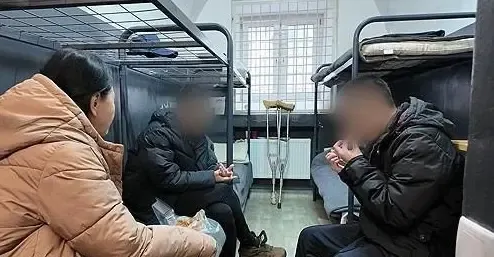
Two North Korean soldiers captured in January 2025 in the Kursk region were transferred to Seoul in mid-September .
President Zelensky disclosed the transfer publicly at the UN General Assembly , which Seoul says violated a confidentiality agreement.
Foreign Minister Cho Hyun said an apology message from Ukrainian FM Andrii Sybiha fell short of Seoul 's expectations.
Ukraine has not issued any official public statement on the matter so far.
South Korea has decided to recall its ambassador to Ukraine, the country's foreign ministry announced on Thursday, 8 October 2026, in a significant diplomatic escalation stemming from a dispute over Kyiv's public disclosure of the transfer of two North Korean prisoners of war (POWs) to Seoul. The move marks one of the sharpest strains in South Korea-Ukraine relations since the two countries deepened ties amid the Russia-Ukraine conflict.
What Triggered the Recall
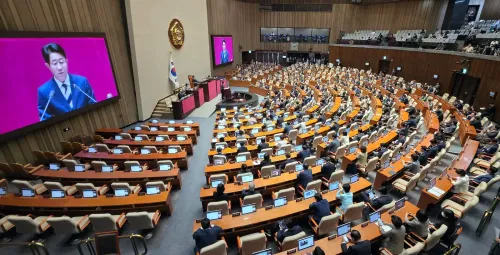
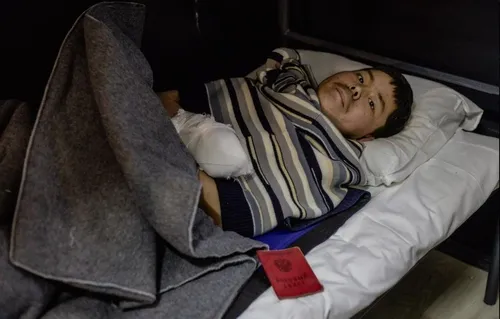
The two North Korean soldiers were captured in January 2025 while fighting alongside Russian forces in the Kursk region and were transferred to Seoul in mid-September. The arrangement was reportedly kept under wraps to protect the soldiers and their families, who remain in North Korea. The understanding unravelled when Ukrainian President Volodymyr Zelensky unexpectedly disclosed the transfer in an address to the UN General Assembly in New York last month, followed by a statement from his office denying any prior confidentiality agreement.
Seoul's Position and Demands
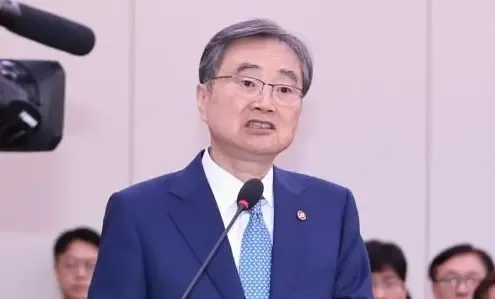
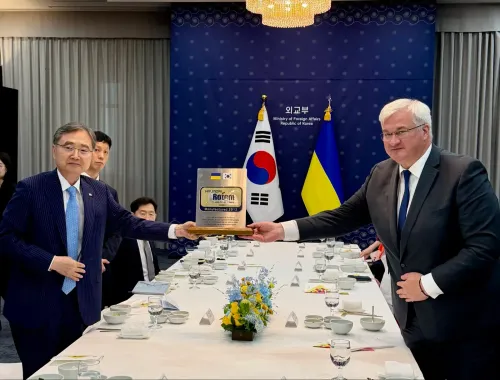
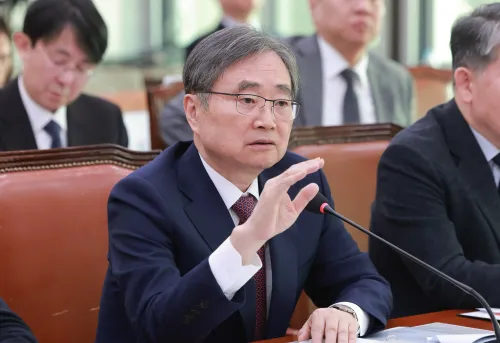
South Korean Foreign Minister Cho Hyun has maintained that there was an agreement from the outset to keep the matter confidential — and that it was the Ukrainian side that first requested the information not be made public. Seoul has since demanded an official explanation and a formal apology from Kyiv. Last week, the foreign ministry summoned Andrii Vieshkin, the acting Ukrainian ambassador to South Korea, and expressed strong concern over Ukraine's denial of the confidentiality agreement.
Ukraine's Response Falls Short
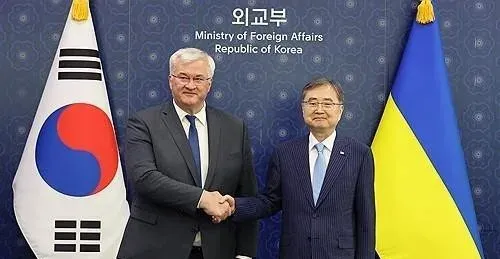
Foreign Minister Cho acknowledged receiving a message from Ukrainian Foreign Minister Andrii Sybiha that included what he described as an apology, but said it fell short of Seoul's expectations. Kyiv has not issued any official public statement on the matter so far, leaving the dispute unresolved. Minister Cho indicated the government intended to take 'firm measures,' and the ambassador recall appears to be the first concrete step in that direction.
Ambassador Recalled; Diplomatic Channels Remain Open
The foreign ministry confirmed the decision to recall Ambassador Park Ki-chang from Kyiv, though it did not elaborate on the timeline or conditions for his return. 'The government has decided to recall its ambassador to Ukraine to Seoul,' the ministry said in an official release. 'We hope that various issues between the two countries will be resolved smoothly, and we will continue consultations with the Ukrainian side to that end,' it added. A senior government official noted the issue had been taken 'seriously,' according to reports.
Broader Implications
South Korea has sought to navigate the dispute carefully, reiterating the importance of its relationship with Ukraine even as it pursues accountability over the disclosure. The episode has nonetheless exposed a fragile underbelly in the bilateral relationship, particularly on how Seoul manages its highly sensitive engagement with North Korean defectors and POWs — a matter with direct security consequences on the Korean Peninsula. This development also underscores the complex geopolitical pressures Seoul faces as it balances solidarity with Ukraine against the delicate optics of its North Korea policy.
Point of View
And a public breach by an ally sets a damaging precedent. What the mainstream coverage underplays is that Zelensky's disclosure at the UN was not an accidental slip — it was a high-visibility platform choice that Seoul will struggle to treat as an oversight. Whether Kyiv issues a credible apology will test how much Ukraine values South Korean diplomatic goodwill at a time when Seoul has been cautiously expanding its non-lethal support posture.
NationPress
8 Oct 2026
Frequently Asked Questions
Why did South Korea recall its ambassador to Ukraine?
South Korea recalled its ambassador to Ukraine because Kyiv publicly disclosed the transfer of two North Korean POWs to Seoul without prior consent, in what Seoul says was a violation of a confidentiality agreement. The South Korean government demanded an official explanation and apology, which it says has not been adequately provided.
Who are the North Korean POWs at the centre of the dispute?
The two North Korean soldiers were captured in January 2025 while fighting alongside Russian forces in the Kursk region and were transferred to Seoul in mid-September. Their identities have not been publicly disclosed, reportedly to protect them and their families still living in North Korea.
What did President Zelensky say at the UN General Assembly?
President Zelensky unexpectedly disclosed the transfer of the two North Korean soldiers to South Korea during his address to the UN General Assembly in New York last month. His office subsequently denied that any agreement to keep the matter confidential had ever been in place.
Has Ukraine apologised to South Korea over the disclosure?
Ukrainian Foreign Minister Andrii Sybiha reportedly sent a message to South Korean Foreign Minister Cho Hyun that included an apology, but Minister Cho said it fell short of Seoul's expectations. Ukraine has not issued any official public statement on the matter as of 8 October 2026.
What happens next in the South Korea-Ukraine dispute?
South Korea says it will continue diplomatic consultations with Ukraine and has expressed hope that 'various issues between the two countries will be resolved smoothly.' However, the ambassador recall signals that Seoul expects a more substantive response from Kyiv before the relationship can be normalised.