South Korea pulls embassy staff from Ukraine over North Korea POW row
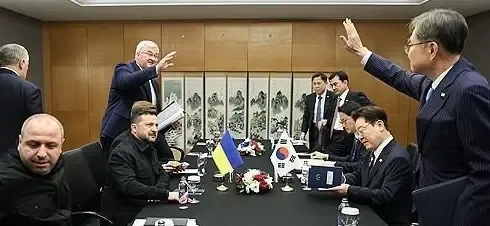
Synopsis
South Korea is pulling roughly half its diplomatic staff from Ukraine — not just because of Russian airstrikes, but because of a growing rift with Kyiv over the public disclosure of two captured North Korean soldiers. With an ambassador already recalled and Seoul's formal demands unanswered, the fallout from a single Zelensky announcement is now straining a key partnership in the war's complex geopolitical web.
Key Takeaways
South Korea announced on 20 October 2026 the withdrawal of roughly half its diplomatic staff from Ukraine .
The decision follows Ukraine's failure to formally respond to Seoul's demands for an apology over the public disclosure of two North Korean POW transfers to Seoul.
South Korea had already recalled its ambassador, Park Ki-chang , earlier this month in protest.
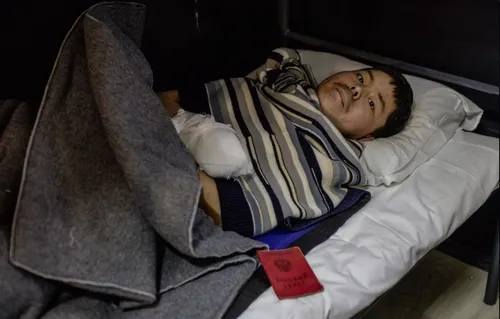
The two North Korean soldiers were captured in January 2025 in Kursk and arrived in South Korea in mid- September .
Escalating Russian airstrikes — including 16 ballistic missiles and over 200 drones on Monday alone — were cited as an additional safety concern.
All consular staff will remain to assist approximately 85 South Korean nationals currently in Ukraine.
South Korea has decided to withdraw roughly half of its diplomatic personnel from Ukraine, citing Kyiv's failure to resolve a dispute over the public disclosure of two North Korean prisoners of war (POWs) transferred to Seoul, as well as escalating Russian airstrike threats across the country. The foreign ministry announced the decision on Tuesday, 20 October 2026, marking a significant downgrade in the bilateral relationship.
The Diplomatic Dispute
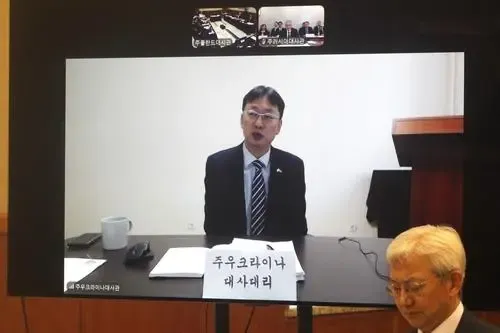
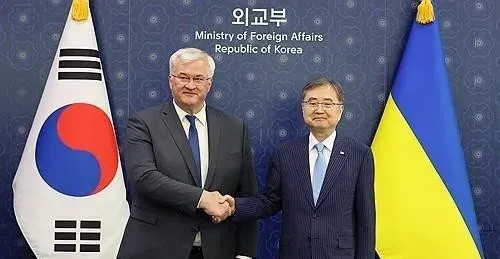
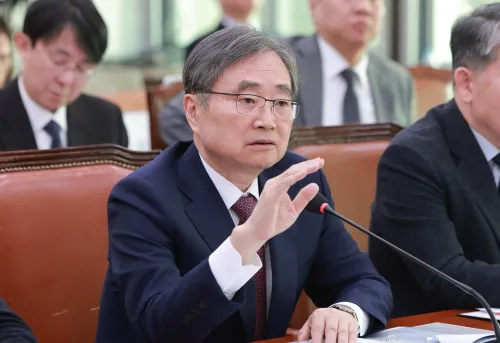
The row stems from Ukrainian President Volodymyr Zelensky publicly disclosing the transfer of the two North Korean POWs to Seoul — a move that Foreign Minister Cho Hyun said violated an initial agreement between the two countries to keep the matter confidential, in order to protect the soldiers and their families still in North Korea. Cho also said Ukraine had itself originally requested that the matter not be made public.
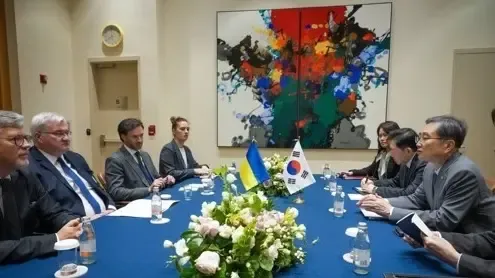
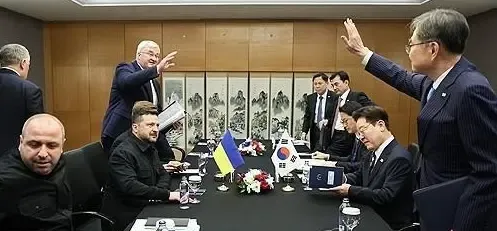
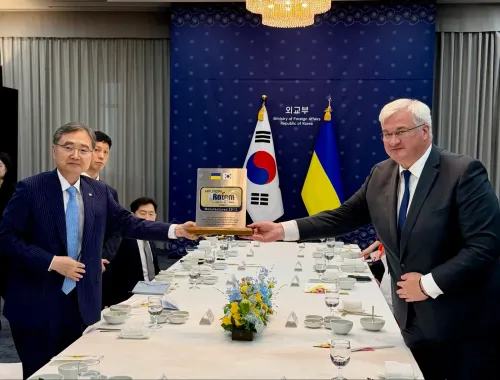
Seoul has since demanded an official explanation, a formal apology, and assurances against any recurrence. In protest, South Korea recalled its ambassador to Ukraine, Park Ki-chang, earlier this month. However, Ukrainian Foreign Minister Andrii Sybiha reportedly described the controversy as 'a closed matter' following the recall, according to foreign media reports.
Ministry spokesperson Park Doo-soon said at a regular press briefing that Ukraine had taken 'no positive steps' despite multiple overtures. 'We had conveyed our position to Ukraine through various channels. But Ukraine had taken no positive steps despite those efforts,' Park said, calling for 'sincere and positive steps' from Kyiv.
Why Russia's Strikes Factor In
Beyond the diplomatic dispute, Park also cited persistent Russian airstrikes as a key reason for the withdrawal, saying they have made it increasingly difficult to guarantee the safety of diplomatic personnel stationed in Ukraine. On Monday, Russia launched 16 ballistic missiles and more than 200 drones in overnight attacks, damaging energy infrastructure and leaving more than 500,000 households without power, according to reports. A Level 4 travel advisory — the highest level — remains in effect across Ukraine.
What Remains in Place
Despite the partial withdrawal, South Korea said it would maintain necessary diplomatic communications through its charge d'affaires. All consular personnel will remain in Ukraine to continue protecting South Korean nationals in the country. The ministry said the embassy would also continue issuing safety updates and assisting those wishing to evacuate.
Notably, approximately 85 South Korean nationals are currently in Ukraine, and the withdrawing diplomatic personnel are expected to help facilitate their evacuation to neighbouring countries before departing themselves. 'We will coordinate with the embassy to find the safest and most effective means of assisting South Koreans who wish to evacuate,' Park said.
Background: The Two POWs
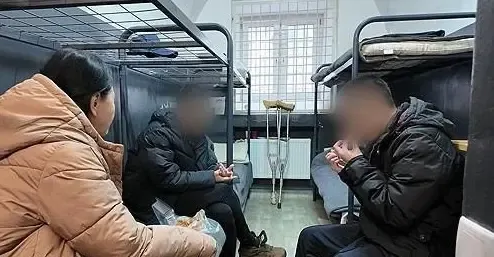
The two North Korean soldiers at the centre of the dispute were captured in January 2025 while fighting for Russia in the Kursk region. They arrived in South Korea in mid-September, officials said. Their transfer underscores Pyongyang's active military involvement in the Russia-Ukraine conflict — a development with significant implications for regional security in East Asia and for South Korea's own defence calculus.
Foreign Minister Cho said he had personally received a message from Sybiha that included an apology, but one that fell short of Seoul's expectations. South Korea maintains that its goal remains 'an amicable resolution through close consultations with the Ukrainian side,' according to the spokesperson, leaving the door open to a diplomatic recovery — though the timeline remains unclear.
Point of View
But it has cost a meaningful relationship at a moment it can ill afford defections among supporters. South Korea's response — recalling its ambassador and now withdrawing half the embassy — is measured but pointed, signalling that Seoul will not absorb diplomatic slights without consequence. What gets missed in the framing of 'POW dispute' is the larger story: North Korea's battlefield presence in Kursk is now shaping inter-state diplomacy far beyond the peninsula. For India and other cautious observers of this war, Seoul's calibrated pushback is also a lesson in how mid-powers are learning to assert leverage in great-power conflicts.
NationPress
20 Oct 2026
Frequently Asked Questions
Why is South Korea withdrawing embassy staff from Ukraine?
South Korea is withdrawing roughly half its diplomatic personnel from Ukraine because Kyiv has not formally responded to Seoul's demands following Ukraine's public disclosure of two North Korean POW transfers to Seoul — a matter both sides had agreed to keep confidential. Escalating Russian airstrike risks were also cited as a safety concern.
Who are the two North Korean POWs at the centre of the dispute?
The two North Korean soldiers were captured in January 2025 while fighting for Russia in the Kursk region and transferred to South Korea, arriving there in mid-September. Their presence on the Russian front line underscores North Korea's active military involvement in the Russia-Ukraine war.
What does South Korea want from Ukraine?
Seoul has demanded an official explanation, a formal apology, and assurances that such unilateral disclosures will not recur. Foreign Minister Cho Hyun said Ukraine had itself initially requested that the transfer be kept confidential to protect the soldiers' families still in North Korea.
Will South Korea cut off all diplomatic ties with Ukraine?
No. South Korea will maintain diplomatic communications through its charge d'affaires, and all consular personnel will remain in Ukraine. Seoul has stated its goal is 'an amicable resolution through close consultations' with Kyiv.
How serious is the security situation in Ukraine right now?
A Level 4 travel advisory — the highest level — is currently in effect across Ukraine. On Monday alone, Russia launched 16 ballistic missiles and more than 200 drones, leaving over 500,000 households without power and damaging energy infrastructure across the country.