India's nuclear programme for peaceful use, not war: Jitendra Singh at Bloomberg Forum
Synopsis
At the Bloomberg Economy Forum 2026, India's Atomic Energy Minister Jitendra Singh linked the country's nuclear expansion directly to AI and data centre power demands — a striking framing that repositions nuclear energy not just as a clean-power pillar but as critical digital infrastructure, all while reaffirming India's decades-old peaceful-use doctrine ahead of a 100 GW capacity target by 2047.
Key Takeaways
Jitendra Singh , Minister of State for Atomic Energy, reaffirmed India's nuclear programme is for peaceful purposes only at the Bloomberg Economy Forum 2026 on 20 October 2026 .
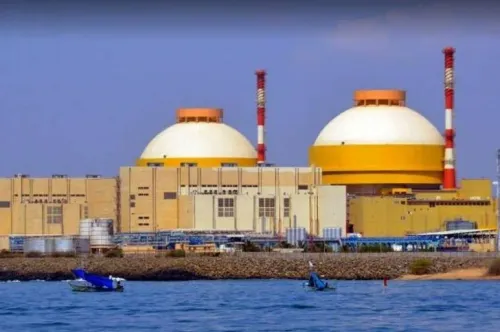
India is targeting 100 GW of nuclear power capacity by 2047 and Net Zero emissions by 2070 .
Singh directly linked nuclear energy expansion to powering AI infrastructure and data centres , describing it as essential baseload for a technology-driven economy.
The minister invoked the legacy of Homi Bhabha , architect of India's nuclear programme, underlining continuity of peaceful-use doctrine.
The Modi government has widened private sector access to critical and sensitive sectors, including areas traditionally restricted to state actors.
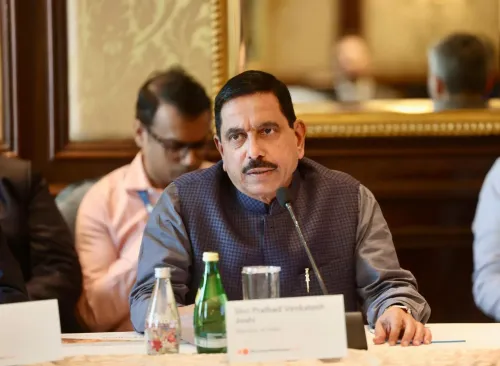
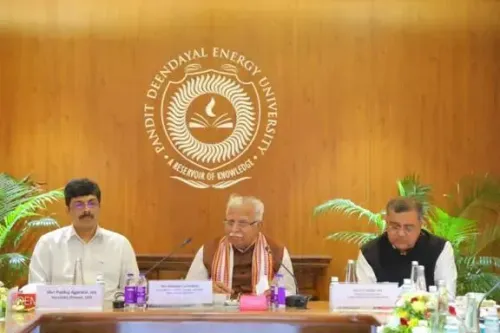
Union Minister of State for Atomic Energy Jitendra Singh on 20 October 2026 reaffirmed that India's nuclear programme is dedicated exclusively to peaceful purposes and national development — not warfare — speaking on the sidelines of the Bloomberg Economy Forum 2026 in New Delhi. The minister's remarks reinforce a foundational commitment that has shaped the country's nuclear doctrine since its inception under physicist Homi Bhabha.
Peaceful Roots and the Bhabha Legacy
Invoking the vision of Homi Bhabha, widely regarded as the architect of India's atomic programme, Singh said the country has consistently pursued nuclear energy for civilian applications and developmental goals. He underlined that the commitment to the peaceful use of nuclear technology remains central to India's approach, even as it scales up capabilities to meet emerging technological and energy demands.
Nuclear Energy and India's 2047 Clean Power Targets
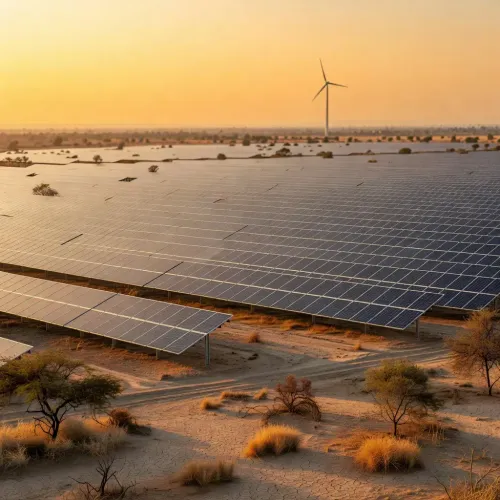
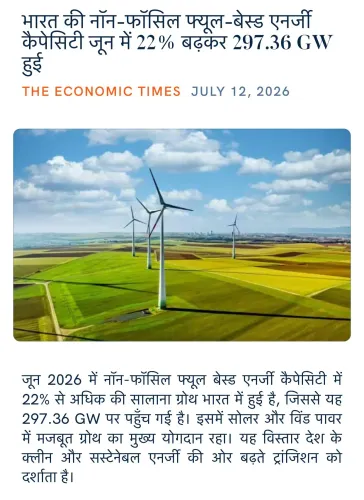
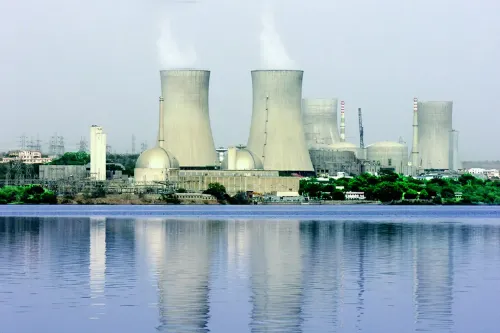
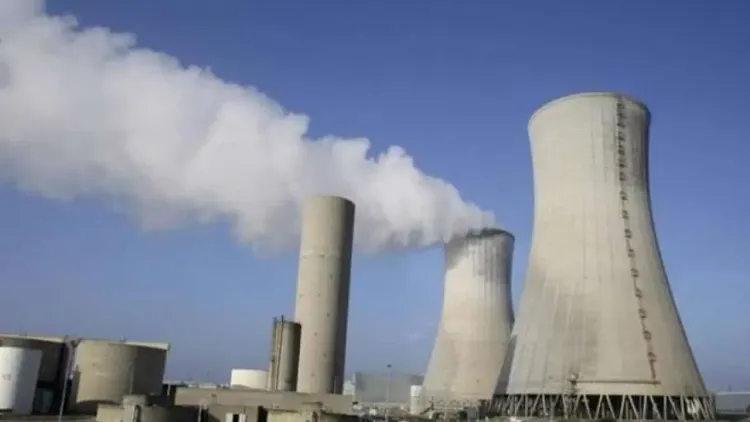
The minister placed India's nuclear ambitions squarely within its long-term development and clean energy framework. India is targeting 100 GW of nuclear power capacity by 2047 and has committed to achieving Net Zero emissions by 2070. Singh said nuclear energy would complement other power sources by providing a continuous, reliable supply of clean electricity — a baseload that intermittent renewables such as solar and wind cannot guarantee on their own.
AI, Data Centres, and the Nuclear Connection
Singh drew a direct link between nuclear energy expansion and the next phase of India's technological growth. The rapid proliferation of Artificial Intelligence (AI) infrastructure and data centres, he said, demands dependable power sources capable of meeting substantial and uninterrupted energy loads. Nuclear energy, in his framing, would supplement existing programmes to power an increasingly technology-driven economy.
On AI more broadly, Singh described it as a cross-sectoral tool rather than a standalone domain, with applications ranging from space science to life sciences. He struck a cautionary note on governance, saying, 'One has to be intelligent enough to use Artificial Intelligence.' While acknowledging that regulations exist, he stressed that integrity — at both the individual and national level — is fundamental to responsible deployment. India, he added, has made appreciable efforts in this direction under Prime Minister Narendra Modi.
Private Sector Opens Up in Critical Sectors
Singh also highlighted the Modi government's policy of widening access to critical and sensitive sectors for non-government players. This liberalisation, he said, has expanded private sector participation in areas that were historically restricted, creating new avenues for industry to contribute to technological advancement, innovation, and national development. This comes amid broader reforms that have seen India selectively open strategic sectors — including space and defence — to private investment.
What This Signals
India's dual emphasis on nuclear expansion and peaceful intent carries diplomatic weight at a time when global scrutiny of nuclear programmes remains intense. With the 100 GW target for 2047 representing a dramatic scale-up from current installed capacity, the government's messaging at international forums like Bloomberg's is aimed at attracting foreign technology partnerships and investment, particularly as the country renegotiates civil nuclear cooperation frameworks. How quickly execution matches ambition will determine whether nuclear energy meaningfully shifts India's energy mix by the end of the decade.
Point of View
And the 'peaceful purposes' framing is the prerequisite for any technology transfer deal. The more substantive question is the 100 GW target by 2047: India's current nuclear installed capacity sits well below 10 GW, meaning the country would need to add capacity at a pace it has never historically managed. Connecting nuclear energy to AI data centres is a smart rhetorical move that aligns India's atomic ambitions with a globally trending investment theme, but the execution gap between announcements and reactor commissioning timelines remains wide. Whether private sector liberalisation in this sector can actually accelerate that pipeline — or whether regulatory and safety frameworks will constrain it — is the story that will matter far more than the forum soundbites.
NationPress
20 Oct 2026
Frequently Asked Questions
What did Jitendra Singh say about India's nuclear programme at Bloomberg Economy Forum 2026?
Singh reaffirmed that India's nuclear programme is dedicated exclusively to peaceful purposes and national development, not warfare. He said the commitment, rooted in the vision of Homi Bhabha, remains central to India's approach as it scales up nuclear capacity.
What is India's nuclear power target by 2047?
India is targeting 100 GW of nuclear power capacity by 2047, as part of its broader clean energy and Net Zero by 2070 commitments. Singh described nuclear energy as a reliable baseload complement to intermittent renewable sources.
Why did Jitendra Singh link nuclear energy to AI and data centres?
Singh argued that the rapid expansion of AI infrastructure and data centres requires dependable, uninterrupted power that intermittent renewables cannot consistently provide. He said nuclear energy would supplement India's energy mix to meet the substantial power demands of a technology-driven economy.
What role will the private sector play in India's nuclear expansion?
The Modi government has widened access to critical and sensitive sectors, including areas historically restricted to state actors, to non-government players. Singh said this creates new opportunities for industry to contribute to technological advancement and national development.
What is India's Net Zero emissions target and how does nuclear fit in?
India has committed to achieving Net Zero emissions by 2070. Nuclear energy is positioned as a key pillar of this strategy, providing continuous and clean electricity generation that complements solar and wind power in the country's long-term energy transition.