Jaishankar, Rubio Pay Tribute at 26/11 Taj Memorial in Mumbai
Synopsis
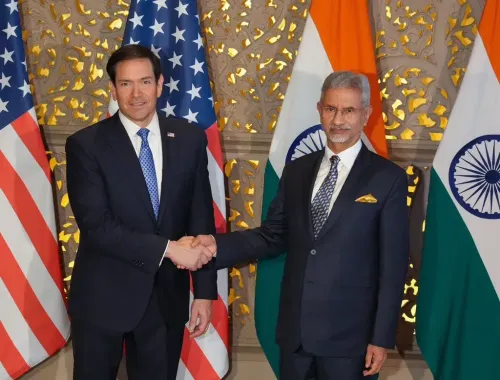
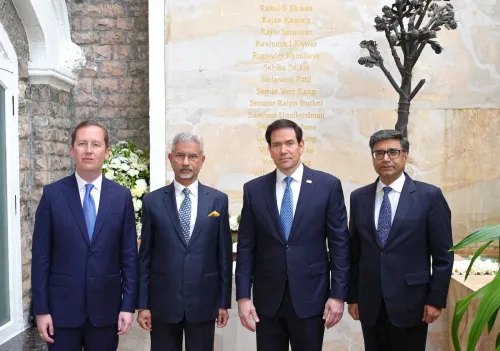
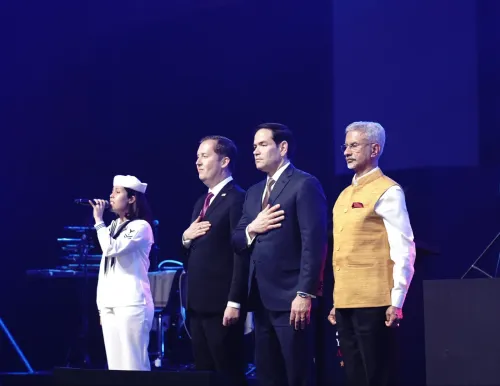
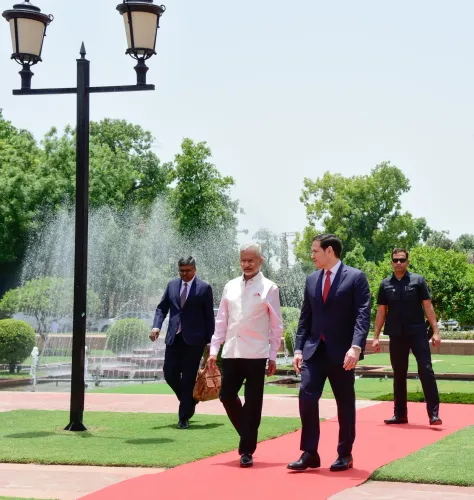
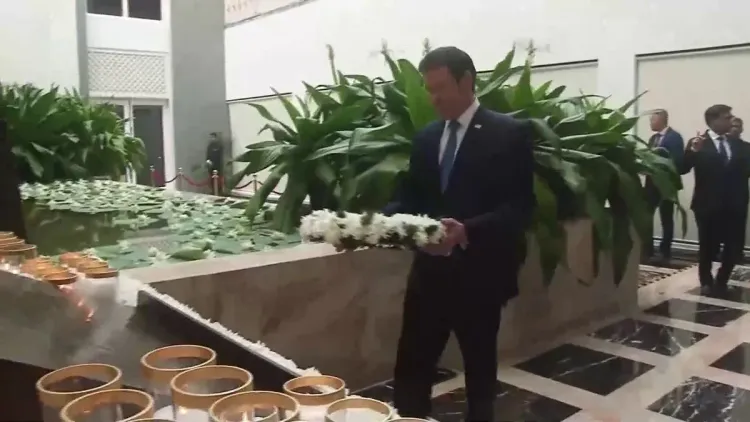
EAM Dr. S. Jaishankar and US Secretary of State Marco Rubio jointly laid a wreath at the 26/11 memorial at the Taj Mahal Palace Hotel in Mumbai on 20 October 2026, reaffirming India-US commitment to combatting terrorism in all its forms.
Key Takeaways
Jaishankar and US Secretary of State Marco Rubio jointly laid a wreath at the 26/11 memorial at the Taj Mahal Palace Hotel, Mumbai on 20 October 2026 .
The 26 November 2008 Mumbai attacks killed 166 people and injured over 500, targeting multiple sites across the city.
Jaishankar called for continued 'strong partnership in combatting terrorism in all its forms and manifestations.' The joint tribute reinforces the India-US counter-terrorism framework built in the aftermath of the 2008 attacks, including intelligence-sharing and joint working groups.
The visit fits a sustained pattern of high-level India-US bilateral engagements on security, running alongside defence, technology and economic cooperation.
Eighteen years after coordinated terrorist attacks shook Mumbai and killed 166 people, the site of the worst carnage became the stage for a powerful bilateral statement: Union External Affairs Minister Dr. S. Jaishankar and US Secretary of State Marco Rubio stood together at the Taj Mahal Palace Hotel memorial on Tuesday, 20 October 2026, laying a wreath where the scars of 26 November 2008 remain etched in marble and memory.
A Wreath at the Taj — and a Message to the World
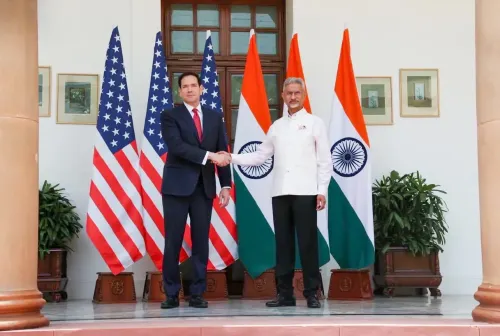
The joint act of commemoration was anything but ceremonial. Jaishankar framed it in plain, deliberate language: 'We must continue our strong partnership in combatting terrorism in all its forms and manifestations.' The Indian tricolour and the Stars and Stripes flanked the moment, and the symbolism was unmistakable — two of the world's most consequential democracies, standing at the address that once burned through the night, pledging that the fight is not over.
The Taj Mahal Palace Hotel in Mumbai's Colaba was among the most iconic targets in the 26/11 attacks, a 60-hour siege that left guests trapped and the world watching in horror. More than 500 people were injured across multiple sites; the 166 killed included Indian nationals, foreign citizens, and security personnel. The attacks fundamentally reset India's security calculus — and accelerated the architecture of its counter-terrorism partnerships.
How 26/11 Built the India-US Counter-Terror Framework
The 2008 Mumbai attacks marked an inflection point in India-US strategic cooperation. In the months that followed, both governments expanded intelligence-sharing mechanisms and stood up joint working groups on counter-terrorism. That institutional scaffolding — built under the pressure of grief — has been reinforced at successive bilateral summits and the periodic 2+2 Ministerial Dialogues that bring together the foreign and defence ministers of both nations.
The breadth of that partnership today spans well beyond intelligence handshakes. Defence technology transfers, defence-industrial cooperation, and coordinated positions in multilateral forums on designating terrorist groups are all downstream of the trust built after 26/11. A joint wreath-laying by the two countries' top diplomats at the site of the attack is, in that context, as much a policy reaffirmation as it is a tribute.
Rubio in Mumbai — Diplomacy at Ground Zero
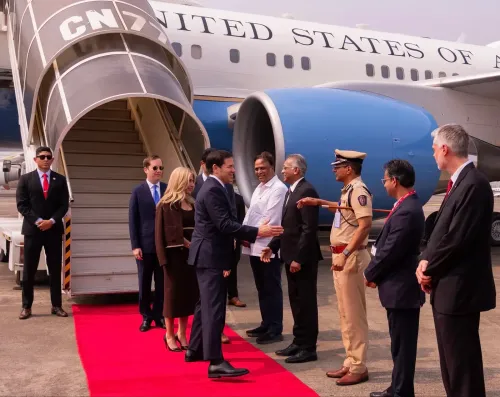
The visit by the US Secretary of State to the 26/11 memorial alongside his Indian counterpart underscores the continued prioritisation of counter-terrorism within the broader India-US strategic partnership. High-level bilateral engagements on security have become a defining rhythm of the relationship — running in parallel with cooperation on defence, technology, and trade. Choosing the Taj memorial as a backdrop sends a signal not just to domestic audiences, but to state and non-state actors across the region: the partnership is durable, and its founding traumas are not forgotten.
What comes next will be watched closely. Whether this visit catalyses fresh action — updated extradition frameworks, renewed pressure on Pakistan-based groups, or the next round of counter-terrorism working-group meetings — will determine whether the wreath becomes a milestone or a moment.
Point of View
One of the most globally recognisable symbols of terror's human cost, amplifies the signal to regional adversaries. The real test of the moment lies ahead: whether this visit translates into concrete operational or legislative advances in bilateral counter-terror cooperation, or whether it remains a powerful but largely symbolic affirmation of an already-established partnership.
NationPress
20 Oct 2026
Frequently Asked Questions
What happened at the 26/11 Mumbai attacks?
The 26 November 2008 Mumbai attacks were a series of coordinated terrorist strikes across multiple sites in the city, including the Taj Mahal Palace Hotel , that killed 166 people and injured over 500. The siege lasted approximately 60 hours.
Why did Jaishankar and Rubio visit the Taj Mahal Palace Hotel in Mumbai?
EAM Dr. S. Jaishankar and US Secretary of State Marco Rubio visited the Taj Mahal Palace Hotel on 20 October 2026 to lay a wreath at the 26/11 memorial , reaffirming the India-US commitment to fighting terrorism in all its forms.
What is India-US counter-terrorism cooperation?
India and the US have maintained a formal counter-terrorism partnership since the 2008 Mumbai attacks , including intelligence-sharing, joint working groups on counter-terrorism, and coordinated positions in multilateral forums on designating terrorist organisations.
What is the 2+2 Ministerial Dialogue between India and the US?
The India-US 2+2 Ministerial Dialogue is a periodic high-level meeting involving the foreign and defence ministers of both countries, designed to advance strategic, security and defence cooperation across multiple domains including counter-terrorism.
What did Jaishankar say at the 26/11 memorial with Rubio?
Jaishankar posted on X that both nations 'must continue our strong partnership in combatting terrorism in all its forms and manifestations,' accompanying the joint wreath-laying at the Taj Mahal Palace Hotel memorial in Mumbai .