Jaishankar joins Rubio at US Independence Day reception
Synopsis
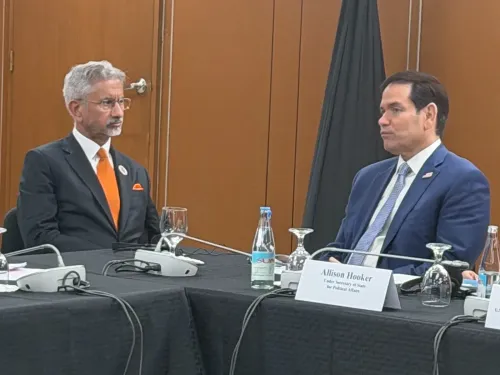
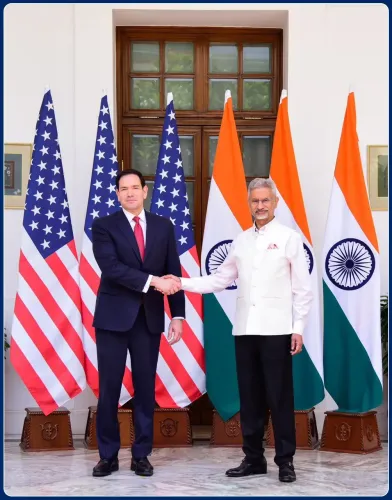
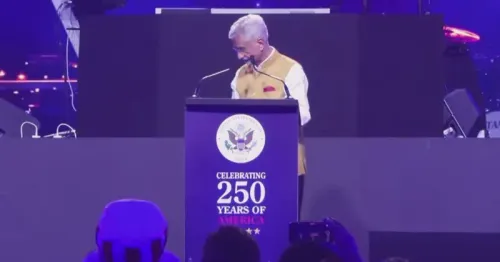
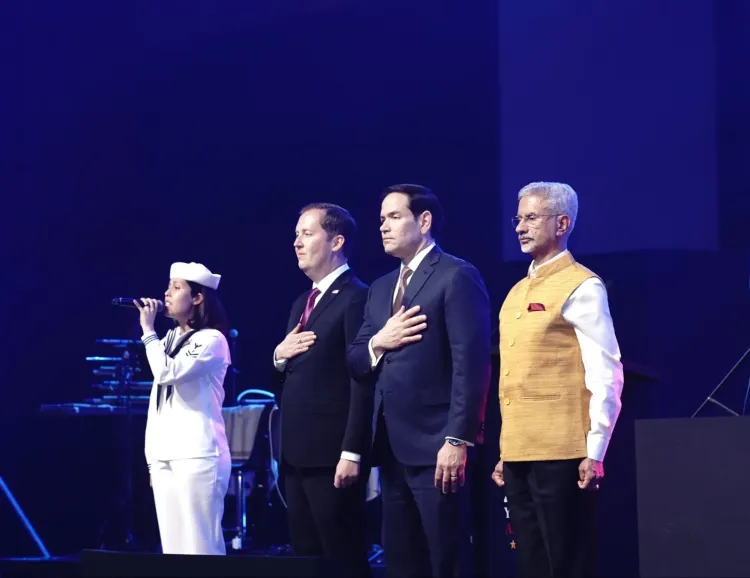
EAM Dr. S. Jaishankar joined US Secretary of State Marco Rubio at the US National Day reception marking 250 years of American independence, reaffirming shared democratic values and the breadth of the India-US strategic partnership across defence, technology and economic domains.
Key Takeaways
Jaishankar attended the US National Day reception marking 250 years of the US Declaration of Independence alongside Secretary of State Marco Rubio .
Jaishankar described India and the United States as 'political democracies, market economies and open societies' sharing many interests and convergences.
The minister highlighted the 'robust linkages of a strategic partnership' continuing to strengthen across a wide range of domains.
The India-US relationship has evolved from estranged democracies to a comprehensive strategic partnership since the late 1990s, anchored by the 2008 Civil Nuclear Agreement .
Upcoming Quad summits and bilateral meetings are expected to further advance technology and defence cooperation between the two nations.
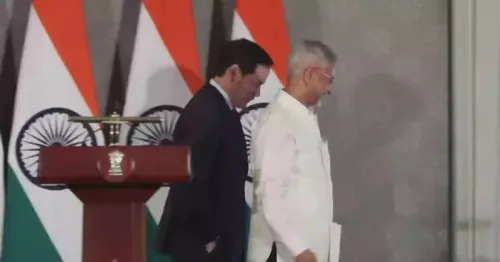
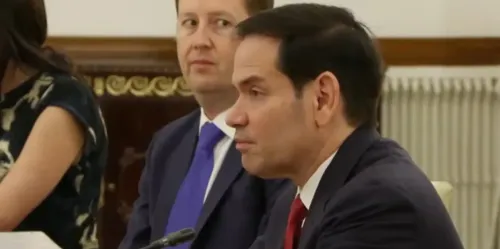
Union External Affairs Minister Dr. S. Jaishankar on Sunday, 25 May 2026, attended the United States National Day reception marking 250 years of the US Declaration of Independence, joining US Secretary of State Marco Rubio at the event. The minister used the occasion to underscore the depth of the India-US strategic partnership and the shared values that continue to bind the two nations.
Context
Jaishankar noted that as 'political democracies, market economies and open societies,' India and the United States share many interests and convergences. He highlighted how 'the robust linkages of a strategic partnership continue to strengthen across a wide range of domains.' The reception, organised to mark the 250th anniversary of American independence, brought together diplomatic and government representatives.
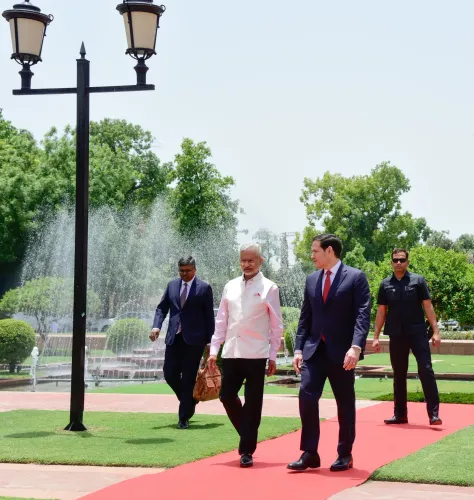
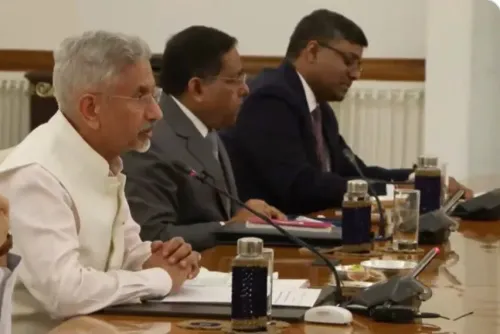
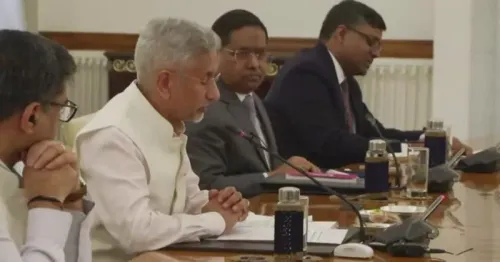
The meeting between Jaishankar and Rubio at a high-profile ceremonial event signals the continued engagement at the top diplomatic level between the two countries. Such bilateral interactions at multilateral or ceremonial gatherings have become a consistent feature of the India-US relationship in recent years.
Policy Backdrop
India-US relations have undergone a steady transformation since the late 1990s, moving from what was once described as a relationship between 'estranged democracies' to a comprehensive strategic partnership. The India-US Next Steps in Strategic Partnership initiative, launched in 2004, expanded cooperation across civilian nuclear activities, space and high-technology trade. This was followed by the landmark India-US Civil Nuclear Agreement of 2008, which removed decades-old restrictions on nuclear trade with India.
Successive governments in both New Delhi and Washington DC have sustained this trajectory through regular summits, defence framework agreements and technology collaboration mechanisms. Shared emphasis on democratic governance and market-oriented economic principles has continued to underpin convergences, even as the two sides navigate periodic differences on trade and multilateral policy questions.
Stakeholders and Impact
The strengthening of India-US ties carries broad implications for stakeholders across defence, technology, clean energy and people-to-people sectors. Indian and American defence and technology industries have deepened integration through joint programmes and co-production arrangements that have gathered pace in recent years.
The diplomatic community, trade bodies and the large Indian-American diaspora — one of the most influential immigrant communities in the United States — also have a direct stake in the health of this bilateral relationship. Jaishankar's own background as a former Indian Ambassador to the United States gives him particular familiarity with the institutional depth of this partnership.
What's Next
Attention will now turn to upcoming bilateral summits and potential Quad leaders' meetings, which could provide platforms to advance announced technology, defence and clean-energy initiatives between the two countries. The 250th anniversary of American independence is itself a diplomatic milestone that both sides are expected to mark with further engagements through 2026.
Consistent high-level contact between the two foreign policy establishments — exemplified by interactions such as this reception — is likely to set the tone for the next phase of the India-US strategic partnership as both nations navigate a complex global environment.
Point of View
Market economy and open society,' the minister is reinforcing a values-based framing of the relationship that goes beyond transactional interests. This language also serves to distinguish the India-US axis from India's ties with non-democratic partners, a recurring theme in New Delhi's diplomatic messaging. The engagement fits a broader pattern in which India's top diplomat uses every bilateral touchpoint — ceremonial or substantive — to accumulate diplomatic capital and signal strategic reliability to Washington.
NationPress
9 Oct 2026
Frequently Asked Questions
Why did Jaishankar meet Rubio at the US National Day reception?
Jaishankar attended the US National Day reception to mark 250 years of the US Declaration of Independence and used the occasion to reaffirm the strength of the India-US strategic partnership with Secretary of State Marco Rubio.
What did Jaishankar say about India-US relations at the event?
Jaishankar stated that as political democracies, market economies and open societies, India and the United States share many interests and convergences, and highlighted the robust and widening linkages of their strategic partnership.
What is the significance of 250 years of the US Declaration of Independence for India-US ties?
The 250th anniversary of American independence is a major diplomatic milestone that both India and the United States are marking with high-level engagements, reinforcing the symbolic and substantive depth of their bilateral relationship.
What is the history of the India-US strategic partnership?
The India-US relationship has evolved since the late 1990s from estranged democracies to a comprehensive strategic partnership, anchored by milestones such as the 2004 Next Steps in Strategic Partnership initiative and the landmark 2008 Civil Nuclear Agreement.
What comes next for India-US diplomatic engagement?
Upcoming bilateral summits and potential Quad leaders' meetings are expected to provide platforms for advancing India-US cooperation in technology, defence and clean energy through 2026 and beyond.