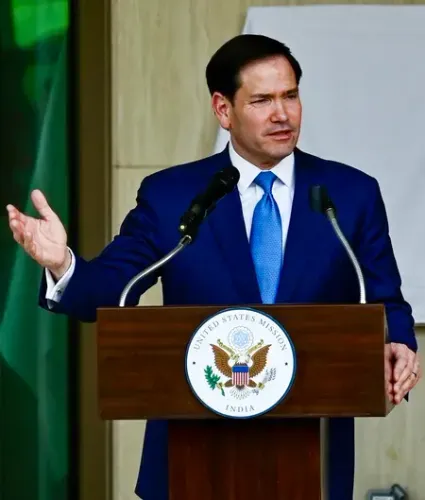
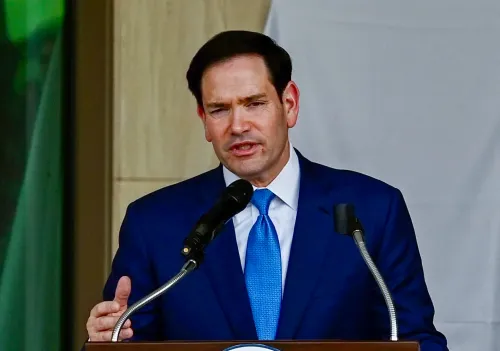
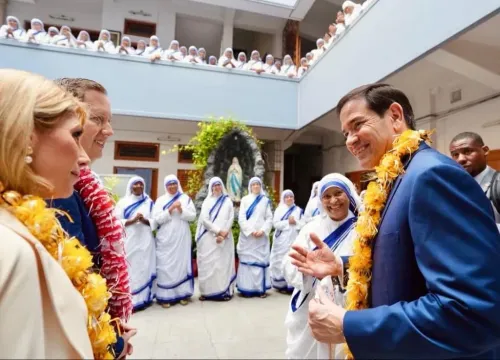
Marco Rubio visits Taj Mahal and Amber Fort during India tour
Synopsis
US Secretary of State Marco Rubio made his first-ever visit to Jaipur's Amber Fort and toured the Taj Mahal with wife Jeanette on 25 May, as part of a four-day India trip aimed at advancing trade, defence, and strategic ties — continuing a tradition of top American officials using India's heritage monuments as a stage for diplomatic goodwill.
Key Takeaways
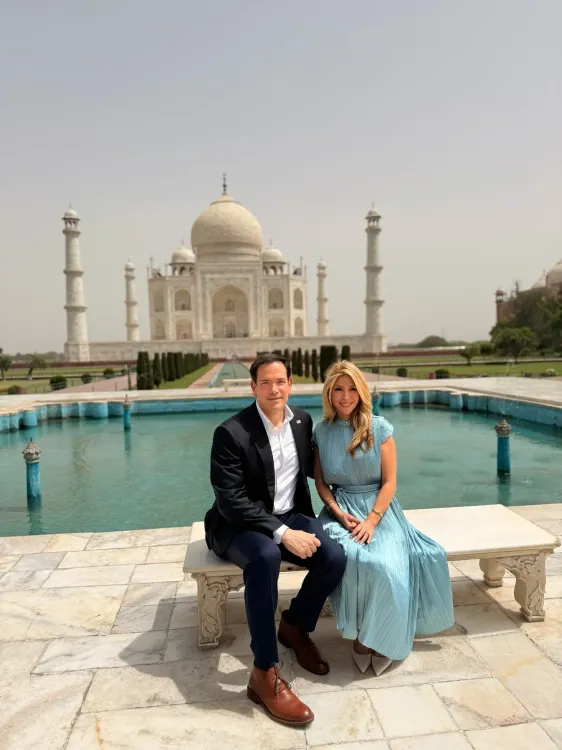
US Secretary of State Marco Rubio and wife Jeanette Rubio visited the Taj Mahal in Agra and Amber Fort in Jaipur on 25 May 2025 .
US Ambassador Sergio Gor accompanied the couple at both heritage sites.
This was Rubio's first visit to Jaipur ; a ceremonial reception with folk performances was held at Jaleb Chowk .
The four-day India visit ( 23–26 May ) covers Kolkata, Agra, Jaipur , and New Delhi , focused on trade, defence, energy, and strategic affairs.
High security and traffic management plans were activated across Jaipur for the VVIP visit.
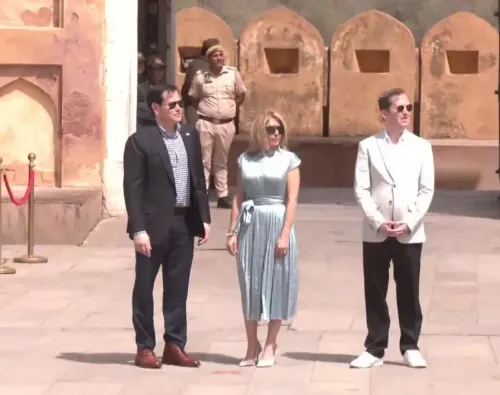
US Secretary of State Marco Rubio and his wife Jeanette Rubio toured two of India's most celebrated heritage monuments on Monday, 25 May — the Taj Mahal in Agra, Uttar Pradesh, and the Amber Fort in Jaipur, Rajasthan — as part of a four-day official visit to India running from 23 to 26 May. US Ambassador to India Sergio Gor accompanied the couple at both sites.
At the Taj Mahal
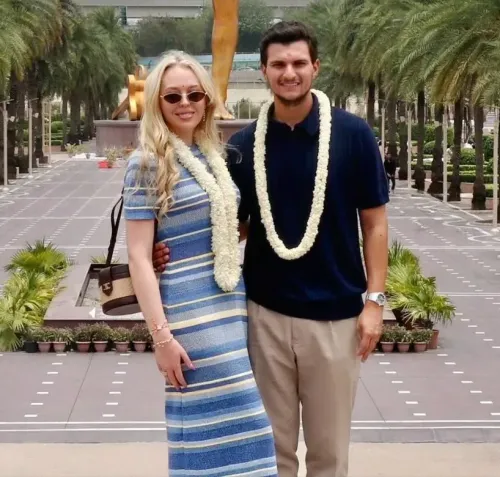
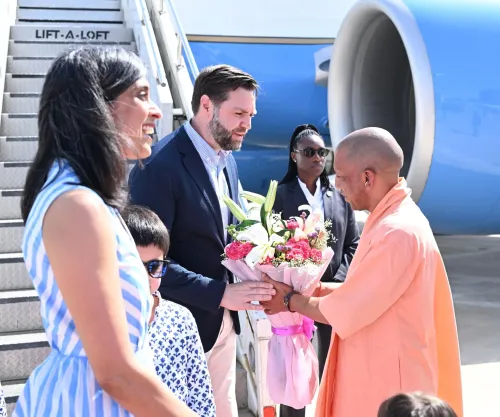
Ambassador Gor shared photographs from the visit, writing: 'Wonderful to be back at the iconic Taj Mahal with Secretary Rubio, Jeanette Rubio and Robert Gabriel. A breathtaking symbol of India's extraordinary heritage and craftsmanship.' The Taj Mahal stop continues a pattern of high-profile American visits to the monument — last year, US Vice President J D Vance visited the same site alongside his wife and three children during his own official India trip.
Amber Fort Reception in Jaipur
From Agra, the Rubios travelled to Jaipur — marking Rubio's first-ever visit to the Pink City. Preparations for a ceremonial reception were underway at Jaleb Chowk inside the historic fort complex from early morning. Folk artists and cultural troupes were mobilised to present Rajasthan's traditional heritage through live performances as part of the formal welcome.
Security and Logistics
The Jaipur district administration, police, and security agencies were placed on high alert ahead of the visit. Officials inspected travel routes, event venues, and accommodation facilities linked to Rubio's movement. A detailed traffic and crowd management plan was drawn up to ensure uninterrupted VVIP movement. Civic agencies also intensified cleanliness drives, lighting arrangements, and beautification work at major tourist sites, particularly Amber Palace.
Broader Purpose of the India Visit
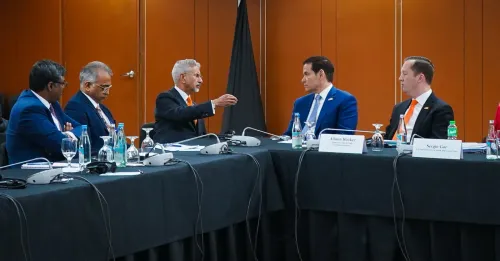
Rubio's four-day itinerary spans Kolkata, Agra, Jaipur, and New Delhi, with the visit focused on deepening cooperation between India and the United States across trade, defence, energy, and strategic affairs. The cultural stops at heritage sites are widely seen as a diplomatic signal of goodwill, reinforcing people-to-people ties alongside the substantive bilateral agenda. The visit comes at a moment of active engagement between the two governments on multiple strategic fronts.
Point of View
This is the second consecutive year a senior US official has made the Taj Mahal a centrepiece of their India visit, suggesting a conscious diplomatic template. The real test, however, is whether the goodwill translates into concrete movement on the pending trade framework and defence co-production deals that have lingered without resolution.
NationPress
26 Sept 2026
Frequently Asked Questions
Where did Marco Rubio visit during his India trip on 25 May 2025?
US Secretary of State Marco Rubio visited the Taj Mahal in Agra, Uttar Pradesh, and the Amber Fort in Jaipur, Rajasthan, on 25 May 2025. US Ambassador to India Sergio Gor accompanied him and his wife Jeanette at both sites.
What is the purpose of Marco Rubio's India visit?
Rubio's four-day visit from 23 to 26 May 2025 is focused on strengthening India-US cooperation in trade, defence, energy, and strategic affairs. The itinerary covers Kolkata, Agra, Jaipur, and New Delhi.
Was this Rubio's first visit to Jaipur?
Yes, the visit to Jaipur and the Amber Fort marked Rubio's first trip to the city. A ceremonial reception featuring Rajasthani folk artists and cultural performances was organised at Jaleb Chowk inside the fort complex.
Which other senior US official visited the Taj Mahal recently?
US Vice President J D Vance visited the Taj Mahal during his official India trip last year, accompanied by his wife and three children. Rubio's visit continues a pattern of top American officials touring the monument as part of their India engagements.
What security arrangements were made for Rubio's Jaipur visit?
The Jaipur district administration, police, and security agencies were placed on high alert. Officials inspected travel routes, venues, and accommodation, while a detailed traffic and crowd management plan was activated to ensure smooth VVIP movement.