What Consequences Did the Two Men Face for South Korea's Worst-Ever Wildfires?
Synopsis
In a landmark ruling, a South Korean court has sentenced two men for their role in igniting the worst wildfires in the nation's history. The court's decision reflects the serious implications of their actions, which led to widespread devastation across southeastern regions, resulting in numerous fatalities and injuries. Discover the details of this significant legal outcome.
Key Takeaways
Two men received suspended sentences for igniting South Korea's worst wildfires.
The wildfires resulted in 26 deaths and significant land destruction.
The court recognized the unpredictable environmental conditions present during the incidents.
Both defendants were ordered to perform 120 hours of community service .
The ruling highlights the importance of environmental responsibility.
Uiseong, Jan 16 (NationPress) A South Korean court has imposed suspended prison sentences on two individuals for their involvement in igniting the most devastating wildfires in the nation's history last year, which wreaked havoc across the southeastern regions for almost a week, resulting in over two dozen fatalities.
The Uiseong branch of the Daegu District Court issued a two-year prison sentence, suspended for three years, for one defendant, identified as Shin, while the other, known as Jeong, received a 2.5-year prison term, also suspended for three years.
Both men were mandated to complete 120 hours of community service.
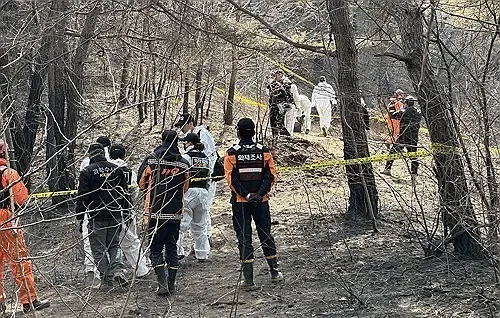
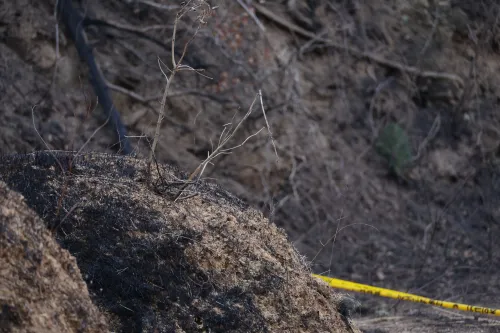
Shin, aged 55, faced charges under the Forest Protection Act for igniting a fire while attempting to burn off a sapling on a family grave located on a hill in Uiseong County on March 22.
Jeong, 63, was accused of starting a fire on the same day while trying to dispose of byproducts from an orchard in the same area.
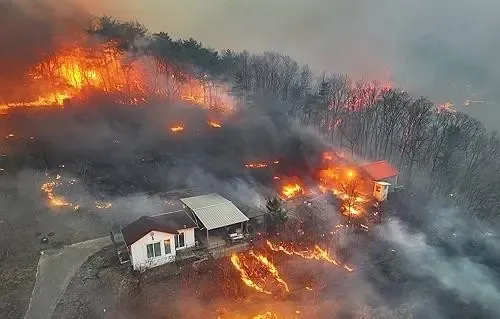
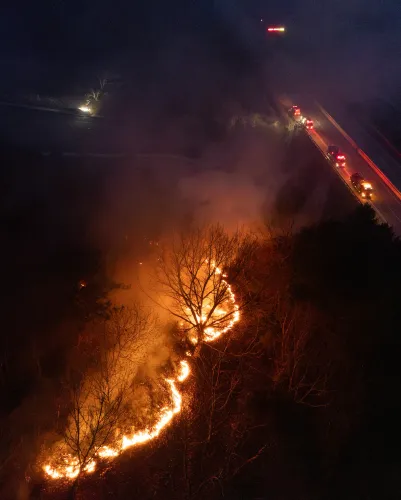
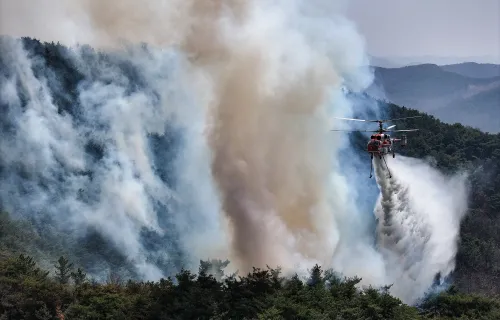
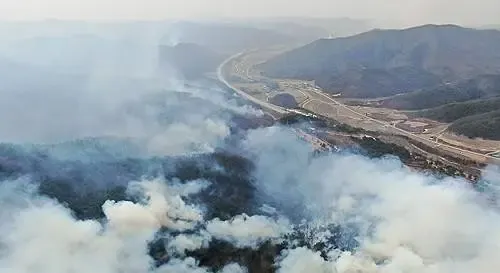
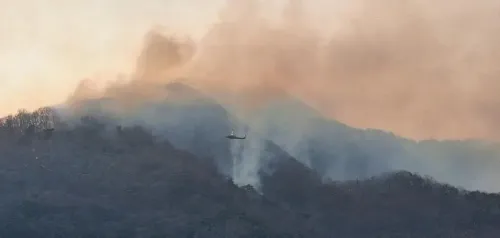
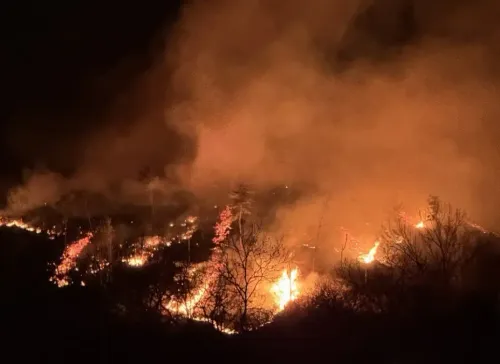
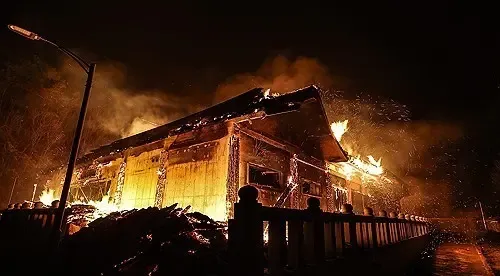
The wildfires, driven by intense winds and a prolonged dry spell, rapidly expanded to four adjacent counties and cities, marking it as the largest wildfire disaster ever recorded in South Korea.
The catastrophic events resulted in 26 deaths, 31 injuries, devastated 99,289 hectares of land, and forced approximately 3,500 individuals to evacuate their homes. Authorities managed to control the flames 149 hours after the fires ignited.
While the court acknowledged the severe damage caused by the wildfires, it noted that the defendants could not have foreseen the extreme dry conditions, stating that the evidence presented did not definitively establish a direct link between their actions and the resultant casualties, as reported by Yonhap news agency.
The court remarked, "To establish a connection between the injuries and fatalities from the wildfires and the defendants' actions, a substantial causal relationship must be demonstrated beyond reasonable doubt, which the presented evidence does not sufficiently accomplish."
Point of View
It is essential to acknowledge the severity of the wildfires that struck South Korea, causing loss of life and substantial damage. The court's decision reflects the need for accountability while considering the unpredictable nature of environmental conditions. This incident serves as a reminder of the importance of responsible actions in delicate ecosystems.
NationPress
3 Oct 2026
Frequently Asked Questions
What were the sentences given to the two defendants?
The court imposed a two-year suspended prison sentence on Shin and a 2.5-year suspended sentence on Jeong, both suspended for three years.
How did the wildfires start?
Shin started a fire while attempting to burn off a sapling from a family grave, while Jeong ignited a fire while trying to dispose of orchard byproducts.
What was the impact of the wildfires?
The wildfires claimed 26 lives, injured 31 people, devastated 99,289 hectares of land, and forced about 3,500 people to evacuate.
How long did it take to control the wildfires?
Authorities managed to bring the fires under control 149 hours after they started.
What did the court say about the defendants' actions?
The court noted the severe damage but stated that the defendants could not have predicted the extreme dry conditions, and evidence did not clearly prove a direct causal link to the casualties.