Keir Starmer resigns as UK PM, hands power to Andy Burnham
Synopsis
Keir Starmer walked out of Downing Street for the last time on 20 July and handed his resignation to King Charles III — closing a chapter that began with Labour's landslide in July 2024. Andy Burnham, confirmed leader with 379 MP nominations and no membership vote, now heads to the palace to become Britain's next prime minister.
Key Takeaways
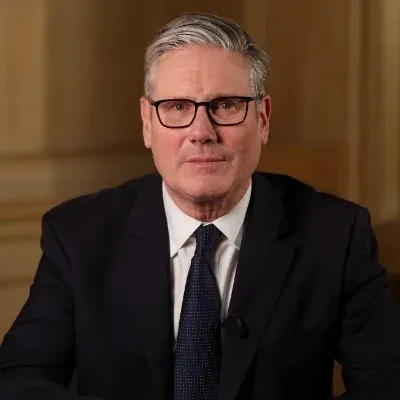
Keir Starmer resigned as UK Prime Minister on 20 July , tendering his resignation to King Charles III at Buckingham Palace .
Starmer had announced his intention to step down on 22 June , saying he would remain PM until a successor was chosen.
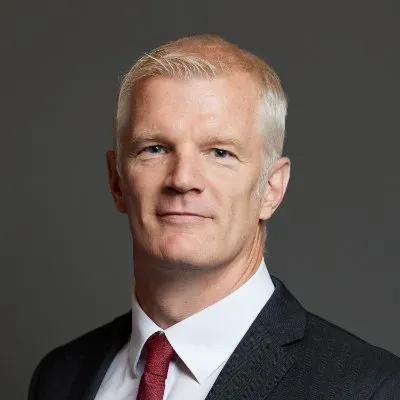
Andy Burnham , former Mayor of Greater Manchester , was confirmed as new Labour leader after receiving nominations from 379 Labour lawmakers — declared leader without a membership ballot.
Burnham won the Makerfield by-election on 19 June to return to Parliament ahead of the leadership.
Starmer's tenure began on 5 July 2024 , ending 14 years of Conservative rule.
Burnham is expected to be formally appointed prime minister after visiting Buckingham Palace .
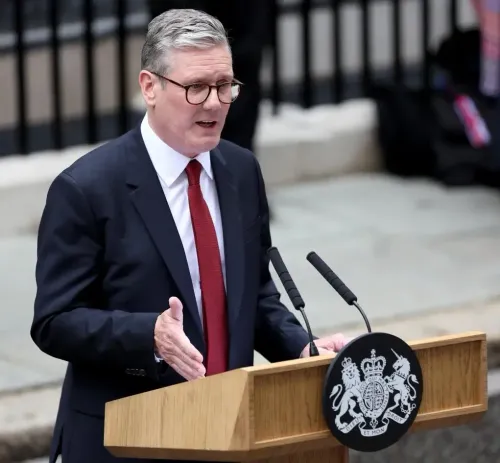
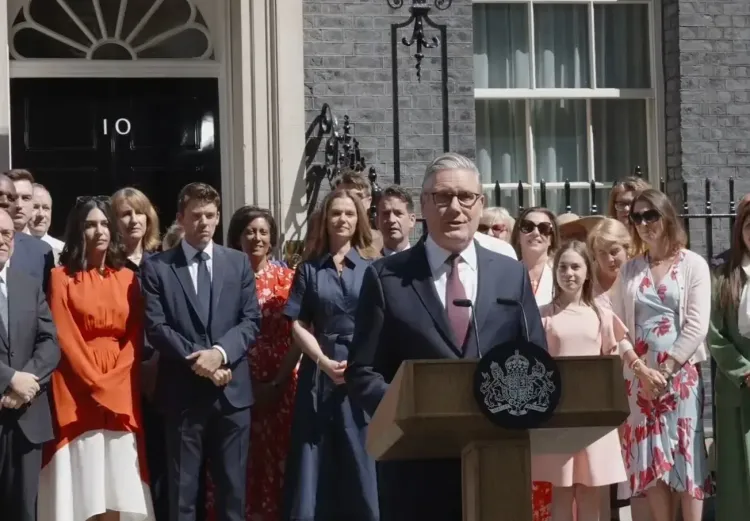
British Prime Minister Keir Starmer formally tendered his resignation to King Charles III at Buckingham Palace on Monday, 20 July, stepping down after delivering a farewell address outside 10 Downing Street. His departure ends a tenure that began on 5 July 2024, when Labour swept to power after 14 years of Conservative rule.
Starmer's Farewell Address
In his final remarks as prime minister, Starmer declared that Britain was now 'stronger and fairer' and urged the country not to 'succumb to that division.' He extended his 'full support' to incoming leader Andy Burnham, wishing him 'every success.' The speech struck a conciliatory tone, framing his resignation not as a defeat but as a planned transition.
Starmer had announced on 22 June that he would step down as both Labour leader and prime minister once a successor was in place — a process that concluded swiftly, within weeks of that declaration.
Burnham Confirmed as New Labour Leader
On Friday, the Labour Party confirmed that Andy Burnham had been elected as its new leader. Speaking at the Trades Union Congress headquarters in central London, Home Secretary Shabana Mahmood — who also chairs Labour's National Executive Committee — announced that Burnham had received nominations from 379 Labour lawmakers. As the sole candidate to cross the required threshold, he was declared leader without a full ballot of party members.
Burnham returned to Parliament after winning the Makerfield by-election, whose result was declared on 19 June — a prerequisite for his eligibility to lead the party in the Commons.
From Manchester Mayor to Prime Minister
Burnham, the former Mayor of Greater Manchester, is set to travel to Buckingham Palace, where the king is expected to invite him to form a government. He will then formally take office as prime minister, in accordance with established constitutional procedure.
In his own address, Burnham recalled collaborating with Starmer roughly a decade ago to draft the original version of the Hillsborough law following the second Hillsborough inquest, drawing on Starmer's legal expertise — a personal note that underscored the continuity within Labour's senior ranks.
Burnham's Political Vision
Burnham signalled a shift in political direction, arguing that Britain had taken 'a series of wrong turns since the 1980s' as power became increasingly centralised and essential services — including housing, water, energy, and transport — were privatised. His remarks suggest a more interventionist domestic agenda than his predecessor's.
With Burnham's appointment imminent, attention now turns to how he will reshape the government's policy priorities and whether his devolution-focused record in Manchester will translate into a broader national programme.
Point of View
A transition of under a month. Burnham's ascent without a membership ballot raises a legitimate question about democratic mandate within Labour itself: 379 MP nominations are constitutionally sufficient, but they are not the same as a party-wide vote. Whether that shortcut costs Burnham political capital early in his tenure is the first test of his leadership. His rhetoric about privatisation and centralisation since the 1980s signals a leftward tilt from Starmer's more centrist positioning — a pivot that will define Labour's identity heading into the next election cycle.
NationPress
20 Oct 2026
Frequently Asked Questions
Why did Keir Starmer resign as UK Prime Minister?
Keir Starmer announced on 22 June that he would resign as Labour leader and step down as prime minister once a successor was chosen. He formally tendered his resignation to King Charles III at Buckingham Palace on 20 July, after delivering a farewell speech outside 10 Downing Street.
Who is Andy Burnham and why is he becoming UK Prime Minister?
Andy Burnham is the former Mayor of Greater Manchester and newly elected leader of the Labour Party. He was confirmed as leader after receiving nominations from 379 Labour lawmakers — the only candidate to reach the required threshold — and is set to be invited by King Charles III to form a government.
How was Andy Burnham chosen as Labour leader?
Burnham was declared Labour leader without a full ballot of party members, having secured nominations from 379 Labour MPs — the sole candidate to cross the required threshold. Home Secretary Shabana Mahmood made the announcement at the Trades Union Congress headquarters in London.
When did Keir Starmer become Prime Minister and what did he achieve?
Starmer took office on 5 July 2024 after Labour's general election victory ended 14 years of Conservative rule. In his farewell speech, he said Britain had become 'stronger and fairer' under his leadership.
What are Andy Burnham's key political priorities?
Burnham has signalled a more interventionist agenda, arguing that Britain took wrong turns since the 1980s through excessive centralisation and privatisation of services including housing, water, energy, and transport. He is expected to pursue a devolution-focused domestic programme.