Thanksgiving storm leaves hidden hazards in North Carolina, NY
Synopsis
The Thanksgiving storm has passed, but its most serious dangers may be the hardest to see. Possibly compromised septic systems near Cape Hatteras, damaged New York buildings that need an engineer's check, and fresh overwash that undid Outer Banks repairs show that recovery has only just begun.
Key Takeaways
The National Park Service warned visitors to avoid floodwater at Cape Hatteras National Seashore , citing possibly compromised septic systems.
The Avon Fishing Pier was damaged, and debris from damaged structures was reported on ocean beaches.
New York City told residents of seriously damaged buildings to consult a licensed engineer or architect before re-entering.
Commissioner Christina Farrell said photographed damage reports may support a future request for federal assistance.
Dare County said renewed ocean overwash reversed some repairs completed on Thanksgiving Day .
The Thanksgiving storm that hit the United States has left behind dangers that are harder to spot than flooded streets, officials warned on Friday. The risks include potentially contaminated water near coastal villages in North Carolina and storm-damaged buildings in New York that should be inspected before residents return. As clean-up begins, authorities say better weather does not remove the threat from damaged structures, submerged roads and fallen power lines.
Septic Risks at Cape Hatteras National Seashore
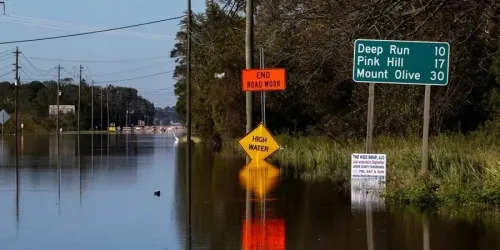
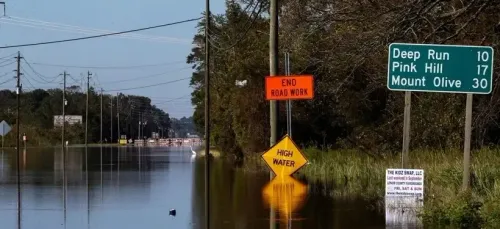
At Cape Hatteras National Seashore in North Carolina, the National Park Service urged visitors to stay out of floodwater on beaches and in parking areas next to villages. In a Friday update, the agency said storm damage may have compromised septic systems, creating potential public health concerns.
The park service also reported debris from damaged structures on ocean beaches. The Avon Fishing Pier was damaged as well, and officials are working with its leaseholder to assess repairs.
“Visitor and employee safety remains our highest priority as crews assess storm impacts and begin recovery activities,” said David Hallac, superintendent of National Parks of Eastern North Carolina.
New York City Tells Residents to Get Buildings Checked
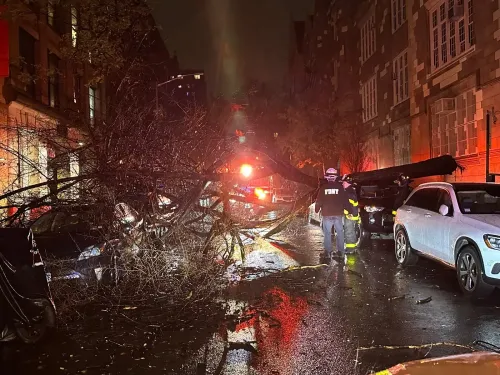
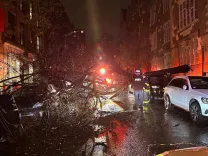
In New York City, emergency officials advised people whose buildings were seriously damaged to consult a licensed engineer or architect before going back inside.
The city's Friday recovery notice warned that floodwater could carry sewage or chemicals, or hide an electrical hazard. Residents were told to keep away from downed trees and power lines. The notice also asked them to check on older neighbours, people with disabilities and those living in basement or low-lying homes.
Authorities asked residents to photograph damage before they start cleaning up. “Damage reporting helps the City assess where impacts have occurred and may also support a future request for federal assistance,” Emergency Management Commissioner Christina Farrell said.
Her remarks point to a practical concern. Documented damage records can affect whether a city qualifies for federal disaster support, so the order in which residents clean up and report matters.
Outer Banks Repairs Undone by Renewed Overwash
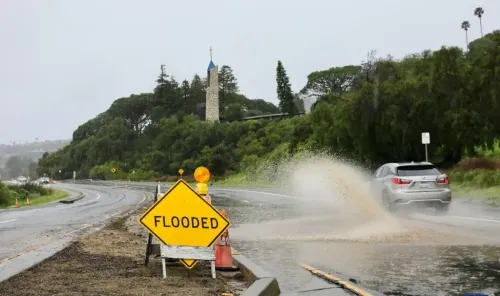
On North Carolina's Outer Banks, officials warned that standing water could hide damaged pavement and debris. They also cautioned that saltwater could seriously damage vehicles.
Dare County's Friday evening bulletin said renewed ocean overwash and flooding had reversed some repair work completed on Thanksgiving Day. Crews were clearing roads, rebuilding protective dunes and fixing damaged pavement.
Notably, the setback shows how quickly gains can be lost on low-lying barrier islands. Further surges can wash away dune and road repairs within hours of completion.
Why the Aftermath Matters
The advisories from North Carolina and New York share one message. The most serious post-storm risks are often ones residents cannot easily see, such as contaminated water, weakened structures and live electrical lines.
For families in basement or low-lying homes, the guidance to avoid floodwater and wait for professional inspections is especially relevant. Recovery is likely to continue in stages as crews assess damage on coastlines and in cities, and further updates from local authorities are expected in the coming days.
Point of View
But these advisories show that the less visible risks arrive afterwards. New York's request for residents to photograph damage first is also a fiscal step, because access to federal aid depends on documentation. On the Outer Banks, losing Thanksgiving Day repairs to renewed overwash raises a familiar question about how long patch-and-rebuild can continue on fragile barrier islands. Similar questions are relevant for India's own flood-prone coastal cities.
NationPress
28 Nov 2026
Frequently Asked Questions
What hazards has the US Thanksgiving storm left behind?
Officials have warned of potentially contaminated floodwater, damaged buildings, submerged roads, hidden debris and fallen power lines. In North Carolina, damaged septic systems may pose public health concerns near coastal villages.
Why are visitors told to avoid floodwater at Cape Hatteras?
The National Park Service said storm damage may have compromised septic systems, so floodwater on beaches and in parking areas next to villages could be contaminated. Debris from damaged structures was also reported on ocean beaches.
What has New York City advised storm-affected residents?
Residents of seriously damaged buildings should consult a licensed engineer or architect before going back inside. The city also warned that floodwater may carry sewage or chemicals or hide electrical hazards, and asked residents to photograph damage before cleaning up.
Why should New York residents photograph storm damage?
Emergency Management Commissioner Christina Farrell said damage reporting helps the city assess where impacts occurred. It may also support a future request for federal assistance.
What is happening on North Carolina's Outer Banks after the storm?
Dare County said renewed ocean overwash and flooding reversed some repairs completed on Thanksgiving Day. Crews are clearing roads, rebuilding protective dunes and repairing damaged pavement.