How is a Massive Winter Storm Impacting the US?
Synopsis
A massive winter storm is wreaking havoc across the United States, impacting over a million people with power outages, thousands of flight cancellations, and tragic fatalities. As conditions worsen, emergency services are mobilizing to protect vulnerable populations from the extreme cold and hazardous weather. Stay informed as we cover this unfolding situation.
Key Takeaways
Over 1 million people are currently without power due to the storm.
The storm has led to more than 30,000 flight cancellations .
Authorities are urging residents to avoid travel due to hazardous conditions.
Emergency services are opening warming centers for vulnerable populations.
The storm spans an incredible 2,000 miles from New Mexico to Maine.
Washington, Jan 26 (NationPress) A severe winter storm sweeping across the United States has left over a million people without power, disrupted thousands of flights, and tragically resulted in multiple fatalities as frigid temperatures and snow extend from the South to the Northeast, according to officials.
Authorities from numerous states reported extensive outages as freezing rain and heavy snow toppled trees and power lines, especially in the South and parts of the Mid-Atlantic. Data from PowerOutage.com indicated that at peak times, more than 1,000,000 customers were without electricity, with states like Tennessee, Mississippi, Louisiana, Texas, and Georgia among the most severely affected.
In Tennessee, the crisis has escalated: over 300,000 customers are currently without power as ice damages trees and utility poles. Nashville Electric Service cautioned that these outages might last for days, with repair crews facing dangerous conditions while trying to restore services.
The storm continues to disrupt air travel across the nation. Since Friday, over 30,000 flights have been affected, with more than 18,000 cancellations, forcing major airports to halt or significantly reduce operations. Airlines have canceled nearly all flights at Ronald Reagan Washington National, while LaGuardia and other essential hubs remain severely impacted.
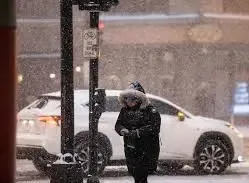
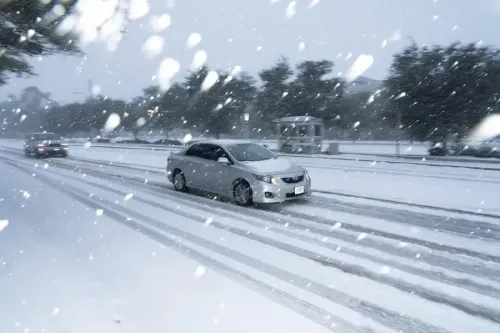
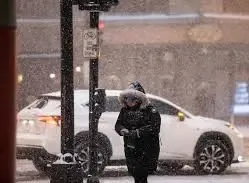
Emergency officials have urgently advised residents to avoid travel as snow, sleet, and freezing rain have created extremely hazardous conditions, including severe traction loss and low visibility. In Nashville, Memphis, Dallas, Atlanta, New York City, and Boston, authorities emphasized that even treated roads could rapidly refreeze as temperatures drop into the teens and single digits. State police across multiple states reported over 300 weather-related accidents and received more than 4,000 assistance calls.
Municipalities and states have also moved to close schools, courts, and government offices. Major public school districts—including New York City, Philadelphia, Boston, Nashville, and Dallas—either canceled in-person classes or transitioned to remote learning, while universities across the East Coast and South announced campus closures extending through Monday or Tuesday.
The human toll is rising swiftly. Authorities have confirmed multiple deaths due to the cold, including one in Austin, Texas, where a victim is presumed to have perished from hypothermia. In Louisiana, two hypothermia-related deaths have been reported in Caddo Parish, and officials in New York City are investigating additional suspected fatalities as the harsh cold puts lives at risk.
As the power grid faces unprecedented strain, the US Department of Energy has issued emergency orders to grid operators, authorizing the immediate deployment of backup generation. These critical measures allow operators in Texas and the Mid-Atlantic to access additional capacity to prevent blackouts amid soaring demand and relentless cold.
Energy Secretary Chris Wright stated that these actions aim to “keep Americans safe during Winter Storm Fern” and ensure reliable electricity amid record low temperatures and storm damage. The orders will remain in effect through the end of January.
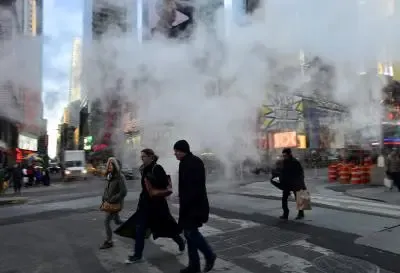
Meteorologists caution that this massive system spans an incredible 2,000 miles from New Mexico to Maine, bringing Arctic air and hazardous moisture. The National Weather Service warns that while some areas may see a reduction in snowfall, dangerously low temperatures will persist, posing significant risks for anyone lacking heat or shelter.
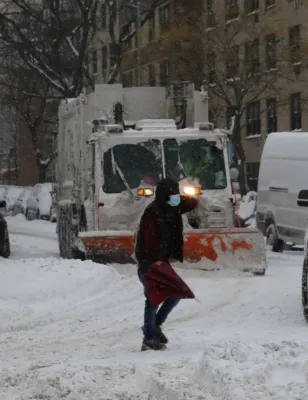
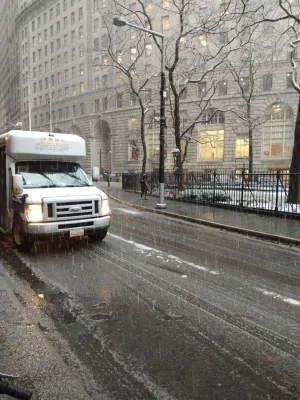
Northeastern cities are experiencing notable snowfall totals. In New York City’s Central Park, nearly nine inches of snow have been recorded, while regional airports have reported close to ten inches. Pittsburgh has seen its snowiest day in over 15 years, and some areas in New England are preparing for up to two feet of snow.
Storms of this scale can disrupt vital US infrastructure, but officials warn that today’s prolonged outages, combined with extreme cold, are increasing risks for vulnerable populations. Federal and state agencies have rapidly opened warming centers and shelters to protect those in danger as the storm progresses east and temperatures remain dangerously low.
Point of View
The current winter storm impacting the U.S. is a critical incident requiring immediate attention. The widespread power outages, travel disruptions, and tragic loss of life highlight the need for timely reporting and assistance to vulnerable populations. NationPress remains committed to covering this story with the seriousness it deserves.
NationPress
30 Sept 2026
Frequently Asked Questions
What areas are most affected by the winter storm?
States such as Tennessee, Mississippi, Louisiana, Texas, and Georgia are among the hardest hit. The storm has also affected major cities in the Northeast.
How many flights have been canceled due to the storm?
Over 30,000 flights have been disrupted since Friday, with more than 18,000 cancellations reported.
What safety measures are in place for residents during the storm?
Emergency officials are urging residents to stay off the roads due to hazardous conditions and are opening warming centers to assist vulnerable populations.
What is the forecast for the storm's impact in the coming days?
Meteorologists warn that while snowfall may lessen in some areas, dangerously low temperatures will persist, posing ongoing risks.
How is the government responding to the power outages?
The US Department of Energy has authorized emergency orders to allow grid operators to deploy backup generation to prevent blackouts.