How Did the Death Toll Rise to 28 Amid the Severe Winter Storm Across the US?
Synopsis
A massive winter storm has claimed at least 28 lives across the US, wreaking havoc with power outages, flight cancellations, and school closures. The storm has brought unprecedented winter conditions to many regions, impacting daily life and safety. Discover the extent of the devastation and the ongoing challenges faced by affected communities.
Key Takeaways
28 fatalities reported due to the storm.
Widespread power outages affecting nearly 700,000 customers .
Over 12,500 flights canceled on a single day.
Severe cold weather protocols extended in several states.
Frigid temperatures expected to persist for several more days.
New York, Jan 27 (NationPress) A staggering 28 fatalities linked to weather conditions have been confirmed as a colossal winter storm unleashed snow across numerous US states over the weekend, resulting in widespread power outages, canceled flights, and school closures.
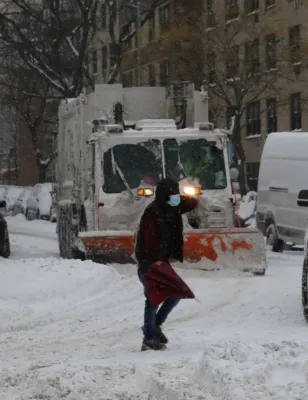
The fatalities included two individuals struck by snowplows in Massachusetts and Ohio, along with deadly sledding incidents in Arkansas and Texas. In New York City, reports indicated that eight individuals were discovered deceased outdoors as nighttime temperatures plummeted, according to Xinhua news agency.
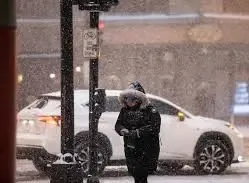
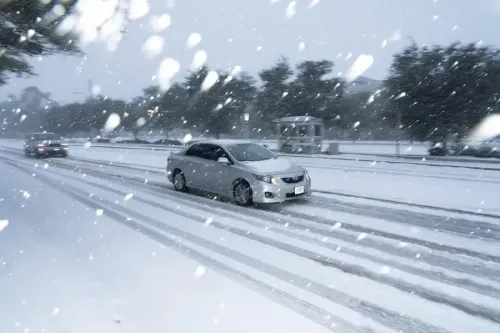
From Massachusetts in the northeast to Texas in the south, roads were coated in ice and buried under more than 30 cm of snow in many areas. Some southern states experienced winter conditions that had not been witnessed in decades.
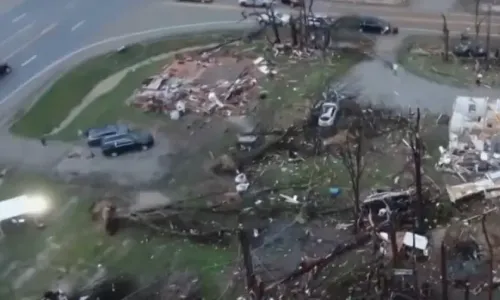
As of 4 p.m. Eastern Time on Monday, nearly 700,000 customers from the mid-Atlantic to the South were without power, as reported by poweroutage.com. Mississippi, Tennessee, and Louisiana were the hardest hit, suffering from ice storms that caused tree branches and power lines to break, leading to extensive outages.
The storm created chaos in air travel, resulting in more than 12,500 flight cancellations on Sunday, marking the highest cancellations on a single day since the beginning of the COVID-19 pandemic in 2020.
By Monday afternoon, over 5,200 flights scheduled to depart, arrive, or operate within the United States were canceled, and more than 6,600 were delayed, according to flight-tracking service FlightAware.
Major US airports, including Ronald Reagan Washington National Airport, Dallas Fort Worth International Airport, and John F. Kennedy International Airport, reported ground delays caused by snow or ice, according to the Federal Aviation Administration.
US Transportation Secretary Sean Duffy expressed optimism that airports would return to a state of 'normalcy' by Wednesday.
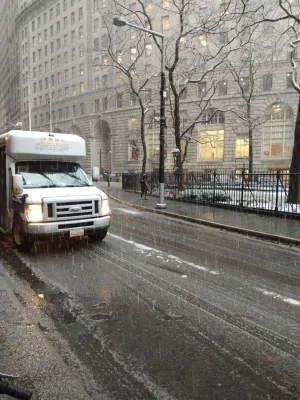
In New York City, all public schools were closed on Monday, with students engaging in remote learning.
While the storm system was expected to shift away from the East Coast into the Atlantic on Monday, an influx of Arctic air was predicted to follow, extending frigid temperatures for several additional days, according to the National Weather Service.
Connecticut Governor Ned Lamont announced an extension of the state's severe cold weather protocol until February 5, anticipating single-digit temperatures overnight for the next ten days. Lamont indicated that this extension represents the longest such protocol in the state in over a decade.
Point of View
The consequences of this severe winter storm highlight the urgent need for preparedness and response strategies. The loss of life and disruption to daily activities serve as a stark reminder of nature's unpredictability. Reporting on these events is crucial to inform the public and to advocate for measures that protect vulnerable communities.
NationPress
11 Oct 2026
Frequently Asked Questions
What caused the winter storm?
The winter storm was caused by a combination of Arctic air masses colliding with moisture-laden systems, resulting in heavy snowfall and freezing temperatures.
Which states were most affected?
States from Massachusetts in the northeast to Texas in the south experienced significant impacts, with Mississippi, Tennessee, and Louisiana being among the hardest hit.
How many flights were canceled due to the storm?
Over 12,500 flights were canceled on Sunday alone, with more than 5,200 cancellations reported by Monday afternoon.
What safety measures are in place during the storm?
States have implemented severe cold weather protocols, and local authorities are advising residents to stay indoors and avoid travel unless necessary.
When is the weather expected to improve?
While the storm is expected to move out of the East Coast, Arctic air will prolong sub-freezing temperatures for several days.