Sudan disease crisis: UN battles cholera, mpox and dengue amid conflict
Synopsis
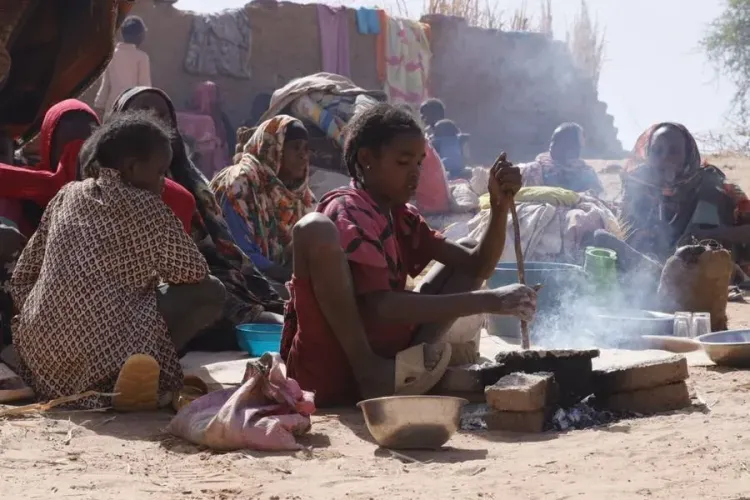
Sudan is fighting three simultaneous disease outbreaks — suspected cholera, mpox, and dengue — across multiple states, even as drone strikes destroy health facilities. With over 500 dengue cases, 300 mpox cases, and dozens of cholera deaths reported in a single week, the UN is warning that insecurity is making a catastrophic health crisis nearly impossible to contain.
Key Takeaways
OCHA confirmed simultaneous outbreaks of suspected cholera , mpox , and dengue fever across multiple Sudanese states as of 22 May 2025 .
More than 100 suspected cholera cases and dozens of deaths reported in West Kordofan's El Nuhud area within one week.
Over 300 suspected mpox cases and 5 deaths recorded in Central and South Darfur states.
Dengue cases in Northern state more than tripled in a month, exceeding 500 suspected cases .
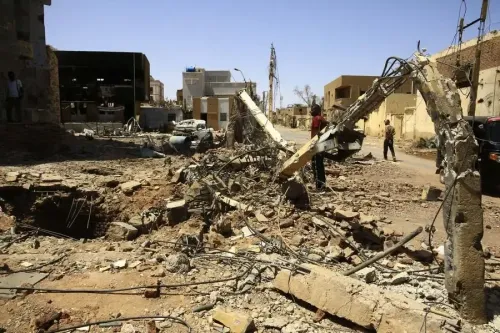
A drone strike in South Kordofan's Dilling reportedly damaged a health facility and destroyed medical supplies.
The humanitarian community assisted more than 1.6 million people in Sudan in the first four months of 2025; OCHA has called for additional funding.
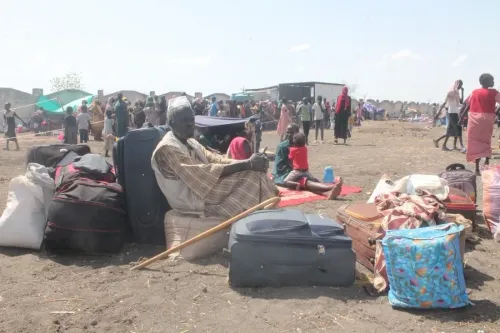
United Nations humanitarians are racing to contain simultaneous outbreaks of dengue fever, mpox, and suspected cholera across multiple states in Sudan, as ongoing insecurity and access restrictions severely hamper the relief effort, according to the UN Office for the Coordination of Humanitarian Affairs (OCHA).
Suspected Cholera in West Kordofan
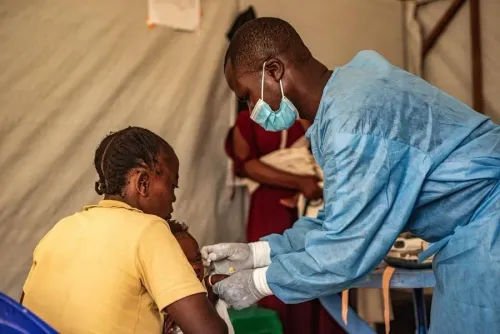
In the El Nuhud area of West Kordofan state, the World Health Organization (WHO) and its partners are responding to a suspected outbreak of acute watery diarrhoea, commonly associated with cholera. More than 100 suspected cases and dozens of associated deaths were reported within a single week, according to OCHA.
Mpox Spreading Across Darfur
In the Darfur region, UN health teams are working alongside local authorities to address suspected mpox outbreaks in Central and South Darfur states. More than 300 suspected cases and five associated deaths were reported in the same period. The WHO is supporting a large-scale cholera and measles vaccination campaign led by Darfur authorities, OCHA confirmed.
Dengue Cases Triple in Northern State
In Northern and River Nile states, WHO and health partners have been responding to dengue fever outbreaks. Suspected dengue cases in Northern state alone have more than tripled over the past month, surpassing 500 — a sharp escalation that health officials describe as deeply concerning given the constrained medical infrastructure.
Drone Strikes Hit Health Facility in South Kordofan
'These health emergencies are unfolding as insecurity continues to endanger civilians and humanitarian operations,' OCHA said. In South Kordofan, multiple drone strikes in and around Dilling reportedly killed at least two people and injured several others. One strike reportedly damaged a health facility and destroyed medical supplies and equipment, further crippling an already overstretched response.
Scale of the Crisis and Funding Gaps
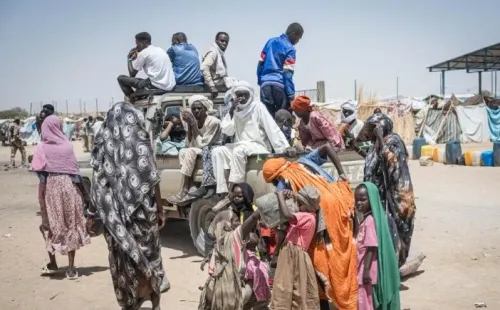
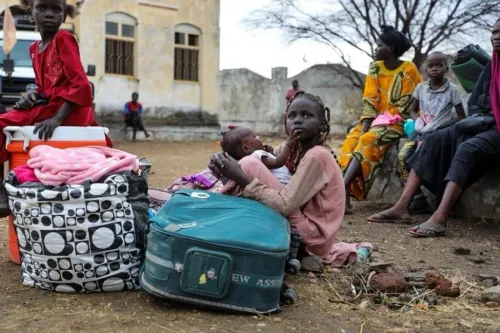
The humanitarian community in Sudan assisted more than 1.6 million people in the first four months of 2025. OCHA called on all parties to protect civilians and civilian infrastructure, and to facilitate humanitarian access as required by international humanitarian law. The agency also stressed that additional funding remains critical to deliver life-saving assistance to millions across the country. This comes amid one of the world's most severe and under-reported humanitarian emergencies, with Sudan's civil war now entering its third year.
Point of View
And the funding gap OCHA flags is a direct result of that neglect — one that will be measured in preventable deaths.
NationPress
20 Sept 2026
Frequently Asked Questions
What disease outbreaks are currently affecting Sudan?
Sudan is simultaneously battling suspected cholera in West Kordofan, mpox in Central and South Darfur, and dengue fever in Northern and River Nile states. All three outbreaks were reported in the same week, according to OCHA.
How many cases and deaths have been reported in Sudan's outbreaks?
More than 100 suspected cholera cases with dozens of deaths were reported in West Kordofan; over 300 suspected mpox cases and 5 deaths in Darfur; and more than 500 suspected dengue cases in Northern state alone, which tripled in a single month.
How is the conflict in Sudan making the disease response harder?
Active insecurity is restricting humanitarian access and directly damaging health infrastructure. A drone strike in South Kordofan reportedly hit a health facility and destroyed medical supplies, further limiting the capacity to respond to outbreaks.
What is the UN doing to address the health crisis in Sudan?
The WHO and its partners are leading outbreak responses across affected states, including a large-scale cholera and measles vaccination campaign in Darfur. OCHA has called on all parties to protect civilians and civilian infrastructure, and has urged donors to provide additional funding.
How many people has the humanitarian community helped in Sudan in 2025?
According to OCHA, the humanitarian community in Sudan assisted more than 1.6 million people in the first four months of 2025. The agency has stressed that additional funding is critical to scale up life-saving assistance.