Syria explosive ordnance kills 9 in a week, 880 dead since Dec 2024
Synopsis
Since December 2024, more than 1,400 explosive ordnance incidents have torn through Syria, killing at least 880 civilians. In just one week, nine people died — six of them children — and over two-thirds of all blasts occurred on farmland, turning agriculture itself into a death trap. The UN is calling for urgent, large-scale clearance before more families are destroyed.
Key Takeaways
Nine people were killed — six of them children — and 13 others injured in explosive ordnance incidents across six Syrian governorates in a single week ending 5 September .
A landmine struck a civilian vehicle in Deir ez-Zor on Monday, killing five children and injuring three civilians .
An ammunition-laden vehicle exploded in Binnish, Idlib on Tuesday, killing two and injuring five , triggering secondary blasts.
Since 8 December 2024 , more than 1,400 incidents have caused nearly 2,500 casualties , including 880 deaths , across Syria.
More than two-thirds of incidents occurred on agricultural and grazing land , threatening food security and rural livelihoods.
OCHA and mine-action partners are calling for urgent risk education, large-scale clearance, and survivor assistance.
The United Nations has sounded a grave alarm over explosive ordnance contamination across Syria, warning that landmines and war remnants are killing and maiming civilians at a relentless pace. According to the UN Office for the Coordination of Humanitarian Affairs (OCHA), the contamination is not merely a physical hazard — it is reshaping how entire communities live, move, work, and feed themselves.
A Deadly Week: Nine Killed, Six of Them Children
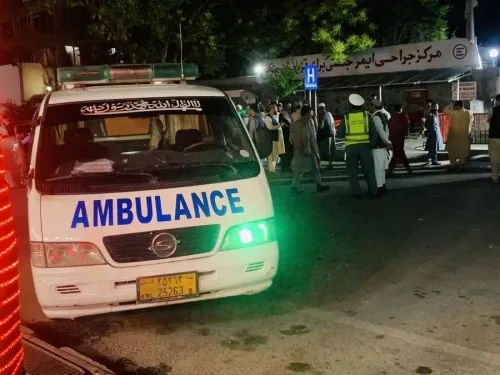
In the single week leading up to Friday, 5 September, OCHA documented a dozen explosive ordnance incidents spread across six Syrian governorates, resulting in nine deaths and 13 injuries. Six of the nine killed were children — a figure that underscores how indiscriminate these remnants of war continue to be.
Among the most devastating individual incidents, a landmine struck a civilian vehicle in Deir ez-Zor governorate on Monday, killing five children and injuring three other civilians. Raqqa governorate recorded the highest number of ordnance explosions during the period, reinforcing concerns about the density of war remnants in northern Syria.
Binnish Blast Triggers Chain Reaction in Idlib
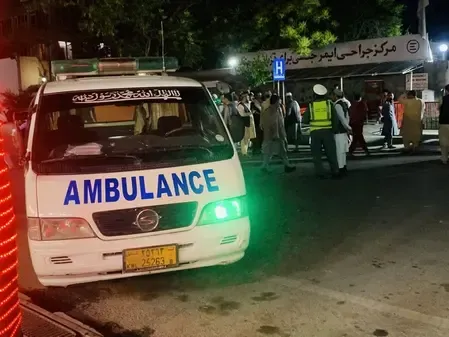
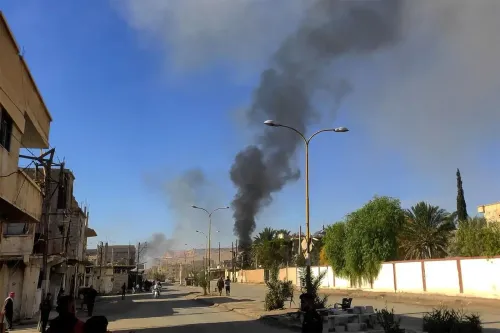
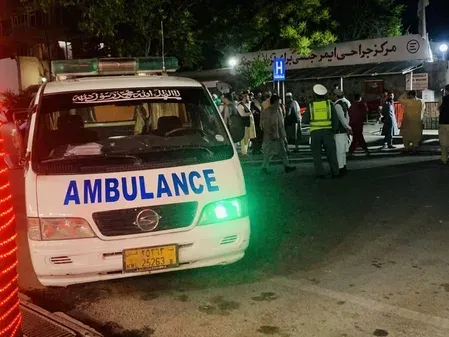
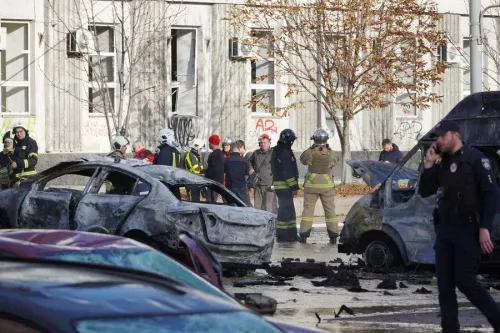
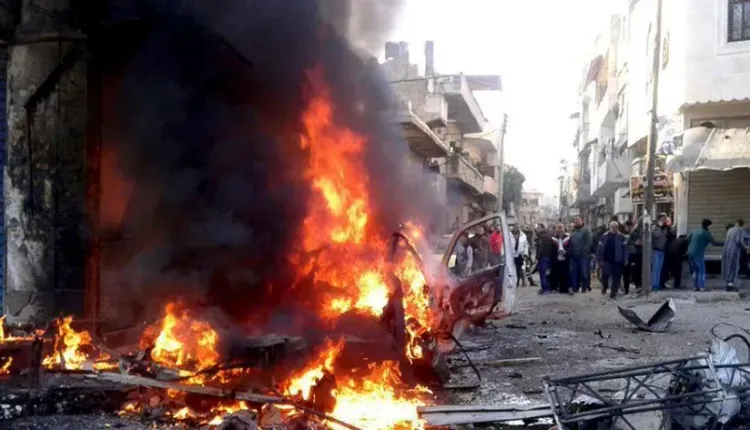
In a separate incident on Tuesday, an explosion involving a vehicle loaded with ammunition in the city of Binnish, located in Syria's northwestern Idlib province, killed two people and injured five others, according to Syria's state news agency. The initial blast triggered a series of secondary explosions across the city, according to reports citing the provincial emergency and disaster management directorate.
Scale of the Crisis Since December 2024
The cumulative toll since 8 December 2024 is staggering. OCHA says more than 1,400 explosive ordnance incidents have been documented across Syria during this period, resulting in nearly 2,500 civilian casualties — including at least 880 deaths.
Notably, more than two-thirds of these incidents occurred on agricultural and grazing land, meaning the crisis is also a food security emergency. Farmers unable to safely tend their fields and herders unable to move livestock face compounding economic losses on top of physical danger.
What Aid Workers Are Calling For
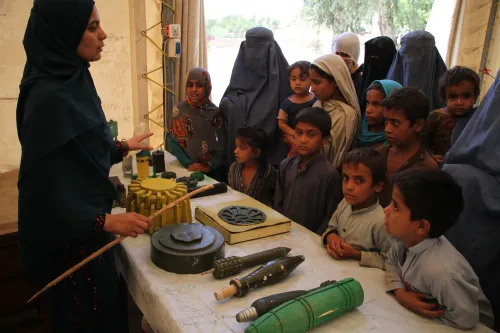
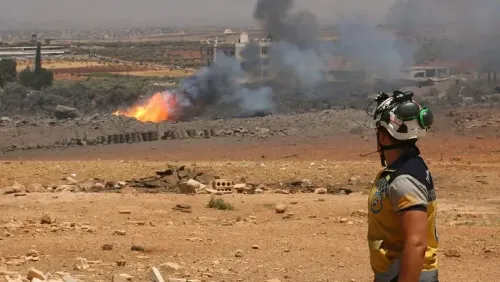
Partners engaged in mine action have stressed that three interventions are essential: risk education for civilians, large-scale clearance operations, and targeted assistance for survivors and affected communities. OCHA has specifically highlighted the urgent need for clearance on farmland to allow safe movement between villages and to protect those trying to return home.
This comes amid a broader humanitarian fragility in post-conflict Syria, where displacement, infrastructure destruction, and economic collapse have already left millions dependent on aid. The explosive ordnance crisis adds a lethal layer to an already dire situation, and without accelerated clearance efforts, the civilian death toll is expected to continue rising.
Point of View
Explosive ordnance has effectively weaponised agriculture, compounding food insecurity in a country already on the edge. The fact that six of nine deaths in a single week were children points to a failure of risk-education reach in the most vulnerable communities. International mine-action funding has historically lagged behind emergency relief in conflict aftermaths; Syria risks becoming another case where clearance arrives years too late.
NationPress
20 Oct 2026
Frequently Asked Questions
How many people has Syria's explosive ordnance crisis killed since December 2024?
According to OCHA, at least 880 people have been killed and nearly 2,500 civilians have been injured in more than 1,400 explosive ordnance incidents across Syria since 8 December 2024.
What happened in Deir ez-Zor that killed five children?
A landmine struck a civilian vehicle in Deir ez-Zor governorate on Monday, killing five children and injuring three other civilians. It was among the deadliest single incidents recorded in the week ending 5 September.
Which Syrian governorate recorded the most ordnance explosions?
Raqqa governorate recorded the highest number of explosive ordnance incidents during the week in question, underscoring the continued concentration of war remnants in northern Syria.
Why is the crisis particularly dangerous for farmers and herders?
More than two-thirds of all explosive ordnance incidents since December 2024 have occurred on agricultural and grazing land. This makes farming and livestock movement acutely dangerous, threatening both livelihoods and food security in rural communities.
What measures are being called for to address the threat?
Mine-action partners and OCHA are calling for three parallel interventions: civilian risk education about explosive ordnance, large-scale clearance operations — especially on farmland — and dedicated assistance for survivors and displaced people seeking to return home.