UN: One civilian killed every 14 minutes in armed conflicts in 2024
Synopsis
One civilian killed every 14 minutes in 2024 — and the UN says that figure is an undercount. With over 1,000 aid workers dead in three years and famine spreading through siege tactics, the Security Council debate on 21 May laid bare not a gap in international law, but a systemic failure to enforce it.
Key Takeaways
One civilian was killed every 14 minutes in armed conflicts worldwide in 2024 , according to the UN .
Edem Wosornu of OCHA told the UN Security Council on 21 May 2025 that the real toll is 'far higher' across the DRC , Sudan , Ukraine , and Gaza .
More than 1,000 humanitarian aid workers have been killed in the past three years .
The Inter-Agency Standing Committee warned of deliberate civilian starvation linked to siege tactics and the spread of conflict-driven famine.
Senior UN officials identified the core problem as 'the failure to uphold' existing international humanitarian law, not an absence of legal frameworks.
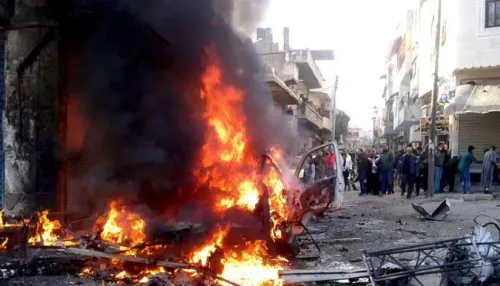
The United Nations revealed on 21 May 2025 that one civilian was killed every 14 minutes in armed conflicts across the world last year, underscoring what senior officials described as a catastrophic and worsening global protection crisis. The figures were presented to the UN Security Council during an open debate on the protection of civilians in armed conflict.
Key Figures Presented to the Security Council
Edem Wosornu, Director of Operations and Advocacy at the UN Office for the Coordination of Humanitarian Affairs (OCHA), delivered the stark assessment on Wednesday. She cautioned that even these numbers fall short of the true scale of suffering. 'We know the real toll is far higher, in the Democratic Republic of the Congo, in Sudan, in Ukraine, in the occupied Palestinian territory, and beyond,' she said.
Widespread Violations of International Law
In a related statement issued the same day, principals of the Inter-Agency Standing Committee warned of growing and blatant violations of international humanitarian and human rights law. 'Across conflicts, civilians, including children, are killed, injured, and displaced at an alarming scale,' they said. The statement also flagged that sexual violence is being deployed as a deliberate tactic of war, 'overwhelmingly affecting women and girls and devastating lives.'
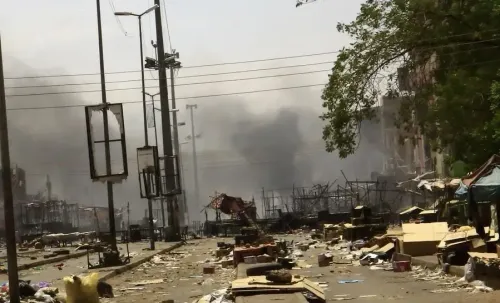
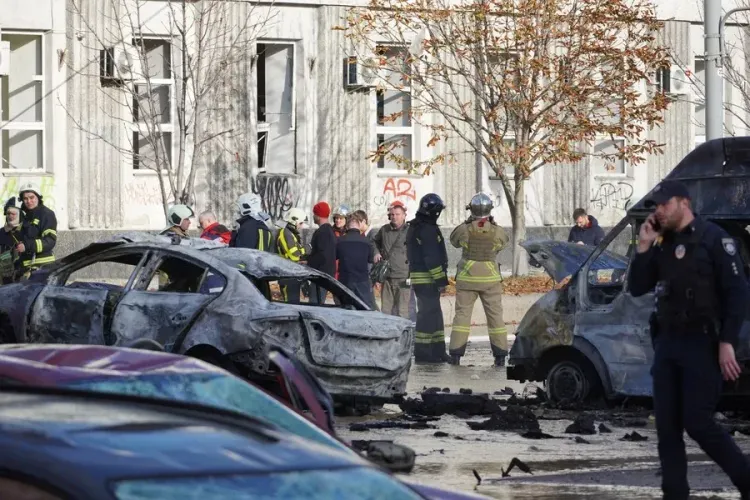
Homes, schools, places of worship, hospitals — including maternal wards — and critical civilian infrastructure such as water systems, transport networks, markets, and food production facilities are being destroyed or damaged, according to the committee.
Famine, Siege Tactics, and Aid Worker Deaths
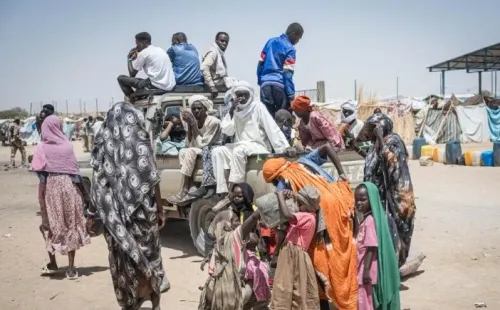
The principals warned that conflict-driven hunger and famine are spreading, frequently linked to siege tactics and what they described as the deliberate starvation of civilians. Notably, the toll on humanitarian workers has reached an unprecedented level: more than 1,000 aid personnel have been killed in the past three years.
The Accountability Gap
'Wars have rules that apply to all parties to conflict,' the Inter-Agency Standing Committee statement said. 'The problem is not a lack of law. The problem is the failure to uphold them consistently, the erosion of accountability and inaction, even in the face of atrocities.' The statement reflects a broader institutional concern that existing legal frameworks are being systematically ignored rather than reformed.
This comes amid a period in which multiple high-intensity conflicts are running simultaneously — a convergence that humanitarian officials say is stretching global response capacity to its limits. With no immediate ceasefire in sight in several of the named conflict zones, the civilian death toll is expected to remain critically high through 2025.
Point of View
But it is also a precise indictment. The UN's own language — 'the problem is not a lack of law' — shifts blame squarely onto member states who simultaneously sit on the Security Council and arm parties to these conflicts. The mention of over 1,000 aid workers killed in three years is the detail that deserves more scrutiny: it signals that humanitarian space itself is being deliberately targeted, not merely caught in crossfire. What the debate did not surface is the Council's structural inability to act when permanent members have direct or proxy interests in the named conflict zones — a contradiction at the heart of the entire protection-of-civilians framework.
NationPress
23 Sept 2026
Frequently Asked Questions
How many civilians were killed in armed conflicts in 2024 according to the UN?
According to the UN, one civilian was killed every 14 minutes in armed conflicts around the world in 2024. Senior officials cautioned that the actual toll is likely significantly higher, particularly in the DRC, Sudan, Ukraine, and the occupied Palestinian territory.
Who presented these figures to the UN Security Council?
Edem Wosornu, Director of Operations and Advocacy at the UN Office for the Coordination of Humanitarian Affairs (OCHA), presented the figures on 21 May 2025 during an open Security Council debate on the protection of civilians in armed conflict.
How many aid workers have been killed in recent conflicts?
More than 1,000 humanitarian personnel have been killed in the past three years, according to the Inter-Agency Standing Committee statement released on 21 May 2025. Officials described this as an unprecedented toll on aid workers.
What violations of international law did the UN highlight?
The Inter-Agency Standing Committee flagged widespread violations including the killing and displacement of civilians and children, the use of sexual violence as a tactic of war, destruction of hospitals and civilian infrastructure, and the deliberate starvation of civilians through siege tactics.
What is the UN's assessment of international humanitarian law in current conflicts?
Senior UN officials stated that the core problem is not a lack of international humanitarian law but the consistent failure to enforce it. They pointed to 'the erosion of accountability and inaction, even in the face of atrocities' as the central challenge.