DR Congo violence kills 24, threatens Ebola response in North and South Kivu
Synopsis
A deadly armed attack in Beni territory killed at least 24 civilians in a single night, while drone-assisted hostilities in South Kivu cut off over 165,000 people from aid — all as an active Ebola outbreak spreads through the same provinces. The UN is now warning that violence and epidemic are feeding a compounding crisis that humanitarian organisations are struggling to reach.
Key Takeaways
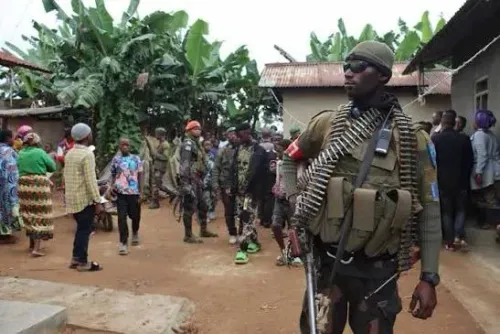
An armed attack in Beni territory, North Kivu on Tuesday night killed at least 24 civilians and triggered fresh displacement.
Clashes in Masisi territory on Wednesday deepened a crisis that has displaced 270,000 people as of May .
Hostilities in Fizi and Mwenga territories, South Kivu , reportedly involved drones , cutting off more than 165,000 people from regular aid over two years.
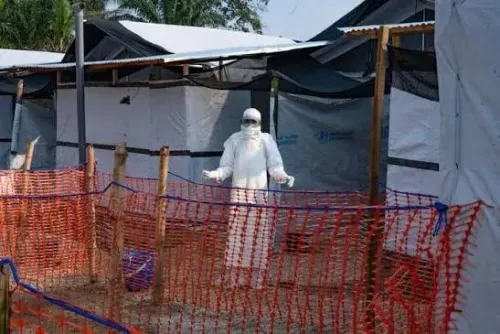
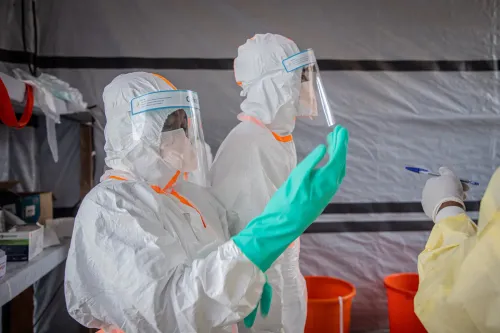
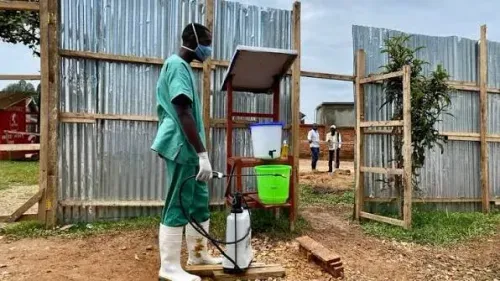
Ebola cases have been confirmed in both North Kivu and South Kivu , with the UN warning violence is directly hindering the epidemic response.
Since April , aid partners have reached more than 8,000 people in Beni territory with cash assistance despite access restrictions.
The UN is calling on all parties to respect international humanitarian law and allow unimpeded humanitarian access.
Escalating armed attacks in eastern Democratic Republic of the Congo (DRC) have killed at least 24 civilians and are now jeopardising the ongoing Ebola epidemic response in North Kivu and South Kivu provinces, the United Nations warned on 6 June. The Office for the Coordination of Humanitarian Affairs (OCHA) said the surge in violence is severely restricting humanitarian access and forcing aid organisations to pull back from several areas.
Key Attacks This Week
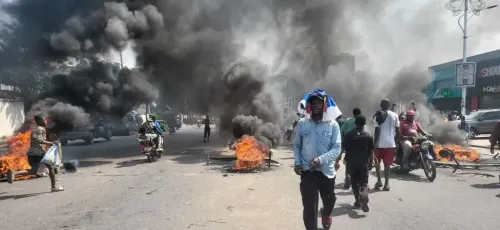
In North Kivu, local authorities reported an armed assault in Beni territory on Tuesday night that killed at least 24 civilians and triggered a fresh wave of displacement. In neighbouring Masisi territory, heavy clashes on Wednesday drove more residents from their homes, deepening a crisis that had already displaced 270,000 people as of May.
In South Kivu, local authorities reported hostilities on Wednesday in the Fizi and Mwenga territories, reportedly involving the use of drones, which sparked further displacement. Over the past two years, insecurity in those areas has cut off more than 165,000 people from regular humanitarian assistance, according to reports.
Ebola Response Under Threat
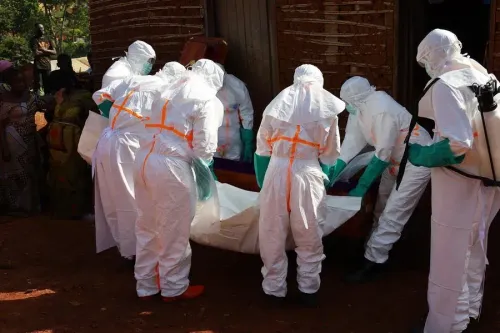
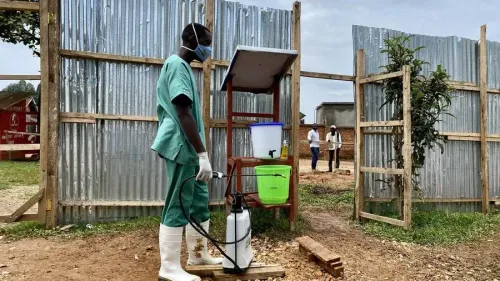
OCHA expressed grave concern that the ongoing violence in the two eastern provinces could directly hinder the response to the Ebola epidemic, which has already been confirmed in both North Kivu and South Kivu. Stephane Dujarric, spokesperson for UN Secretary-General Antonio Guterres, said on Friday that Ebola cases have been reported in both provinces and that the combination of insecurity and disease makes humanitarian operations 'even more complicated.'
'The renewed violence has compelled humanitarian organisations to restrict movements in several areas, further limiting access to affected populations,' OCHA said in its statement.
Humanitarian Access and Aid Efforts
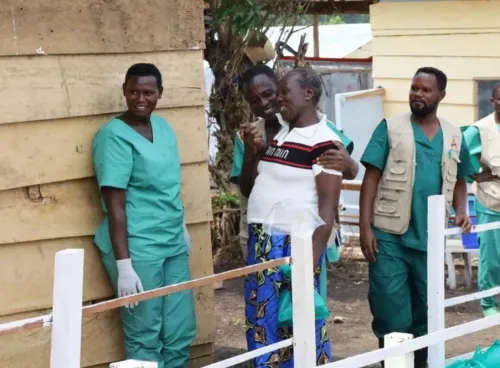
Despite the constraints, OCHA said life-saving assistance continues wherever access permits. Since April, humanitarian partners have provided cash assistance to more than 8,000 people in Beni territory alone. The UN is calling on all parties to the conflict to respect international humanitarian law and ensure unimpeded, safe, and sustained access for aid workers.
Broader Crisis Context
Eastern DRC has been gripped by cyclical armed conflict for decades, but the current escalation is compounding an already catastrophic humanitarian situation. The displacement of 270,000 people in North Kivu as of May reflects a pattern of recurring violence that repeatedly resets humanitarian progress. The addition of an active Ebola outbreak to this environment presents a particularly dangerous combination — one that global health authorities have long flagged as among the hardest scenarios to manage. Notably, previous Ebola responses in the DRC have been severely hampered by insecurity, most critically during the 2018–2020 outbreak in the same region, which became the second-largest Ebola epidemic in recorded history. The current situation risks following a similar trajectory if access is not restored quickly.
With humanitarian organisations already operating under severe constraints, the window for containing the Ebola outbreak before it spreads further may narrow rapidly unless security conditions improve.
Point of View
Raising the operational risk for aid workers to a new level. The 270,000 displaced in North Kivu alone represent a mobile, unvaccinated population — precisely the conditions under which Ebola spreads fastest. Global attention on DRC tends to spike during Ebola alerts and fade once containment appears plausible; the deeper security failure that makes each outbreak harder to manage than the last rarely receives sustained scrutiny.
NationPress
21 Oct 2026
Frequently Asked Questions
What happened in Beni territory, DRC this week?
An armed attack in Beni territory in North Kivu on Tuesday night killed at least 24 civilians and triggered fresh displacement, according to local authorities cited by OCHA. It is among the deadliest single incidents in the region in recent weeks.
How is the violence affecting the Ebola response in DRC?
OCHA has warned that ongoing violence in North Kivu and South Kivu is forcing humanitarian organisations to restrict their movements, directly limiting access to populations affected by the Ebola outbreak. UN Secretary-General spokesperson Stephane Dujarric confirmed Ebola cases have been reported in both provinces.
How many people have been displaced in eastern DRC?
As of May, approximately 270,000 people had been displaced in North Kivu alone, with fresh displacement triggered by clashes in Masisi territory on Wednesday. Over the past two years, insecurity in South Kivu has cut off more than 165,000 people from regular humanitarian assistance.
What is the UN calling for in response to the DRC crisis?
The United Nations is calling on all parties to the conflict to respect international humanitarian law and to provide unimpeded, safe, and sustained access for humanitarian workers. OCHA said life-saving assistance continues wherever access is possible.
Is this the first time Ebola and conflict have coincided in eastern DRC?
No. Eastern DRC experienced a severe overlap of conflict and Ebola during the 2018-2020 outbreak in the same region, which became the second-largest Ebola epidemic on record. The current situation echoes those conditions, raising concern among global health authorities about containment prospects.