DR Congo Ebola outbreak: UN warns insecurity halts response in North Kivu
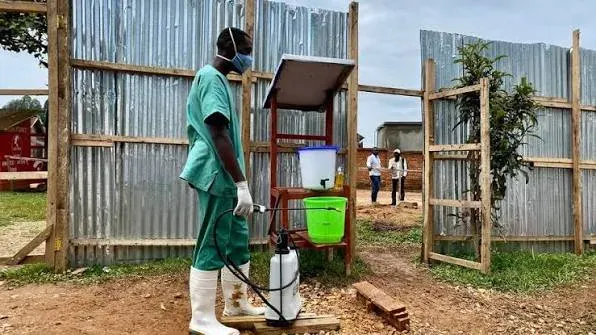
Synopsis
An active Ebola outbreak spanning five DRC provinces is being compounded by armed violence in North Kivu — the same region that produced history's second-largest Ebola crisis in 2018. With 2,473 confirmed cases, six aid organisations suspended, and cross-border transmission risks into Uganda and South Sudan, the UN is now warning that insecurity may be the biggest obstacle to containing the disease.
Key Takeaways
The UN confirmed on 23 July that insecurity in North Kivu, DRC is blocking Ebola response operations.
At least 30 people were killed and 12 injured in attacks in Beni territory between 13–19 July .
At least 6 humanitarian organisations , including Ebola response partners, have suspended field movements in Beni.
2,473 confirmed Ebola cases have been recorded across 5 provinces as of 20 July .
The outbreak, caused by the Bundibugyo ebolavirus , was declared on 15 May .
Cross-border movement with Uganda and South Sudan is identified as a key transmission risk.
The United Nations has warned that worsening insecurity in North Kivu province of the Democratic Republic of the Congo (DRC) is severely hampering humanitarian operations, including efforts to contain an ongoing Ebola outbreak that has now spread across five provinces. The alert was issued on Wednesday, 23 July by UN Secretary-General spokesperson Stéphane Dujarric at a daily press briefing.
Violence Displaces Civilians, Cuts Humanitarian Access
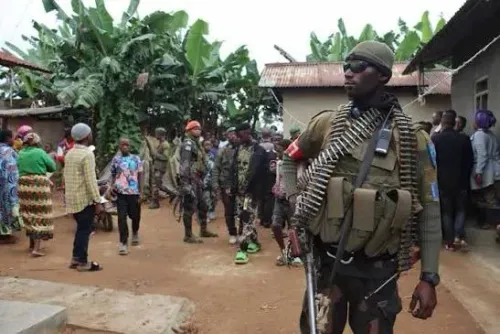
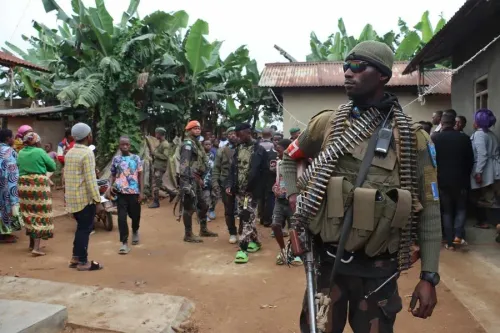
According to local civil society organisations cited by Dujarric, at least 30 people were killed and a dozen others injured in a series of attacks in Beni territory, North Kivu, between 13 and 19 July. The violence has displaced civilians and severely restricted humanitarian access in the affected areas.
At least six humanitarian organisations — including partners directly supporting the Ebola response — have suspended movements to several localities in Beni territory, according to the UN Office for the Coordination of Humanitarian Affairs (OCHA). The suspension marks a critical setback at a moment when containment efforts require uninterrupted field presence.
Scale of the Ebola Outbreak
As of 20 July, national health authorities in the DRC had recorded 2,473 confirmed Ebola cases across the provinces of Ituri, North Kivu, South Kivu, Haut-Uele, and Tshopo. The outbreak was formally declared on 15 May and is caused by the Bundibugyo ebolavirus strain.
Notably, this strain — distinct from the more commonly known Zaire ebolavirus — has a historically lower case fatality rate but remains highly dangerous and difficult to contain in conflict-affected terrain. The current outbreak has spread rapidly, with population movements, artisanal mining activity, and cross-border exchanges with Uganda and South Sudan identified as key transmission drivers.
What the UN Is Doing
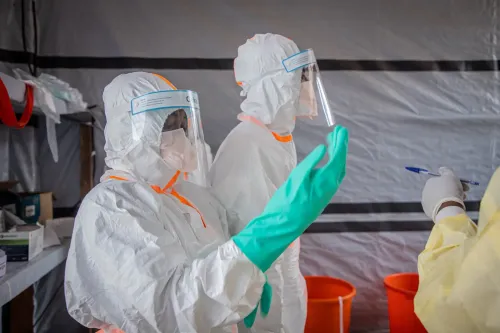
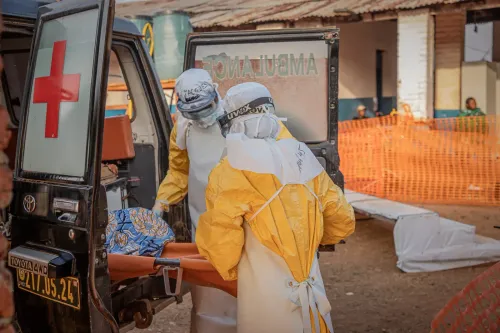
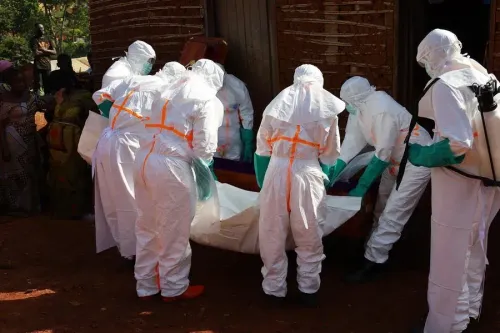
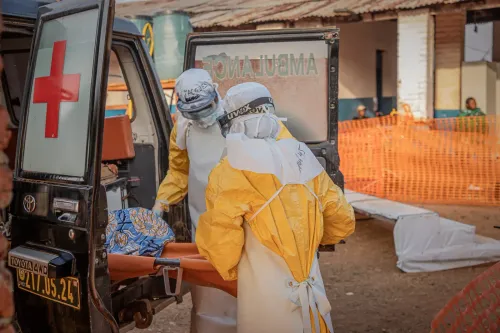
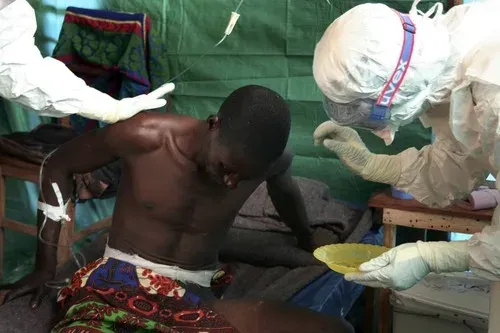
The UN and its humanitarian partners are continuing to support DRC authorities in scaling up surveillance, laboratory testing, treatment, and community engagement across all affected provinces. However, the security constraints are limiting the pace and reach of these activities.
Dujarric reiterated the UN's call on all parties to the conflict to protect civilians and ensure safe and unhindered humanitarian access. 'The safety of all health workers and humanitarian personnel remains essential to containing the outbreak and delivering assistance to everyone in need,' he said.
Why This Matters Beyond the DRC
The convergence of armed conflict and an active Ebola outbreak in a region with active cross-border movement is a scenario global health authorities have long flagged as among the most difficult to manage. The presence of transmission corridors into Uganda and South Sudan raises the prospect of regional spread. This is not the DRC's first Ebola crisis in North Kivu — the 2018–2020 outbreak in the same province became the second-largest in history, partly because insecurity blocked responders. The current situation carries echoes of that episode.
What Happens Next
Containment will depend heavily on whether armed groups allow humanitarian and health workers to operate safely in Beni territory. The UN's appeal for civilian protection is directed at all parties to the conflict. Until access is restored, surveillance gaps will continue to create blind spots in the outbreak map, making projections on case counts unreliable. All eyes are now on whether a negotiated humanitarian corridor can be established in the coming days.
Point of View
And the international community has repeatedly discovered that outbreak response without armed-group cooperation is essentially impossible. The 2018–2020 outbreak proved that. What is missing from the current response is any credible mechanism to compel or negotiate humanitarian access — the UN's 'call on all parties' is a moral appeal with no enforcement architecture behind it. With cross-border transmission corridors into Uganda and South Sudan already active, the window to contain this within DRC borders is narrowing fast.
NationPress
21 Oct 2026
Frequently Asked Questions
How many Ebola cases have been confirmed in the DRC?
As of 20 July, national health authorities in the DRC had confirmed 2,473 Ebola cases across five provinces: Ituri, North Kivu, South Kivu, Haut-Uele, and Tshopo. The outbreak was declared on 15 May and is caused by the Bundibugyo ebolavirus strain.
Why is the Ebola response in DR Congo being disrupted?
Armed attacks in Beni territory, North Kivu, between 13 and 19 July killed at least 30 people and displaced civilians, forcing at least six humanitarian organisations — including Ebola response partners — to suspend operations in several localities. The insecurity has cut field access at a critical point in containment efforts.
What is the Bundibugyo ebolavirus?
The Bundibugyo ebolavirus is a strain of the Ebola virus distinct from the more commonly known Zaire strain. It generally has a lower case fatality rate but remains dangerous and difficult to control in conflict-affected areas. The current DRC outbreak, declared on 15 May, is caused by this strain.
Is there a risk of Ebola spreading beyond the DRC?
Yes, according to the UN. Population movements, artisanal mining activity, and cross-border exchanges with Uganda and South Sudan are identified as active transmission drivers. The presence of these corridors raises the risk of regional spread if the outbreak is not contained within DRC borders.
What is the UN doing to address the crisis?
The UN and its humanitarian partners are supporting DRC authorities in scaling up surveillance, laboratory testing, treatment, and community engagement across affected provinces. The UN has also called on all parties to the conflict to protect civilians and ensure safe, unhindered access for health workers and humanitarian personnel.