Armed groups block Ebola response in DR Congo, UN warns
Synopsis
Armed groups in eastern DR Congo are not just fuelling a conflict — they are actively strangling the Ebola response. With five aid workers detained in Ituri, 20,000 civilians displaced in a single day in South Kivu, and 57 humanitarian incidents recorded in five months, the UN is sounding the alarm: without security guarantees, containing one of the world's deadliest viruses becomes nearly impossible.
Key Takeaways
Five Ebola response workers were briefly detained by armed groups in Ituri province on Tuesday.
Ituri accounts for more than 90% of all confirmed Ebola cases in the current outbreak.
Nearly 20,000 people were displaced in South Kivu on Monday following clashes in Mwenga and Shabunda territories.
At least 57 humanitarian incidents were recorded in South Kivu between January and May , including threats, aid interference, and movement restrictions.
OCHA warned that humanitarian personnel 'cannot operate safely without security guarantees.' The UN has called on all parties to ensure safe and unhindered access to civilians in need.
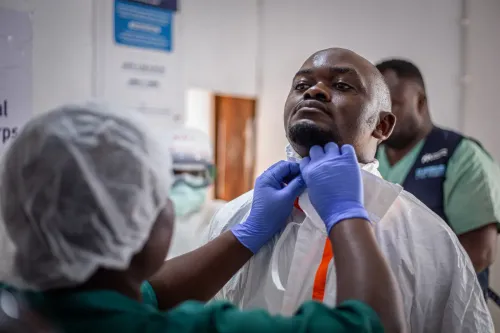
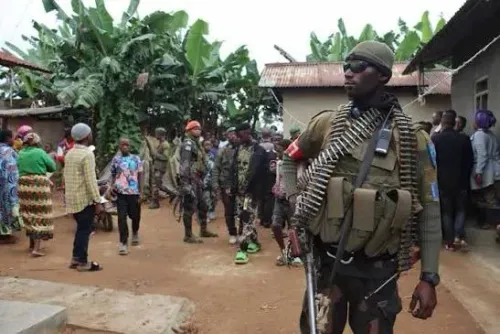
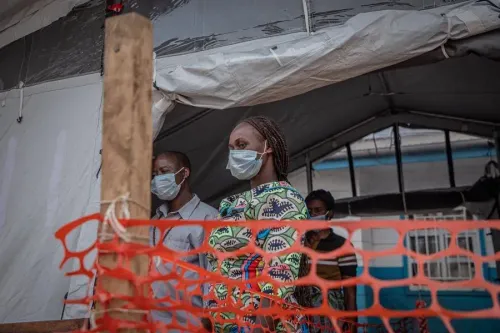
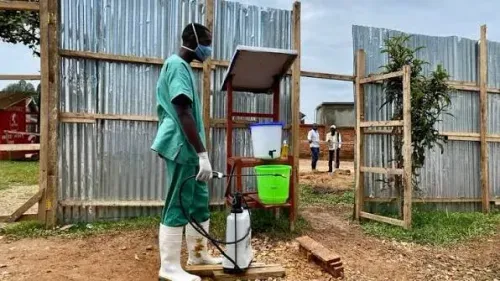
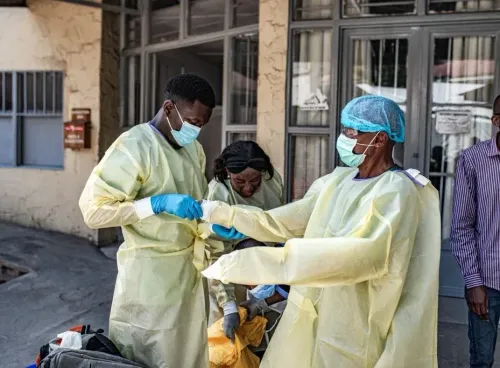
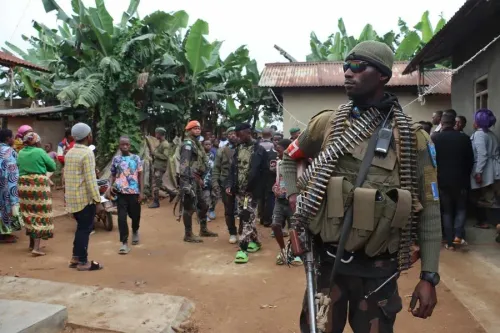
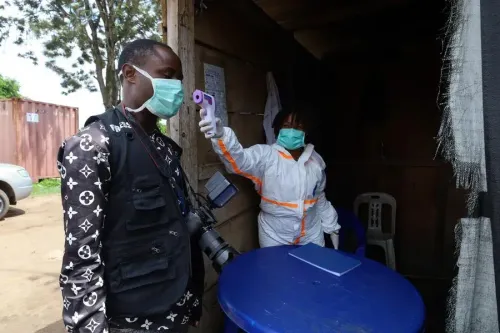
Violent armed groups are obstructing the Ebola outbreak response in eastern Democratic Republic of the Congo (DRC), with aid workers facing detentions, movement restrictions, and threats, the United Nations Office for the Coordination of Humanitarian Affairs (OCHA) warned on 18 June. The crisis is compounding one of the region's most dangerous humanitarian emergencies.
Aid Workers Detained in Ituri Province
Five Ebola response workers were briefly detained on Tuesday by armed groups operating in Ituri province, which remains the epicentre of the current outbreak. According to OCHA, Ituri accounts for more than 90 percent of all confirmed Ebola cases, making unimpeded access to the area critical for containing the disease.
South Kivu: Civilians Displaced, Aid Blocked
In South Kivu province, humanitarian access remains heavily restricted across several areas as active fighting continues to displace civilians. Nearly 20,000 people were forced from their homes on Monday alone, following clashes in Mwenga and Shabunda territories. Displaced families urgently require food, shelter, healthcare, safe drinking water, and protection.
In Fizi territory, aid delivery is also under sustained pressure, with repeated armed group interference threatening both assistance operations and the physical safety of humanitarian personnel.
Between January and May this year, at least 57 incidents directly affecting humanitarians were recorded in South Kivu alone — including threats against staff, interference in aid delivery, and movement restrictions, according to OCHA.
What the UN Said
'Despite these immense challenges, the United Nations and its humanitarian partners continue to support national authorities in containing the outbreak and deliver assistance,' OCHA said in a statement. 'However, humanitarian personnel cannot operate safely without security guarantees.'
The UN has reiterated its call on all parties to the conflict to protect civilians and ensure safe, rapid, and unhindered access to those in need.
Background: Ebola in the DRC
Ebola virus disease was first identified in 1976 during two simultaneous outbreaks — one in Nzara, in what is now South Sudan, and the other in Yambuku, in what is now the DRC. The latter occurred near the Ebola River, from which the disease takes its name. The DRC has since experienced multiple Ebola outbreaks, making it the country most affected by the virus globally.
With armed conflict showing no signs of immediate resolution, the UN's ability to scale up its Ebola containment operations in eastern DRC will depend heavily on whether security conditions improve in the weeks ahead.
Point of View
The outbreak's epicentre in Ituri is effectively a no-go zone for sustained response operations. The 57 humanitarian incidents recorded in South Kivu in just five months signal a pattern of systematic obstruction, not random violence. The UN's repeated calls for 'unhindered access' have gone largely unheeded; without a credible enforcement mechanism or ceasefire, those appeals risk becoming ritual rather than remedy.
NationPress
20 Sept 2026
Frequently Asked Questions
Why is the Ebola response in DR Congo being obstructed?
Armed groups operating in eastern DRC, particularly in Ituri and South Kivu provinces, are detaining aid workers, restricting movement, and interfering with aid delivery. OCHA has recorded at least 57 such incidents in South Kivu alone between January and May this year.
Where is the Ebola outbreak worst in the DRC?
Ituri province is the epicentre of the current outbreak, accounting for more than 90% of all confirmed Ebola cases. Five response workers were briefly detained there by armed groups on Tuesday.
How many people have been displaced by the conflict in South Kivu?
Nearly 20,000 people were displaced in a single day on Monday following clashes in Mwenga and Shabunda territories in South Kivu province. Displaced families require food, shelter, healthcare, safe drinking water, and protection.
What has the UN said about the situation?
OCHA stated that despite immense challenges, the UN and its partners continue to support national authorities in containing the outbreak. However, the agency warned that humanitarian personnel 'cannot operate safely without security guarantees' and called on all parties to ensure unhindered access.
What is the history of Ebola in the DRC?
Ebola was first identified in 1976 near the Ebola River in what is now the DRC. The country has since experienced multiple outbreaks and remains the most affected nation globally by the virus.