Unveiling the Dark Side of Pakistan's Textile Recycling Industry: Exploitative Conditions and Labor Rights Violations
Synopsis
A recent study reveals shocking labor rights violations in Pakistan's textile recycling sector, questioning the ethics behind 'sustainable fashion.' As leading brands promote recycled clothing, many remain oblivious to the harsh realities faced by workers. Discover the grim conditions and the urgent call for change in this critical exposé.
Key Takeaways
Labour Rights Violations: Workers face exploitative conditions in Pakistan's textile recycling industry.
Long Working Hours: Employees often work up to 12 hours a day without formal contracts.
Health Hazards: Exposure to hazardous chemicals leads to serious health issues.
Child Labor: The study found instances of child labor in the sector.
Call for Accountability: Fashion brands are urged to take responsibility for their supply chains.
Islamabad, April 13 (NationPress) A recent investigation carried out by the Labour Education Foundation (LEF) in partnership with Arisa, a rights organization based in the Netherlands, has uncovered serious violations of labor rights within Pakistan's textile recycling sector. This raises significant concerns regarding the actual implications of "sustainable fashion," as reported by local media.
While fashion companies promote textile recycling as a cornerstone of sustainability, they largely remain oblivious or unaccountable for the labor rights abuses present in the systems that facilitate this recycling process. The study examined 20 prominent brands, as highlighted by Pakistan's leading daily, Dawn.
Despite the fact that these companies market apparel created from recycled textile materials, most lack transparency regarding the working conditions and remuneration offered to laborers managing textile waste across their supply chains. The research, conducted in Pakistan, particularly in Faisalabad and Karachi—two significant centers for the textile recycling industry—has unveiled the stark realities confronting this predominantly informal sector.
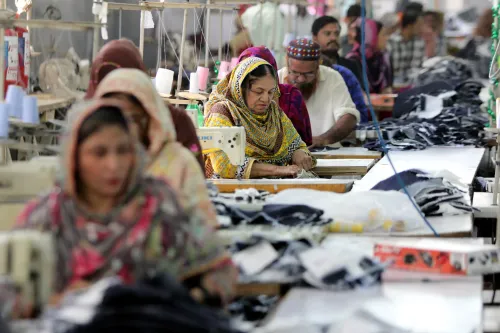
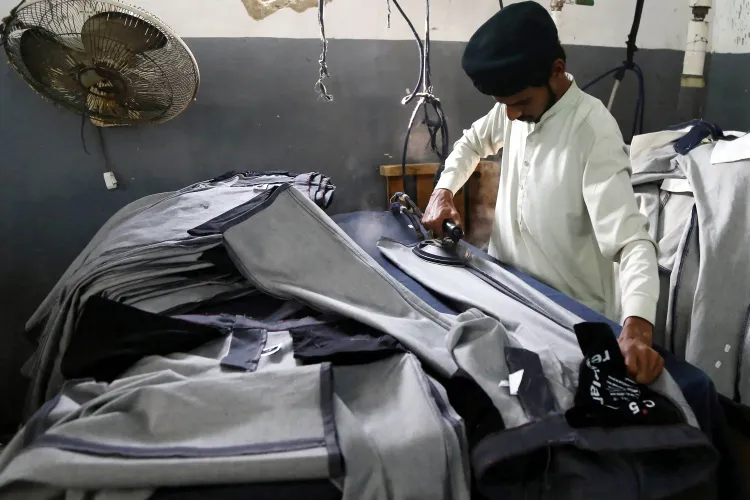
Workers reported enduring shifts lasting up to 12 hours daily, seven days a week, frequently without formal contracts, pay slips, or job security. As noted in the report, wages are often provided in cash and are insufficient to cover basic living expenses.
The findings reveal that workers are consistently exposed to extreme heat, dust, and dangerous chemicals without adequate ventilation or protective gear, resulting in respiratory issues, skin irritations, and other health problems. The use of machinery without proper training further heightens the risk of severe injuries.
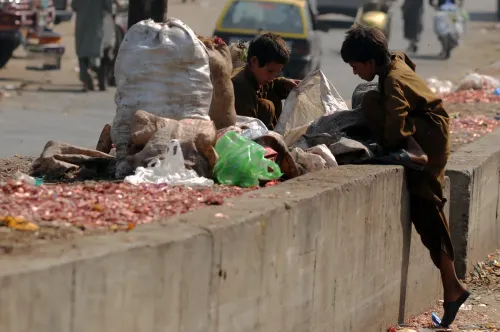
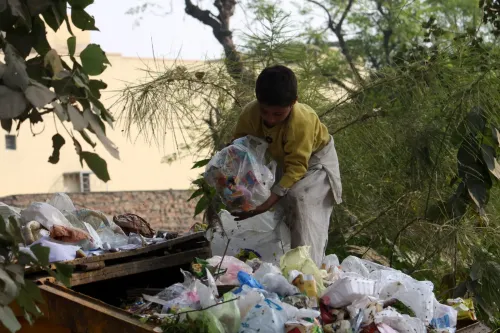
The report emphasizes the precarious position of these workers, who largely consist of migrants and individuals from marginalized communities. With limited job opportunities available, many laborers are compelled to accept these unfavorable conditions. Furthermore, the report documented instances of child labor within the industry.
Despite these alarming findings, Dawn reported that many brands either lack knowledge about their recycling supply chains or deflect responsibility through ambiguous disclosures, all while marketing recycled clothing as a sustainable and ethical option.
LEF and Arisa have called upon fashion brands to take responsibility by mapping their supply chains, including recycling facilities, and addressing the associated labor and human rights risks.
Point of View
I find the revelations from this study alarming yet not surprising. The dream of sustainable fashion is marred by the harsh realities faced by workers in Pakistan's textile recycling industry. It is crucial for brands to take accountability and ensure humane working conditions for laborers who are essential to their supply chains.
NationPress
19 Sept 2026
Frequently Asked Questions
What did the recent study reveal about the textile recycling industry in Pakistan?
The study uncovered significant labor rights violations, exposing workers to hazardous conditions and exploitative wages, challenging the ethics of 'sustainable fashion' claims made by brands.
How many brands were analyzed in the research?
The research analyzed 20 leading fashion brands to assess their accountability regarding labor rights in textile recycling.
What are the working conditions like for workers in the industry?
Workers often endure long hours with no formal contracts, experiencing extreme heat, dust, and exposure to hazardous chemicals without proper safety measures.
What is the call to action from the study's authors?
LEF and Arisa urge fashion brands to map their supply chains and address labor and human rights risks associated with textile recycling.
Are there instances of child labor in this sector?
Yes, the report documented cases of child labor within the textile recycling industry, raising further ethical concerns.