Why are TN Fishermen Protesting After 22 Arrested by Sri Lankan Navy?
Synopsis
Fishermen in Tamil Nadu have halted fishing operations to protest the recent arrest of 22 of their peers by the Sri Lankan Navy. This incident has sparked calls for urgent intervention from the Indian government. As families face financial strain, the fishermen demand diplomatic action to resolve the crisis and ensure their livelihoods are protected.
Key Takeaways
Fishing activities suspended across Ramanathapuram due to protests.
22 fishermen arrested by the Sri Lankan Navy.
Strikes organized by fishermen's associations demanding government intervention.
Fishermen face financial distress due to ongoing detentions.
Calls for diplomatic action to resolve the crisis.
Ramanathapuram (Tamil Nadu), Feb 21 (NationPress) Fishing operations came to a halt across several areas of the Ramanathapuram coast in Tamil Nadu on Saturday, following the arrest of 22 fishermen from Rameswaram and Mandapam by the Sri Lankan Navy earlier this week.
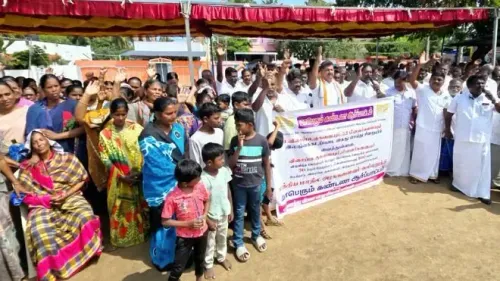
Members from different fishermen's associations organized a day-long strike to condemn these arrests and called upon the Union government to intervene for their release.
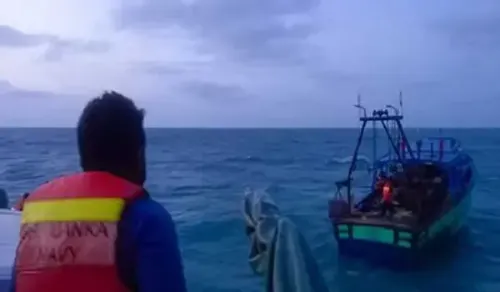
As per the association leaders, the fishermen were taken into custody nearly three days prior while they were fishing in the Palk Strait.
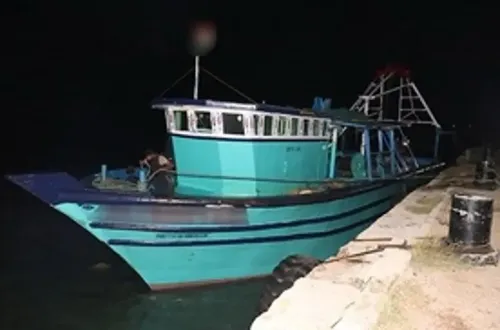
The Sri Lankan Navy reportedly detained these fishermen along with four mechanized trawlers in close proximity to the islets of Katchatheevu and Neduntheevu.
Subsequently, the apprehended fishermen were presented before a Sri Lankan court and were remanded to 15 days of judicial custody.
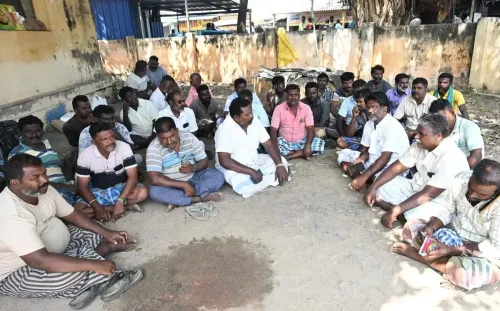
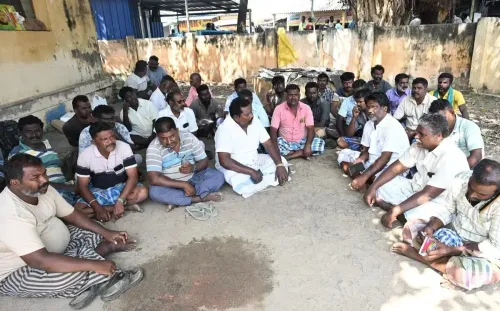
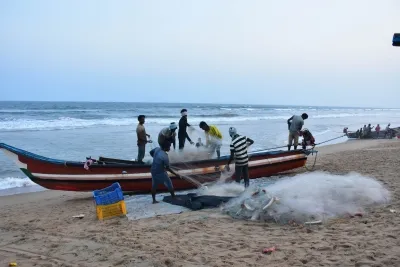
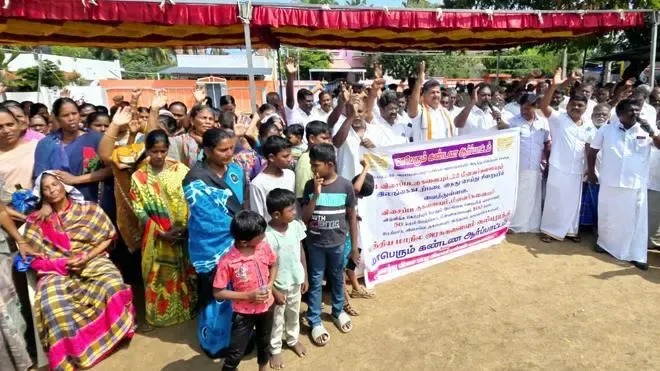
In a show of protest, fishermen abstained from going to sea on Saturday.
A demonstration at Thangachimadam saw participation from over 400 individuals, including boat owners and crew members.
Fishermen leader Jesu Raja criticized the Union government for its perceived inaction, describing it as a failure to intervene in a timely manner.
He expressed that the Central government should not act as a “mute spectator” while Tamil Nadu fishermen face repeated detentions.
Referring to Sri Lankan President Anura Kumara Dissanayake's recent visit to New Delhi for an international summit, Raja emphasized that the issue of arrests in the Palk Strait should have been addressed at the highest diplomatic level.
He appealed to Prime Minister Narendra Modi to directly discuss this matter with the Sri Lankan leadership to avert future incidents.
Fishermen in the region, who have historically relied on the Palk Strait for their livelihood, reported that the ongoing arrests have plunged many families into financial difficulties.
In recent times, Sri Lankan authorities have seized numerous mechanized boats, often failing to return them.
Representatives from the associations claim that over 100 Indian trawlers are currently held in Sri Lankan custody, leading to significant losses for boat owners already burdened with debts.
Aside from the economic ramifications, these arrests have also inflicted social hardships.
Families of the detained fishermen frequently find themselves needing to pay fines set by Sri Lankan courts.
Failure to meet these financial obligations can lead to extended imprisonment, exacerbating the anxiety and psychological stress experienced by women and children at home.
The protesting fishermen have urged the Union government to strive for a sustainable diplomatic resolution, ensure the safe return of the incarcerated fishermen, and facilitate the recovery of the confiscated boats to protect their livelihoods.
Point of View
It is essential to recognize that the fishermen's protest in Tamil Nadu reflects a broader issue of international relations and maritime rights. The repeated detentions of Indian fishermen by the Sri Lankan Navy must be addressed with urgency and sensitivity. The government should prioritize diplomatic discussions to protect the livelihoods of these fishermen while maintaining peaceful relations with our neighboring country.
NationPress
8 Oct 2026
Frequently Asked Questions
Why were the fishermen arrested?
The fishermen were arrested by the Sri Lankan Navy while they were fishing in the Palk Strait.
How many fishermen are currently detained?
A total of 22 fishermen from Rameswaram and Mandapam are currently detained.
What has been the response from the fishermen's associations?
Fishermen's associations have organized strikes and protests, demanding the Union government intervene for the release of the detained fishermen.
What are the economic impacts of these arrests?
The arrests have resulted in financial distress for many families reliant on fishing, with over 100 Indian trawlers still held in Sri Lankan custody.
What do the fishermen want from the government?
They are urging the Union government to ensure the safe return of the jailed fishermen and retrieval of their impounded boats.