Trump Admin Targets Foreign Trucking Licenses, Fast-Tracks Veterans
Synopsis
The Trump administration is cancelling nearly 200,000 non-domiciled commercial driver's licenses held by foreign nationals, directing states to revoke 30,000-plus permits, and expanding the expedited CDL pathway for US military veterans — framing the overhaul as both an immigration enforcement and road-safety measure.
Key Takeaways
The Trump administration is moving to eliminate nearly 200,000 non-domiciled CDLs issued to foreign nationals by US states.
States have already been directed to cancel more than 30,000 commercial licenses the administration says were issued illegally to foreign drivers.
The administration is expanding the time window for US military veterans to apply for an expedited commercial trucking license.
The White House claims traffic fatalities have dropped to a historic low, though a direct causal link to licensing policy has not been established.
The policy couples immigration enforcement with veteran employment preferences — a recurring 'America First' formula in the Trump era.
State DMV compliance, potential court challenges, and cross-border trade impacts — especially with Canada and Mexico — are the key variables to watch.
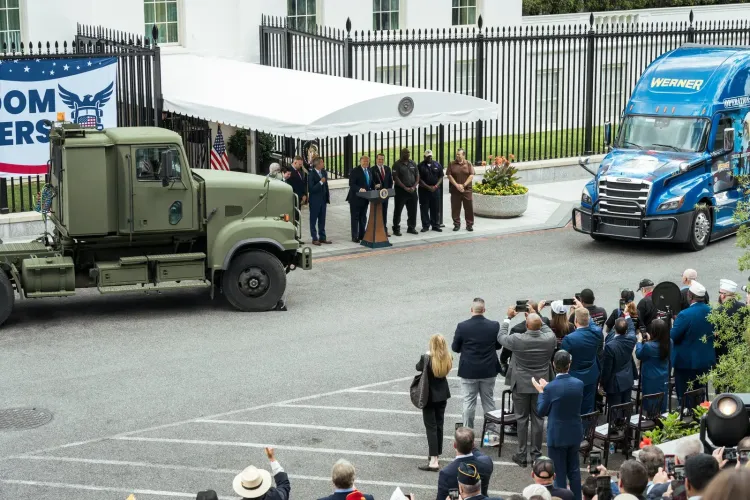
A sweeping overhaul of commercial trucking licenses is underway in the United States, as the Trump administration moves to eliminate the vast majority of permits held by foreign nationals while simultaneously opening a faster lane for military veterans to enter the industry. The White House announced the measures on Thursday, July 31, 2026, framing them as both a workforce and road-safety initiative.
Nearly 200,000 Non-Domiciled Licenses in the Crosshairs
At the centre of the policy is the elimination of what the administration calls nearly 200,000 non-domiciled commercial driver's licenses (CDLs) — permits issued by individual US states to foreign nationals who do not hold US residency. These licenses have historically allowed cross-border and temporary commercial drivers to operate legally on American roads. Under the new federal push, states have already been directed to cancel more than 30,000 such licenses that the administration says were issued in violation of existing rules.
Non-domiciled CDLs exist in a regulatory grey zone: states issue them, but federal standards govern commercial vehicle operations nationwide. The Trump administration is using that federal leverage to compel state motor vehicle agencies to comply, a move that could face legal scrutiny from affected drivers and trucking industry groups.
The Veteran Fast-Track: An Expanded Window to the Wheel
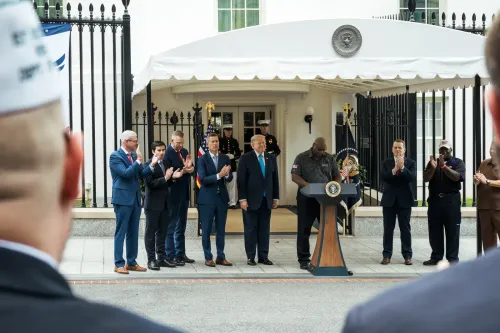
On the other side of the ledger, the administration says it is expanding the time frame within which US military veterans can apply for an expedited commercial trucking license — a pathway that converts military driving experience into civilian CDL credentials with reduced testing burdens. The trucking sector has long faced a structural driver shortage, and veteran hiring incentives have been a recurring policy tool across administrations to address it.
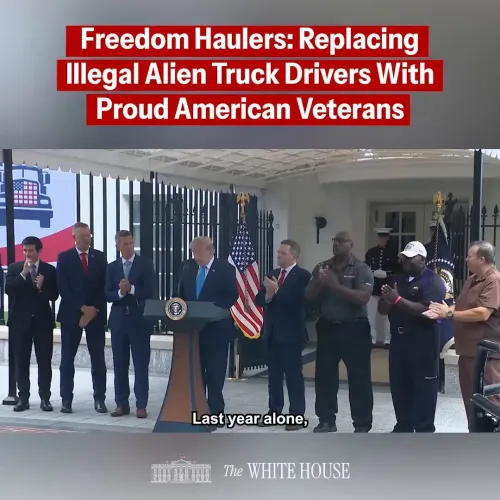
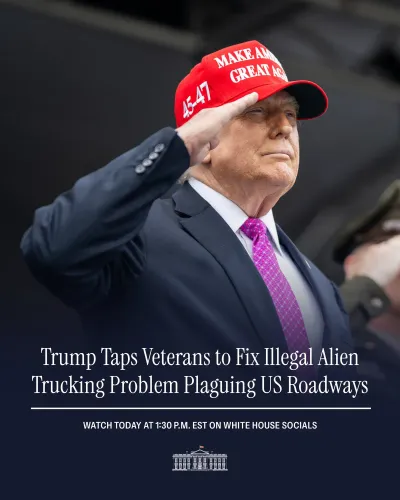
The White House post pairs the two measures deliberately: restricting foreign participation while expanding domestic — specifically veteran — access. The framing, 'Putting America's Veterans FIRST,' signals that this is as much a political statement as a regulatory one, tying immigration enforcement directly to a pro-veteran workforce narrative.
The Safety Claim and What the Numbers Mean
The administration also claims that traffic fatalities have fallen to a 'historic low,' attributing the trend — at least implicitly — to its licensing crackdown. That causal link is not established by the post itself, and the specific fatality figures cited have not been independently confirmed. Road safety outcomes are shaped by a wide range of factors including vehicle technology, infrastructure, and enforcement patterns well beyond driver licensing policy.
What is clear is that commercial vehicle safety has been a genuine federal priority for years, with regulators tracking CDL standards closely. Whether the license cancellations have materially moved the safety needle is a question that updated federal data will need to answer.
America First Trucking and the Road to Compliance
The broader pattern here is unmistakable: the Trump administration is applying its 'America First' framework to a sector — long-haul trucking — that underpins the entire US supply chain. By coupling immigration enforcement with veteran employment incentives and a safety rationale, the policy is designed to be politically durable across multiple constituencies. State DMVs now face the operational challenge of executing large-scale license cancellations, and the trucking industry, which has historically relied on a diverse driver pool, will be watching closely for any disruption to freight capacity.
Court challenges from non-domiciled license holders and pushback from cross-border trade partners — particularly Canada and Mexico, whose drivers operate extensively on US roads — remain the most significant variables to watch as implementation unfolds.
Point of View
Then wrap both in a public-safety rationale. The political architecture is deliberate — it is difficult to oppose on any single front without appearing to be against veterans, border enforcement, or road safety simultaneously. The deeper policy question is whether mass CDL cancellations will tighten an already strained driver supply chain, potentially raising freight costs at a time when inflation remains politically sensitive. State-level resistance and legal challenges from affected foreign nationals — particularly cross-border drivers from Canada and Mexico operating under bilateral trade frameworks — could complicate and slow implementation considerably.
NationPress
31 Jul 2026
Frequently Asked Questions
What is a non-domiciled CDL in the United States?
A non-domiciled commercial driver's license (CDL) is a permit issued by a US state to a foreign national who does not hold US residency, allowing them to legally operate commercial vehicles on American roads, often for cross-border or temporary operations.
How many foreign trucking licenses is the Trump administration cancelling?
The administration says it is eliminating nearly 200,000 non-domiciled CDLs and has already directed states to cancel more than 30,000 licenses it claims were issued illegally to foreign drivers. These figures have not been independently verified.
How does the veteran expedited CDL pathway work?
The expedited CDL pathway allows US military veterans with relevant driving experience to convert their service credentials into civilian commercial driver's licenses with a reduced testing and application burden. The Trump administration says it is now expanding the time frame within which veterans can apply for this fast-track process.
Will cancelling foreign trucking licenses affect supply chains in the US?
Potentially yes. The commercial trucking sector has faced a long-running driver shortage, and a significant reduction in the foreign driver pool could tighten freight capacity. Industry groups and cross-border trade partners like Canada and Mexico are likely to monitor the rollout closely.
Has the Trump administration linked immigration enforcement to trucking policy before?
Yes. The Trump administration's first term included multiple executive actions tightening immigration controls and foreign worker programs across industries. Coupling border enforcement with domestic employment preferences — particularly for veterans — is a recurring pattern in its policy approach.