White House Backs Veterans to Replace Migrant Truck Drivers
Synopsis
The White House declared on July 30, 2026 that it will replace unqualified migrant truck drivers with highly qualified American veterans, signalling a twin push on immigration enforcement and veteran workforce reintegration in the U.S. trucking sector.
Key Takeaways
The White House posted on July 30, 2026 announcing plans to replace migrant truck drivers with American veterans.
The statement frames migrant drivers as 'unqualified' and veterans as a superior, ready workforce.
The U.S. trucking sector moves roughly 70% of all American freight and has long been contested over driver shortages and licensing standards.
The Department of Transportation and Department of Veterans Affairs are the most likely agencies to implement any follow-up policy changes.
No specific regulatory mechanism or implementation timeline was announced alongside the post.
South Asian migrant workers in U.S. logistics could be indirectly affected if commercial driving eligibility rules tighten for non-citizens.
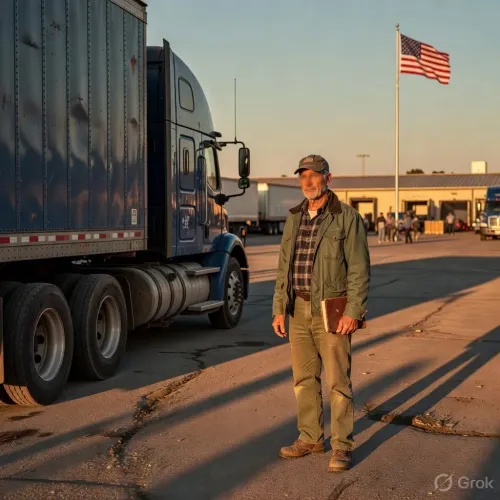
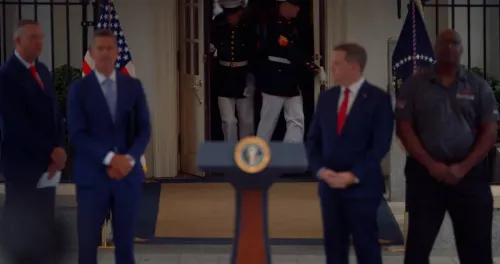
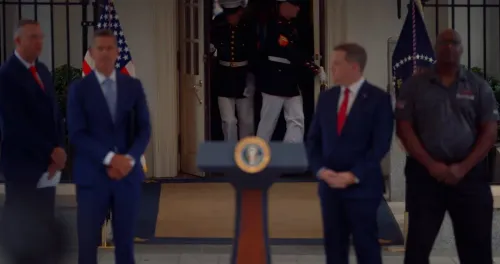
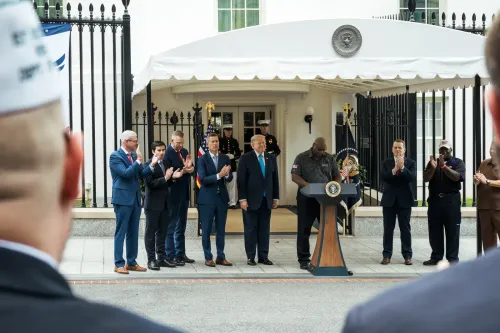
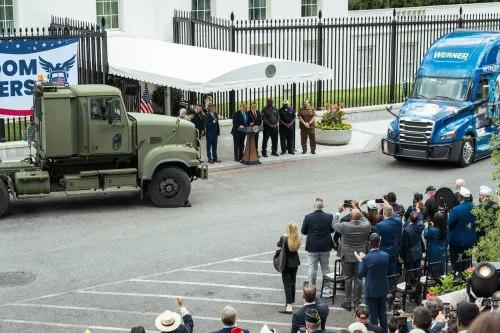
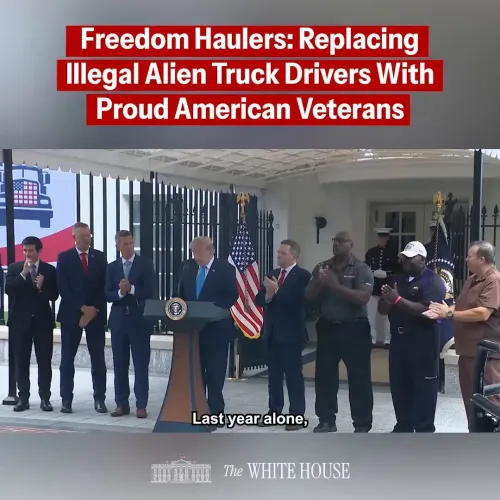
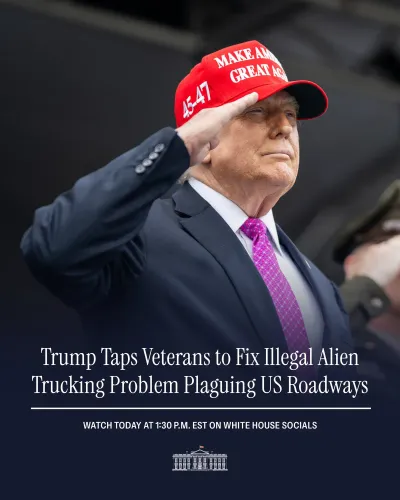
The White House is drawing a sharp line in America's trucking sector — veterans in, unqualified migrant drivers out. In a post on X on July 30, 2026, the official White House account declared the administration's intent to replace 'unqualified migrant truck drivers with highly qualified American veterans.'
Veterans Behind the Wheel: The Push to Redirect a Workforce
The statement taps into two of the most politically charged currents in U.S. domestic policy: immigration enforcement and veteran reintegration. American veterans have long benefited from federal hiring preferences across civilian sectors, and the trucking industry — which moves roughly 70% of all freight in the United States — has been a recurring battleground for debates over driver shortages, licensing standards, and workforce eligibility.
The administration's framing positions the shift as both a workforce-quality upgrade and an immigration enforcement measure, casting migrant drivers as 'unqualified' and veterans as a ready, superior replacement pool. The language is pointed: it does not merely advocate for veterans, it explicitly displaces another group.
What This Means for Trucking, Veterans, and Immigration Policy
The Department of Transportation and the Department of Veterans Affairs are the two federal bodies most likely to operationalise any follow-through — through changes to commercial driver's license rules, veteran employment incentive programmes, or new eligibility restrictions for non-citizen drivers. No specific regulatory mechanism was announced alongside the post.
For India, the statement carries indirect weight: a significant number of truck drivers and logistics workers in the U.S. Midwest and South are of South Asian origin. Any tightening of commercial driving eligibility for migrants could affect that community's employment landscape, even if the post does not name any nationality specifically.
The broader pattern is familiar — linking domestic workforce priorities with immigration restriction is a well-worn playbook in Washington. What changes now is the explicit sector: commercial trucking, a blue-collar backbone that both political parties have courted for years.
Whether this remains a social media declaration or hardens into regulation will define its real-world weight — and veterans waiting for that next assignment will be watching closely.
Point of View
' the administration pre-empts the industry's standard counter-argument that driver shortages require immigrant labour. The statement's vagueness on mechanism is deliberate: it tests public and industry reaction before any regulatory machinery moves. For Indian-Americans in U.S. logistics, the direction of travel is worth monitoring closely.
NationPress
14 Sept 2026
Frequently Asked Questions
What did the White House say about migrant truck drivers?
The White House posted on July 30, 2026 that it intends to replace 'unqualified migrant truck drivers' with 'highly qualified American veterans,' signalling a workforce and immigration policy shift in the U.S. trucking sector.
Will migrant truck drivers lose their jobs in the US?
The White House statement signals that intent, but no specific regulation or executive order has been announced. Any implementation would likely come through the Department of Transportation or changes to commercial driver's license eligibility rules.
How does this affect Indian truck drivers in the United States?
South Asian migrants are a notable presence in U.S. trucking, particularly in the Midwest and South. If commercial driving eligibility rules tighten for non-citizens, that community could face employment disruption, though no specific nationalities were named in the post.
What is the US government doing for veteran employment in trucking?
The White House has signalled a push to channel American veterans into commercial trucking jobs. Existing federal law already includes veteran hiring preferences, and the Departments of Transportation and Veterans Affairs could expand incentive programmes as follow-through.
Is there a driver shortage in US trucking?
Yes, the U.S. trucking industry has faced recurring driver shortages for years, which has historically been cited as a reason to allow migrant workers to fill roles. The White House's new framing rejects that argument, positioning veterans as the preferred solution.