Trump Attends White House Correspondents' Dinner
Synopsis
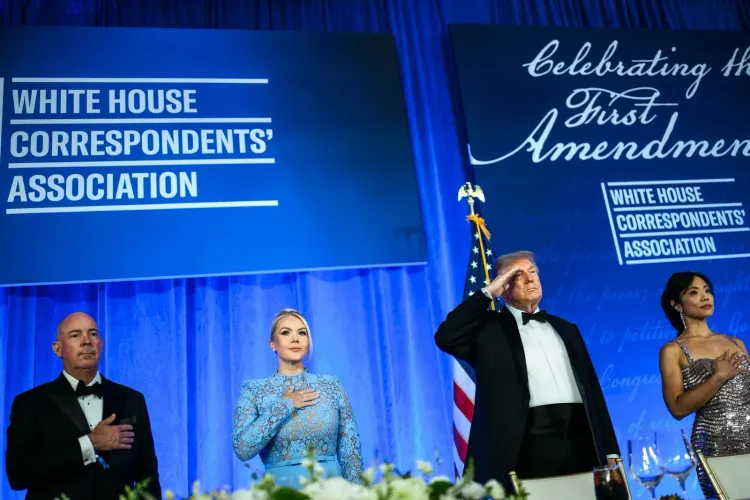
President Donald J. Trump attended the White House Correspondents' Dinner on 25 July 2026, continuing a century-old Washington tradition that brings the president and the White House press corps together for an annual evening of formal recognition and presidential remarks.
Key Takeaways
Trump arrived at the White House Correspondents' Dinner on 25 July 2026 .
The dinner has been held annually since 1922 and is organised by the White House Correspondents' Association .
The event honours members of the White House press corps and typically features formal remarks by the sitting president.
Trump is serving his second term as US president, having previously held office from 2017 to 2021 .
Presidential attendance at the dinner is widely read as an indicator of the working relationship between the executive branch and the media.
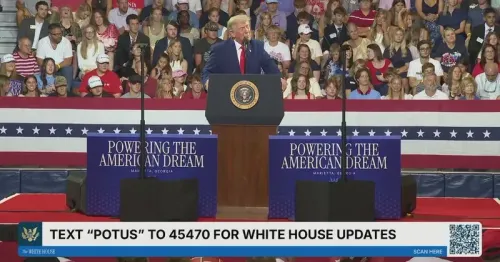
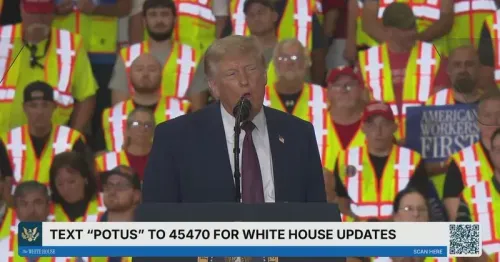
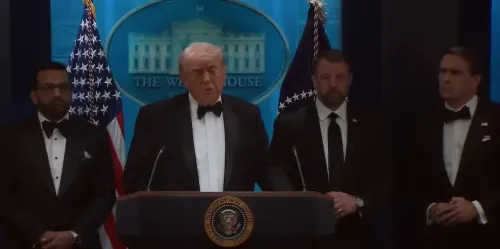
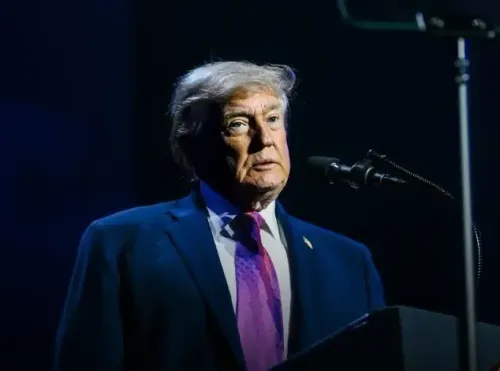
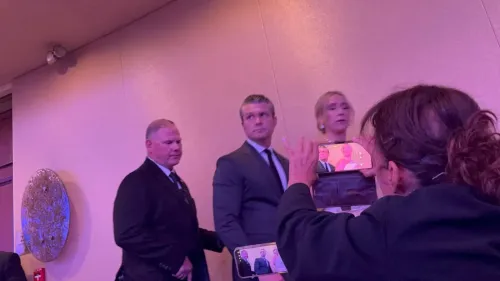
President Donald J. Trump arrived at the White House Correspondents' Dinner on Saturday, 25 July 2026, with the official White House communications account announcing his attendance on X alongside an image of the president's arrival.
Context
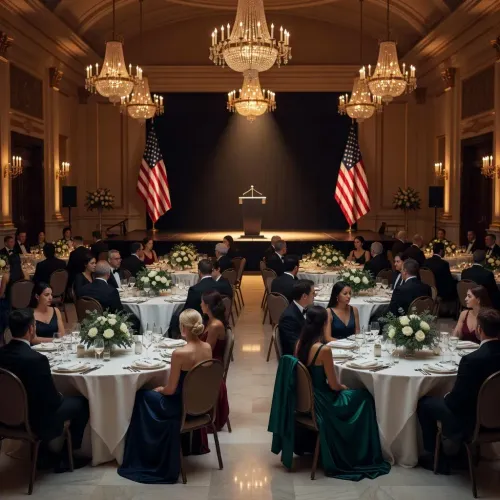
The White House Correspondents' Dinner is one of Washington's most enduring annual traditions, held every year since 1922 to honour members of the White House press corps. Organised by the White House Correspondents' Association — the professional body representing journalists who cover the executive branch — the event brings together reporters, editors, administration officials, and the president under one roof.
Presidential attendance has historically served as a visible signal of the working relationship between the Oval Office and the media that covers it. The dinner typically features formal remarks by the sitting president alongside lighter exchanges, blending policy commentary with ceremony.
Policy Backdrop
Trump, who is serving his second term as President of the United States having previously held the office from 2017 to 2021, has had a notably complex relationship with the White House press corps across both terms. His appearance at the 2026 dinner continues a broader pattern in which the event remains a fixed point on the Washington calendar regardless of the administration in power.
The Correspondents' Association has hosted the dinner for over a century, and the gathering is widely regarded as one of the few occasions where the press and the presidency share a formal, if sometimes tense, public setting. Remarks delivered by the president at the dinner are closely watched for tone and substance.
Stakeholders and Impact
The primary stakeholders in the evening are the White House press corps and the broader community of media organisations that maintain credentials to cover the executive branch. For journalists, the dinner represents both professional recognition and a rare opportunity for direct, informal proximity to the president.
For the administration, the event carries symbolic weight — attendance signals a degree of engagement with the institutional press, while the president's remarks offer a platform that reaches beyond the room to a national and international audience.
What's Next
Attention will now turn to any remarks President Trump delivered during the dinner and the reactions they draw from press organisations and administration officials in the days ahead. The tone and content of a sitting president's address at the Correspondents' Dinner frequently sets the media narrative for the days that follow, making the post-dinner commentary as significant as the event itself.
How the White House and the Correspondents' Association characterise the evening in subsequent statements will offer a further indication of the state of the press-presidency relationship as Trump's second term continues.
Point of View
Even if the underlying tensions between the White House and the press corps remain unresolved. For the Correspondents' Association, the president's presence lends the event its fullest ceremonial weight. How Trump chose to use his remarks — whether conciliatory, combative, or comedic — will likely define how this edition of the dinner is remembered.
NationPress
25 Jul 2026
Frequently Asked Questions
What is the White House Correspondents' Dinner?
The White House Correspondents' Dinner is an annual event held in Washington DC since 1922 to honour journalists who cover the White House. It is organised by the White House Correspondents' Association and typically features remarks by the sitting US president.
Did Trump attend the White House Correspondents' Dinner in 2026?
Yes. President Donald J. Trump arrived at the White House Correspondents' Dinner on 25 July 2026, as announced by the official White House account on X.
Who organises the White House Correspondents' Dinner?
The White House Correspondents' Association, the professional body representing journalists who cover the executive branch, organises the dinner each year.
What happens at the White House Correspondents' Dinner?
The dinner honours members of the White House press corps and typically includes formal recognition of journalists, entertainment, and remarks delivered by the US president.
Why is Trump's attendance at the Correspondents' Dinner significant?
Presidential attendance at the dinner is widely seen as a signal of the relationship between the White House and the media. Given the historically complex dynamic between Trump and the press, his appearance carries added symbolic weight.