CM Fadnavis presents Vitthal Nirmal Dindi Award 2026 at Pandharpur
Synopsis
Chief Minister Devendra Fadnavis presented the Shri Vitthal Nirmal Dindi Puraskar 2026 at Pandharpur on Ashadhi Ekadashi, honouring three Dindi groups — led by Kaundanyapur's temple trust — for blending the centuries-old Wari pilgrimage tradition with social awareness campaigns.
Key Takeaways
Chief Minister Devendra Fadnavis presented the Shri Vitthal Nirmal Dindi Puraskar 2026 at Pandharpur on 25 July 2026 , Ashadhi Ekadashi.
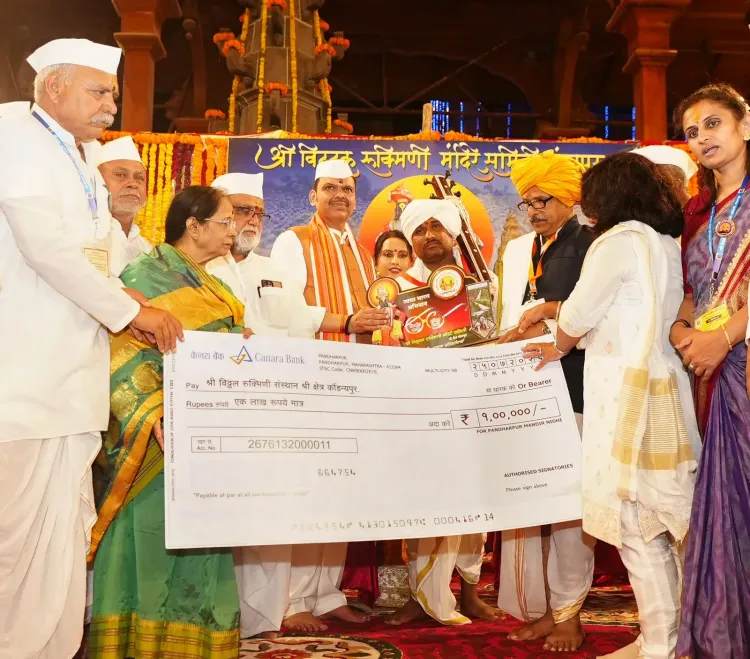
First prize (₹1 lakh) : Shri Vitthal Rukmini Mandir Sansthan, Shrikshetra Kaundanyapur.
Second prize (₹75,000) : Warkari Dharmasankirtan Seva Pratishthan, Jalna.
Third prize (₹50,000) : Shri Gorhekar Sanstha, Alandi.
The award recognises Dindi groups that uphold the centuries-old Wari foot-pilgrimage tradition while conducting social awareness campaigns.
Senior ministers Girish Mahajan , Jaykumar Gore , and Akash Phundkar were present at the ceremony.
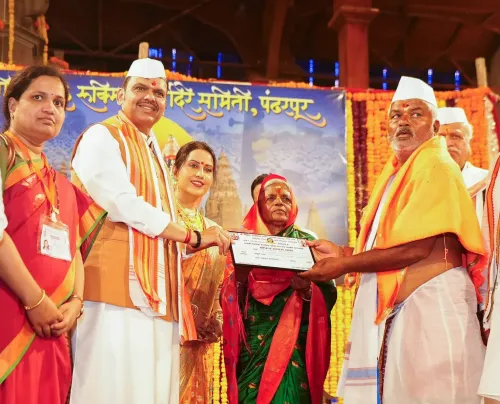
The Chief Minister's Office of Maharashtra announced on Saturday, 25 July 2026 that Chief Minister Devendra Fadnavis presented the 'Shri Vitthal Nirmal Dindi Puraskar 2026' at the sacred pilgrimage town of Pandharpur on the occasion of Devshayani Ashadhi Ekadashi, honouring Dindi groups that carry forward the centuries-old Wari foot-pilgrimage tradition while spreading social awareness.
Context
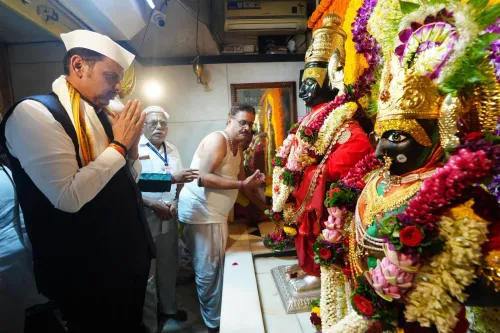
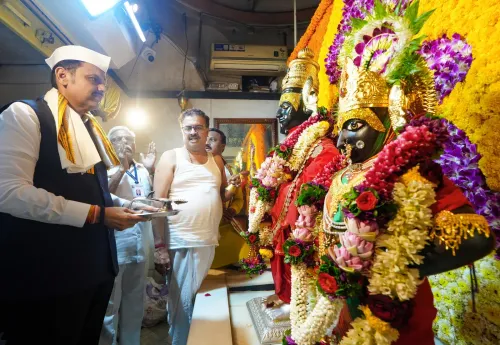
The awards were conferred during the Ashadhi Ekadashi gathering at Shrikshetra Pandharpur, the spiritual epicentre of the Warkari sect and home to the revered Vitthal-Rukmini temple. Ashadhi Ekadashi, which falls on the eleventh day of the bright fortnight of the Hindu month of Ashadha, marks the start of Chaturmas and draws lakhs of pilgrims from across Maharashtra and beyond on the annual Wari march to Pandharpur.
The Dindi processions — devotional marching groups that sing abhangas and carry palanquins of saints — are the living spine of the Wari tradition. The 'Shri Vitthal Nirmal Dindi Puraskar' (Shri Vitthal Clean Dindi Award) recognises those groups that combine this ancient pilgrimage practice with active campaigns on social issues and public education.
Award Results
The first prize of a cheque worth ₹1 lakh and a citation was awarded to Shri Vitthal Rukmini Mandir Sansthan, Shrikshetra Kaundanyapur. The second prize of ₹75,000 went to Warkari Dharmasankirtan Seva Pratishthan, Jalna, while the third prize of ₹50,000 was presented to Shri Gorhekar Sanstha, Alandi.
Each winning organisation received both a cash cheque and an sanmanchinha (honour symbol). Alandi, the third-prize winner's base, is itself a major Warkari pilgrimage town associated with the saint-poet Dnyaneshwar, underlining the geographic spread of participating institutions across Maharashtra.
Policy Backdrop
Successive Maharashtra governments have institutionalised support for the Pandharpur Wari through logistics, security, sanitation, and now formal recognition programmes. The 'Nirmal Dindi' (Clean Dindi) award framework reflects the state's effort to incentivise Dindi groups to maintain cleanliness and carry social messaging — such as health awareness, environmental protection, and community harmony — alongside their devotional march.
Chief Minister Devendra Fadnavis, who has previously participated in state cultural and religious ceremonies, presided over the function. Senior ministers present included Girish Mahajan, Jaykumar Gore, and Akash Phundkar, alongside MLA Samadhan Avtade and Gahininath Maharaj Ausekar, co-chairperson of the Shri Vitthal Rukmini Mandir Samiti.
Stakeholders and Impact
The Warkari community, estimated to number in the crores across Maharashtra, views state recognition of Dindi groups as an affirmation of a living cultural tradition that dates back several centuries to the Bhakti movement saints — including Sant Dnyaneshwar, Sant Tukaram, and others. Temple trusts and Dindi organisations compete and are evaluated on criteria that blend spiritual conduct with social responsibility.
The prize money, while modest, carries significant symbolic weight for volunteer-run religious organisations that fund their participation through community donations. Recognition at the state level also helps winning groups attract larger followings and institutional support for subsequent Wari cycles.
What's Next
With the 2026 award cycle concluded, attention will turn to whether the state announces an expanded prize pool or new award categories for the next Ashadhi Ekadashi cycle. The government is also expected to review crowd management and amenity arrangements for the Kartiki Ekadashi Wari later in the year, which draws a comparably large gathering to Pandharpur. The institutionalisation of the Nirmal Dindi award signals that state engagement with the Warkari tradition is likely to deepen in the years ahead.
Point of View
The administration is effectively co-opting a grassroots devotional network as a vehicle for public policy communication. This fits a broader pattern across Indian states of using pilgrimage infrastructure and religious gatherings as soft-power platforms. The geographic spread of winners — from Kaundanyapur to Jalna to Alandi — also signals an intent to distribute state recognition beyond a single region, reinforcing the government's pan-Maharashtra cultural outreach.
NationPress
25 Jul 2026
Frequently Asked Questions
Who won the Shri Vitthal Nirmal Dindi Puraskar 2026 first prize?
Shri Vitthal Rukmini Mandir Sansthan, Shrikshetra Kaundanyapur won the first prize of ₹1 lakh and a citation at the 2026 edition of the award.
What is the Shri Vitthal Nirmal Dindi Puraskar?
It is a Maharashtra state award presented on Ashadhi Ekadashi at Pandharpur that honours Dindi (devotional procession) groups which uphold the Wari pilgrimage tradition while actively spreading social awareness and public education messages.
What is Ashadhi Ekadashi and why is it significant?
Ashadhi Ekadashi falls on the eleventh day of the bright fortnight of the Hindu month of Ashadha. It marks the beginning of Chaturmas and is the principal occasion for the Pandharpur Wari pilgrimage, drawing lakhs of Warkari devotees to the Vitthal-Rukmini temple.
How much prize money did the second and third place winners receive?
Warkari Dharmasankirtan Seva Pratishthan, Jalna received ₹75,000 for second place, and Shri Gorhekar Sanstha, Alandi received ₹50,000 for third place, along with citations.
Which ministers attended the Pandharpur Dindi award ceremony in 2026?
Ministers Girish Mahajan, Jaykumar Gore, and Akash Phundkar attended, along with MLA Samadhan Avtade and Gahininath Maharaj Ausekar, co-chairperson of the Shri Vitthal Rukmini Mandir Samiti.