Trump warns China over Panama Canal: 'We're not going to let that happen'
Synopsis
At a presidential library dedication in North Dakota, Trump declared China is trying to seize control of the Panama Canal — a waterway the US built, then handed over in 1999. He offered no new policy, but the rhetoric signals Washington's intent to contest any expansion of Chinese influence over one of the world's most critical shipping chokepoints.
Key Takeaways
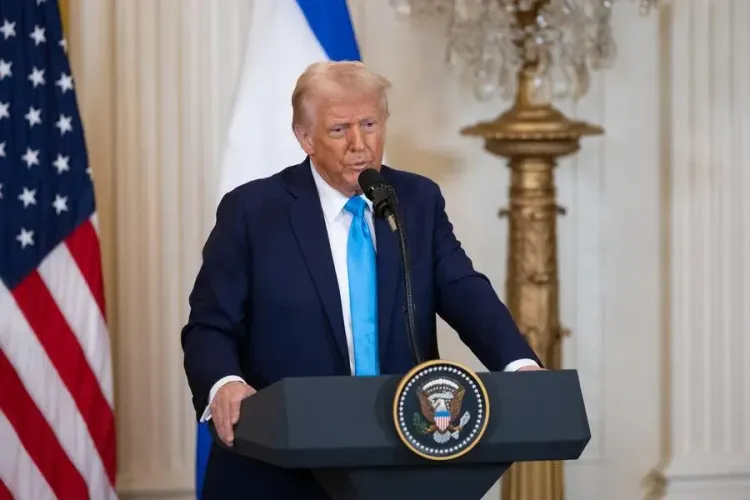
President Donald Trump declared on Wednesday that China is attempting to take over the Panama Canal and the US will not allow it.
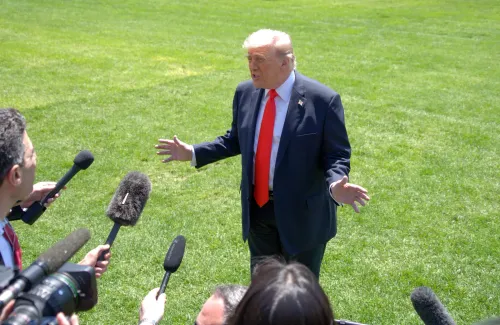
Remarks were made at the Theodore Roosevelt Presidential Library in Medora, North Dakota .
Trump called the 1999 handover of the canal to Panama a historic mistake, saying 'We gave it away.' He claimed Panama raised ship transit fees multiple times after assuming control, though no independent verification was offered.
The 82-km canal handles roughly 5% of global maritime trade and is operated by the Panama Canal Authority .
Trump announced no new policy or action regarding the canal.
US President Donald Trump on Wednesday renewed his sharp criticism of the 1999 transfer of the Panama Canal to Panama, asserting that China is attempting to gain greater influence over the strategically vital waterway and vowing that Washington would not permit it. Trump made no announcement of new policy or action concerning the canal.
What Trump Said
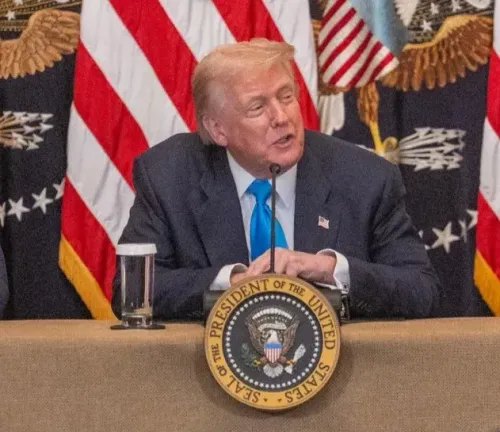
Speaking at the dedication of the Theodore Roosevelt Presidential Library in Medora, North Dakota, Trump invoked the legacy of former President Theodore Roosevelt — who oversaw construction of the canal — to frame his remarks. 'And now China is trying to take over the Panama Canal, and we're not going to let that happen,' Trump said.
He also repeated a longstanding grievance about the transfer of control, calling it a historic error. 'We gave it away,' he said. 'It was the most expensive thing we ever built, and it was also the most profitable thing we ever built.'
Claims on Transit Fees
Trump further claimed that Panama sharply raised transit fees following the handover. 'The first thing they did... they raised the prices for the ships by four times, and they didn't lose one ship. And then they raised it again twice, and they didn't lose one ship,' he said. These claims were not independently verified in the remarks.
Background: How the Canal Changed Hands
The Panama Canal was constructed by the United States in the early 20th century under President Roosevelt. Under treaties signed in 1977, the US gradually transferred operational control to Panama, completing the handover on 31 December 1999. The canal is today administered by the Panama Canal Authority, an autonomous agency of the Panamanian government.
The 82-km waterway connects the Atlantic and Pacific oceans and handles approximately 5% of global maritime trade, making it one of the world's busiest and most strategically significant shipping corridors.
Why It Matters for India and Global Trade
For India, disruptions to canal traffic or shifts in transit pricing carry direct consequences for freight rates and supply chains. The canal is a critical node for Indian exporters and importers reliant on transoceanic shipping routes. This comes amid broader US-China geopolitical friction that has increasingly drawn in third-party trade infrastructure around the world.
Notably, Trump's remarks stopped short of outlining any concrete diplomatic or military steps, suggesting the comments were primarily rhetorical — reinforcing a position he has held since before his return to the White House.
Point of View
And the Panama Canal Authority operates as an autonomous Panamanian body. What the remarks do signal is that Washington intends to treat Chinese commercial presence near critical maritime infrastructure as a national security issue — a framing with real consequences for how the US engages Panama diplomatically. For India, the subtext matters: any US pressure campaign on canal access or fees could ripple through freight markets that Indian trade depends on.
NationPress
1 Oct 2026
Frequently Asked Questions
What did Trump say about the Panama Canal and China?
Trump said China is trying to take over the Panama Canal and that the United States will not allow it. He made the remarks on Wednesday at the Theodore Roosevelt Presidential Library in Medora, North Dakota, without announcing any new policy or action.
Who controls the Panama Canal today?
The Panama Canal is operated by the Panama Canal Authority, an autonomous agency of the Panamanian government. The United States completed the transfer of control to Panama on 31 December 1999, under treaties signed in 1977.
Why does Trump oppose the Panama Canal handover?
Trump has long argued that transferring the canal to Panama was a mistake, calling it 'the most expensive and most profitable thing' the US ever built. He claims Panama subsequently raised transit fees sharply, though his remarks included no independent verification of those figures.
How does the Panama Canal affect India?
The Panama Canal handles about 5% of global maritime trade and is a key route for Indian exporters and importers. Any disruption to canal traffic or changes in transit pricing can affect freight rates and supply chains linked to India's transoceanic trade.
Did Trump announce any action against China over the Panama Canal?
No. Trump did not announce any new diplomatic, economic, or military measures regarding the Panama Canal. The remarks were characterised as rhetorical, reiterating a position he has held for some time.