Trump splits MMR vaccine with no evidence, signs childhood vaccine order
Synopsis
Trump signed an executive order splitting the MMR vaccine and dropping universal hepatitis B, flu, and COVID-19 recommendations — while openly admitting he has no direct evidence the combined shot is dangerous. With 28 states already departing from CDC guidance, the order risks accelerating a fragmentation of US public health policy at a moment when measles cases are rising.
Key Takeaways
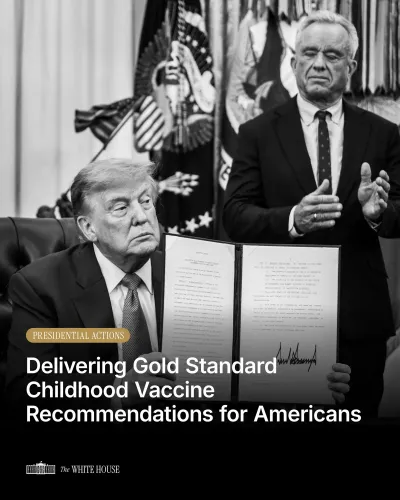
President Trump signed an executive order on 11 August overhauling childhood vaccination recommendations in the United States.
The order mandates separate measles, mumps and rubella shots once individual products are domestically available, replacing the standard combined MMR dose.
Trump acknowledged he had no direct evidence that administering the MMR vaccine together was harmful.
Universal vaccination recommendations for hepatitis B , influenza , and COVID-19 have been dropped under the new framework.
NIH has issued 13 research awards on autism, with 5 examining vaccines as a potential factor.
28 states had already stopped following CDC recommendations since January 2026 , according to White House officials.
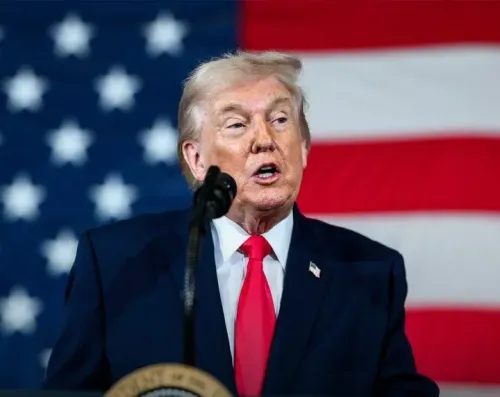
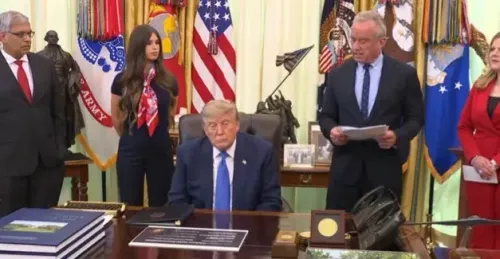
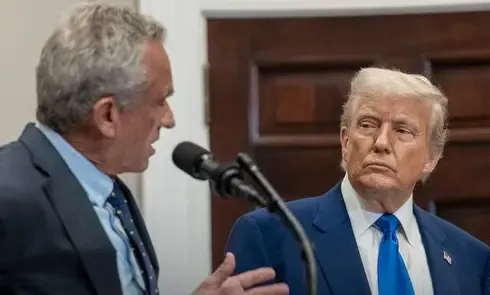
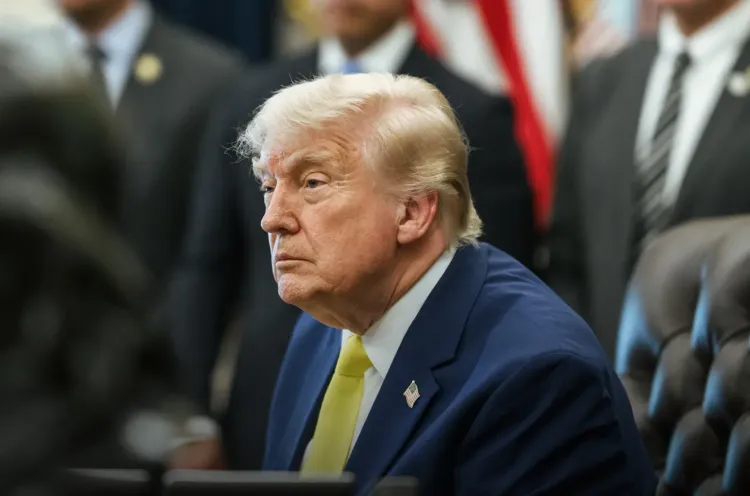
US President Donald Trump on 11 August signed an executive order overhauling childhood vaccination recommendations, defending his push to separate the combined measles, mumps and rubella (MMR) vaccine — even while conceding he had no direct evidence that administering the three shots together was harmful.
What the Executive Order Changes
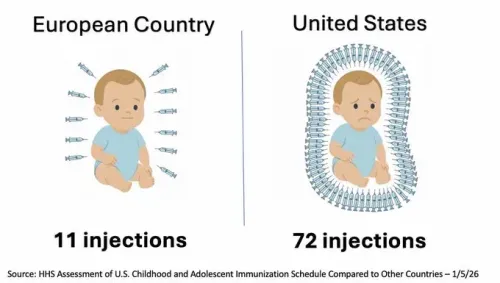
The order formally recognises 11 diseases for which immunisation is recommended for all children. Vaccines for other conditions would be restricted to designated high-risk groups or left to shared decision-making between parents and clinicians. Critically, universal recommendations for hepatitis B, influenza, and COVID-19 vaccines have been dropped under the new framework.
The policy calls for separate measles, mumps and rubella shots once individual products become domestically available, rather than the standard combined MMR dose.
Trump's Own Words: 'No' Direct Evidence
Asked directly whether evidence existed to support his characterisation of the combined MMR vaccine as potentially lethal, Trump replied: 'No.'
'What I've heard is that there are some people that say it is that way and I say, well, let's say there's a five percent chance of it, let's split it up,' he said. Trump also claimed that combining vaccines 'can be explosive,' while acknowledging he had heard individually administered shots were safe.
He further recommended spacing childhood immunisations across multiple medical visits rather than administering several vaccines in a single appointment, saying he had followed that approach with his own children. 'I took my children for five different vaccinations,' Trump said. 'I took them through five different visits to the doctor. Essentially, they get 20 percent each and I had no problem.'
Trump predicted the change would 'have a huge impact on autism,' though no peer-reviewed evidence supports a link between the MMR vaccine and autism — a claim that has been extensively studied and repeatedly rejected by the scientific community.
What the Government Said
Health and Human Services Secretary Robert F. Kennedy Jr. said federal agencies had launched studies comparing health outcomes in vaccinated versus unvaccinated children. Kennedy said researchers were also examining aluminium adjuvants, the timing of the hepatitis B vaccine administered during pregnancy, and outcomes ranging from allergies to autoimmune disease, autism, and other neurodevelopmental disorders.
Kennedy said the National Institutes of Health (NIH) had issued 13 research awards examining autism prevalence, causes, treatments, and services, with five of those projects including vaccines among potential factors examined.
NIH Director Jay Bhattacharya called autism 'a very complicated condition' and cautioned that definitive answers would take time. 'It's not going to be a simple answer,' Bhattacharya said. 'Science takes time.' He added that the measles vaccine remained important, particularly in responding to outbreaks, but opposed excluding children from school over differing parental vaccination decisions.
Impact on Families and States
When asked whether additional medical visits would result in higher co-payments for families, Trump promised assistance but announced no specific financial programme. 'We're going to be working with them, and we're going to work with the families, and we're going to make sure everything works out cost wise very well,' he said.
The order advises states to review their school immunisation rules. White House domestic policy official Heidi Overton said 28 states had stopped following CDC recommendations since January 2026 and were developing their own vaccination policies.
What Comes Next
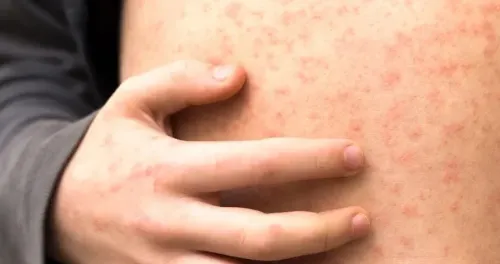
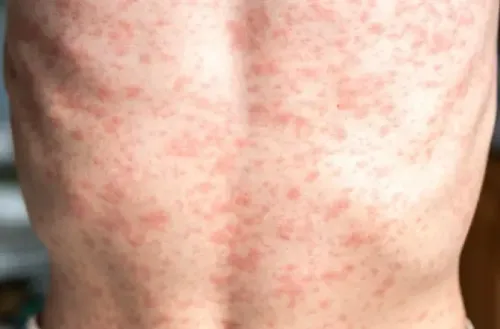
The policy shift arrives amid an ongoing national debate over vaccine mandates and parental choice, and comes as public health officials have warned of rising measles cases in parts of the United States. With nearly three dozen states already diverging from CDC guidance, the executive order could further fragment the country's immunisation landscape. The NIH-funded autism studies are expected to report findings over the coming years, though scientists have cautioned that establishing causality in such research is a lengthy process.
Point of View
And the original study that seeded the claim was retracted and its author struck off the medical register. What makes this order consequential beyond US borders is the downstream effect on vaccine hesitancy globally: presidential endorsement of evidence-free caution travels fast on social media and will almost certainly surface in Indian anti-vaccine discourse. The fragmentation of US state-level immunisation policy — 28 states already off-CDC as of January 2026 — suggests the damage to herd immunity thresholds may precede any NIH findings by years.
NationPress
11 Aug 2026
Frequently Asked Questions
What did Trump's childhood vaccine executive order change?
The executive order, signed on 11 August, formally recommends separating the combined MMR vaccine into individual shots and drops universal recommendations for hepatitis B, influenza, and COVID-19 vaccines. Vaccines for diseases outside the 11 recognised conditions would be limited to high-risk groups or decided jointly by parents and clinicians.
Does evidence support splitting the MMR vaccine?
No — and Trump himself acknowledged this when asked directly, replying 'No' to whether evidence existed for his claim that the combined MMR shot could be dangerous. The scientific consensus, supported by decades of global research, holds that the combined MMR vaccine is safe and effective.
What is the link between the MMR vaccine and autism?
There is no scientifically established link between the MMR vaccine and autism. The original 1998 study that suggested a connection was retracted, and its author lost his medical licence. Numerous large-scale studies since have found no causal relationship.
What studies is the US government launching on vaccine safety?
Health and Human Services Secretary Robert F. Kennedy Jr. said federal agencies are comparing health outcomes in vaccinated versus unvaccinated children and examining aluminium adjuvants and hepatitis B vaccine timing. NIH has issued 13 research awards on autism, with five including vaccines as a potential factor.
How will the new vaccine policy affect US states and school rules?
The executive order advises states to review their school immunisation requirements. According to White House official Heidi Overton, 28 states had already stopped following CDC recommendations since January 2026 and are developing their own vaccination policies, potentially widening disparities in immunisation coverage across the country.